At a glance
- The plan: Adults need muscle-strengthening activity on 2 or more days each week.
- What’s new: Systematic reviews examine load, sets, frequency, and failure versus non-failure training.
- This week: Work major muscle groups including legs, hips, back, abdomen, chest, shoulders, and arms.
What is a good beginner strength training workout when you just want a clear place to start? It is a repeatable routine that covers the major muscle groups, fits into your week, and leaves room to learn each movement without making every session a test. For most beginners, the useful starting point is not a complicated split routine. It is a short, full-body practice you can return to on a regular schedule.
For this plan, “resistance training,” “weight training,” and “strength training” all point to the same practical task: moving against some form of resistance to work the major muscle groups. The resistance can come from bodyweight, a resistance band, a backpack, or another household item you can hold steadily. The rule is repetition over perfection. Start with a version you can control, then change only one small thing at a time.
What a beginner strength workout needs

The CDC adult activity guidance says adults need muscle-strengthening activity on 2 or more days a week, working all major muscle groups: legs, hips, back, abdomen, chest, shoulders, and arms. That gives this routine its structure.
Plan 2 or more days in your week to do the same short sequence. On each planned day, choose one exercise from every line below. The first move named is the default, and the move after the dash is the substitute. If the default does not suit your space, your comfort, or the equipment you have, switch right away instead of skipping that movement.
- Chair sit-to-stand — substitute: bodyweight squat.
- Wall push-up — substitute: counter push-up.
- Backpack hip hinge — substitute: glute bridge.
- Supported backpack row — substitute: resistance-band row.
- Standing overhead press with a household item — substitute: wall slide.
- Dead bug — substitute: standing knee lift.
How to run each session
- Pick one move from each line.
- Set up slowly and check your footing.
- Move at a controlled pace from start to finish.
- Swap to the substitute if a move feels wrong.
- Stop the set before your form gets rushed.
- Note which versions felt steady.
If the setup feels awkward, make it easier: use the substitute, use less resistance, or shorten the range of motion. A good beginner workout is one you can repeat with attention.
4-Week Plan
| Week | Schedule | Workout focus | Simple progression |
|---|---|---|---|
| Week 1 | Do the routine on 2 or more days. | Learn the default exercise and its substitute for every line. | Choose the easiest version that feels controlled. |
| Week 2 | Repeat on 2 or more days. | Use the same sequence and make your setup more consistent. | Keep the version that lets you move steadily. |
| Week 3 | Repeat on 2 or more days. | Keep the same major-muscle-group sequence. | Choose a harder variation only where control stays steady. |
| Week 4 | Repeat on 2 or more days. | Review which movements fit your routine and space. | Keep the versions you can repeat, and use substitutes where needed. |
This plan builds gradually on purpose. Week 1 is about getting familiar with the moves, not proving anything. Week 2 is about keeping the appointment with yourself. Week 3 lets you make a movement harder, but only once the earlier version feels reliable. Week 4 is a review week: keep what works, swap what does not, and stay on the schedule rather than chasing a dramatic reset.
How to progress without chasing perfection
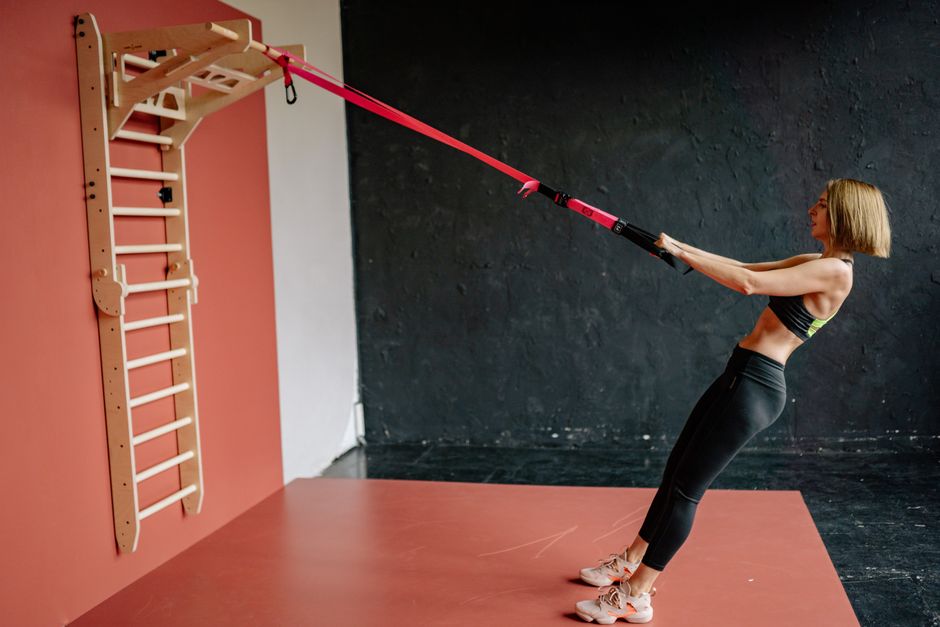
When people ask how to start resistance training for beginners, the big question is often whether every workout needs to feel hard. It does not. The practical goal here is consistency and deliberate movement. Use the same basic exercise menu long enough to see what feels stable and what needs a substitute.
Progress can be small. You might move from a wall push-up to a counter push-up, pick a different household item for the press, or use the default move after starting with its substitute. Change one element, then repeat it on later training days. If the new version makes you rush or feel uncertain, go back to the earlier one. That is adjustment, not failure.
Training to muscular failure is not part of this plan. A systematic review and meta-analysis looked specifically at resistance training taken to repetition failure versus non-failure, which is useful context if you’re wondering how hard a set needs to feel. Your job right now is simpler: practice the movement, keep the schedule, and stop treating a hard session as the only kind that counts.
What the research can and cannot answer
| What the research supports | What it does not show |
|---|---|
| CDC guidance calls for muscle-strengthening activity on 2 or more days each week that works all major muscle groups. | It does not prescribe one required exercise list, piece of equipment, or home setup. |
| Systematic reviews examine how load, sets, and frequency relate to strength and hypertrophy in healthy adults. | They do not provide personal medical clearance or replace an individual assessment of pain, injury, or movement limits. |
| A systematic review and meta-analysis examines training to failure versus non-failure. | That question does not require a beginner to make failure the goal of every workout. |
Research context for this routine
The routine follows the broad direction of the Physical Activity Guidelines for Americans and the CDC’s major-muscle-group guidance. It does not try to turn a research paper into a rigid household workout.
On training variables, Currier and colleagues’ systematic review and Bayesian network meta-analysis examined combinations of load, sets, and frequency in healthy adults. PMID: 37414459. It’s a useful reminder that a strength routine has several adjustable parts, so a beginner does not need to change all of them at once.
Grgic and colleagues’ systematic review and meta-analysis examined resistance training to repetition failure versus non-failure. PMID: 33497853. The takeaway for this plan is practical: use a manageable variation, repeat it, and save harder changes for a later week.
Schoenfeld and colleagues’ systematic review and meta-analysis compared low-load and high-load resistance-training protocols. In the included trials, all sets were taken to momentary muscular failure. I’d read it as background, not a home prescription. This plan keeps resistance flexible and does not ask you to train to failure.
Who should check with a clinician first
Check with a clinician before starting or changing this routine if you have a medical condition, a recent injury, symptoms during activity that worry you, or activity limits a clinician has already set. Stop if a movement causes pain or feels unsafe, and only use the listed substitute if it is comfortable.
FAQ
What is resistance training for beginners?
For a beginner, resistance training is a planned set of movements done against some form of resistance. In this routine, that can mean bodyweight, a resistance band, a backpack, or a household item. What matters is that each session covers the major muscle groups named in CDC guidance and happens on 2 or more days of the week.
What is weight training for beginners if I do not have weights?
You can start without dumbbells or a barbell. Use the bodyweight options first, then add a band, backpack, or household item if it fits the movement. Every exercise has a substitute, so a missing piece of equipment does not end the session.
How do I start weight training for beginners without overdoing it?
Follow Week 1 as written: pick a controlled version of each movement and do the routine on 2 or more days. Keep the same sequence before you make anything harder. If a movement does not fit, use its substitute. Showing up consistently comes first, and making the moves harder comes later.
Do I need a different workout every week?
No. This plan repeats the same exercise menu on purpose. What changes each week is your focus: learn, repeat, adjust, then review. Keeping the same movements makes it easier to notice whether a setup is getting more comfortable or whether the substitute fits you better.
A good beginner strength training workout is not the most elaborate one. It is the routine you can come back to, adapt when you need to, and build into a regular week.
Related on Longview Desk
Not medical advice: This routine is general exercise information, not a personalized program. Start gradually, stop if you feel chest pain, dizziness, or unusual shortness of breath, and check with your doctor or another qualified clinician first if you have a health condition or an injury, or are pregnant.
This article was written by the site’s author with the assistance of AI tools, and reviewed before publication.