Author: Mara Linden

  • Steps Per Day for 80 Year Old Adults: A Gentle Start

    At a glance

    • The plan: Build a walking routine toward the CDC guideline of at least 150 minutes of moderate-intensity activity a week.
    • What’s new: A systematic review and dose-response meta-analysis in The Lancet Public Health examines daily steps and health outcomes in adults.
    • This week: Pick a walk that feels manageable and repeat it.

    How many steps per day make sense at 80 if a long walk feels like too much? “Steps per day for 80 year old” is a common search, but the guideline and study records behind this piece do not hand you a single age-specific number. Start with a manageable walk, repeat it, and let time and effort—not a step-count deadline—shape the routine. The CDC adult activity guideline calls for at least 150 minutes of moderate-intensity physical activity a week; brisk walking is its example.

    That weekly figure gives you a direction, not a test you must pass before a walk counts. The CDC illustrates it as 30 minutes a day, 5 days a week. If that feels like too much right now, use the 4-week plan below to build a habit first. Repetition over perfection.

    Start With a Route You Can Repeat

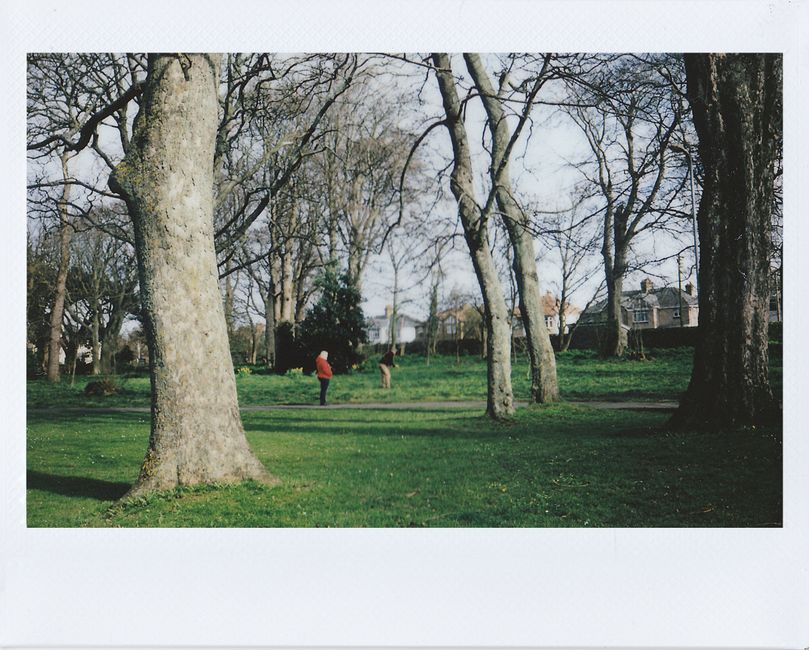
    Older adult walking along a sidewalk
    Photo by Nicola Barts on Pexels
    1. Pick a route that makes turning back simple: a familiar sidewalk, a hallway, or another clear walking space.
    2. Decide where you will start and where you can stop.
    3. Walk at an effort that feels manageable today.
    4. Ask afterward: would this outing feel reasonable to do again?

    That last answer is more useful for planning the next walk than comparing your count with somebody else’s.

    If you use a phone or watch to count steps, treat the reading as a description of your day, not a passing grade. Compare your own walks with each other and skip the universal number. If counting makes the outing feel like a chore, leave the count aside and simply note whether you walked. A routine has to fit ordinary days, including the days you choose a shorter route.

    The phrase “steps per day to not be sedentary” sounds as though there must be a precise dividing line. The CDC page used here does not draw that line in steps; its guidance is expressed in weekly minutes of moderate-intensity activity. A step count can help you notice a pattern, but it cannot tell you by itself whether a walk met that moderate-intensity description.

    4-Week Plan

    Use the weeks as stages, not deadlines. Stay with a stage as long as it still takes effort to make it routine. Each row includes a substitute move for days when the planned walk is not the right choice. A substitute keeps the movement appointment; it is not presented as equal to a brisk walk or to a step count.

    Week Walking step Substitute move What to notice
    Week 1 Choose a comfortable route. Walk it on days that work for you. Leave room to turn back. March gently while seated. Can you repeat the outing without dreading the next one?
    Week 2 Repeat the same route. Keep the start simple. Do not stretch every outing. Walk an indoor hallway instead of going outside. Which part of your day makes movement easiest to remember?
    Week 3 Add walking time if the route feels manageable. Otherwise, repeat Week 2. Keep the earlier route and add seated marching afterward. Does the added time still feel manageable?
    Week 4 Review your week. Keep the route you can repeat. Compare your walking with the CDC weekly guideline. March gently while seated, then review the week anyway. What routine can you comfortably carry into next week?

    The progression is deliberately simple: establish a route, repeat it, add time only if it feels manageable, and review the week. The CDC guideline stays the reference point for moderate activity, while your starting point decides what you do next.

    Build a repeatable walking weekFlow diagram: Start: find a comfortable route → Next: repeat the route → Then: add walking time if comfortable → Last: review the weekly routine. Note: CDC guideline: 150 minutes of moderate activity per weekStart: find a comfortable routeNext: repeat the routeThen: add walking time if comfortableLast: review the weekly routineCDC guideline: 150 minutes of moderateactivity per week
    Diagram: Build a repeatable walking week. Drawn from the official sources linked in this article; it adds no new data.

    On a day when the route feels easy, resist the urge to make a large jump just because you can. Ask whether the next walk will still be approachable. This plan sets no daily step increase and no required pace, because the guideline used here gives neither as an age-specific instruction.

    What Step Research Can—and Cannot—Tell You
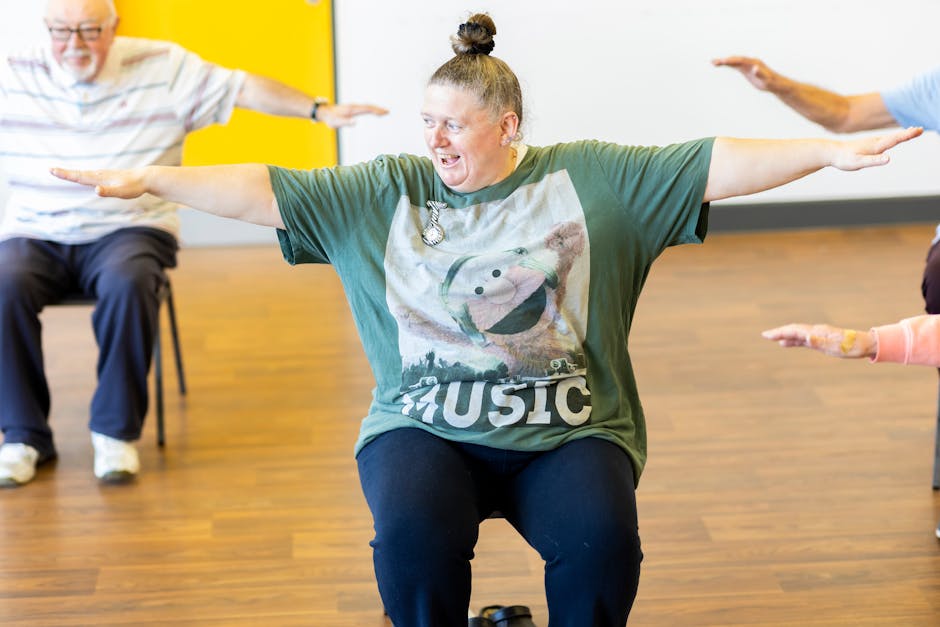
    Older adult moving while seated in a chair
    Photo by Centre for Ageing Better on Pexels

    Step counts are worth studying. Ding and colleagues published a systematic review and dose-response meta-analysis of daily steps and health outcomes in adults (PMID: 40713949). Paluch and colleagues pooled 15 international cohorts in a meta-analysis of daily steps and all-cause mortality (PMID: 35247352). Both are useful context. Neither is a personal prescription for an 80-year-old reader.

    Banach and colleagues also examined the association between daily step count and all-cause and cardiovascular mortality in a meta-analysis (PMID: 37555441). The word “association” matters. These studies ask how counts and outcomes relate; they do not prove that assigning yourself a particular number will produce a particular result.

    The research is widening, too. A systematic review and meta-analysis of daily step count and depression in adults (PMID: 39680407) notes that earlier evidence syntheses supported a protective role of daily steps for cardiovascular disease and all-cause mortality, and argues that step-based recommendations should cover additional health outcomes.

    Put the Evidence Beside the Limits

    What the research supports What it does not show
    Systematic reviews and meta-analyses examine relationships between daily steps and health outcomes in adults. A required steps-per-day target for every 80-year-old.
    Meta-analyses examine associations between step counts and all-cause and cardiovascular mortality. That choosing a specific count secures a health outcome for an individual.
    The CDC gives adults a weekly moderate-intensity guideline and names brisk walking as an example. That every counted step is moderate-intensity activity, or that the guideline sets a daily step minimum.

    This is why the plan focuses on a repeatable action instead of a number to chase. Research makes daily steps an interesting measure. The CDC gives a weekly activity reference. Your route connects the two without pretending they are interchangeable.

    Who should check with a clinician first

    Check with a clinician before starting or increasing activity if you have concerns about whether walking is appropriate for you, symptoms during activity, or a condition that affects your ability to walk safely. Ask for guidance suited to your circumstances rather than using a general step count as a personal medical target.

    Make the Routine Fit Real Days

    Keep the decision small. Set out on the familiar route instead of renegotiating a new distance every time. Turn back when you need to. A walk that ends earlier than planned still tells you something useful about what fits today.

    At the end of each week, review the pattern rather than judging a single day:

    • Which days made starting feel straightforward?
    • Was the route convenient?
    • Did adding time make the plan harder to repeat?

    Keep what worked and simplify what did not. The aim is to make next week possible, not to build a perfect streak.

    FAQ

    Is there a recommended number of steps per day for an 80-year-old?

    The CDC guideline linked above does not give an age-specific daily step number. It recommends at least 150 minutes of moderate-intensity activity a week for adults, with brisk walking as an example. The step-count research examines health associations; it does not turn a daily count into a requirement for everyone aged 80.

    Do you need to reach a step count to not be sedentary?

    The CDC guidance used here does not provide a steps-per-day cutoff for that question. Instead of treating a device number as a verdict, begin with movement you can repeat and look at your activity across the week. Do not assume every step has the same intensity.

    What if brisk walking is too much right now?

    Start with a comfortable route instead of forcing a brisk pace. Repeat it before considering more time. If walking does not fit on a particular day, use a substitute move from the plan, such as gentle seated marching. If you are unsure what activity is appropriate, check with a clinician before increasing it.

    Should you increase your steps every week?

    No weekly step increase is prescribed in the CDC guidance or in this plan. Week 3 suggests adding walking time only if the existing route feels manageable; repeating the earlier week is also an option. Tie the choice to what you can repeat, not to pressure from a device.

    Related on Longview Desk


    Not medical advice: This routine is general exercise information, not a personalized program. Start gradually, stop if you feel chest pain, dizziness, or unusual shortness of breath, and check with your doctor or another qualified clinician first if you have a health condition or an injury, or are pregnant.

    This article was written by the site’s author with the assistance of AI tools, and reviewed before publication.


  • What Protein Intake Is Too Much? Start With Context

    At a glance

    • The plan: Pair a repeatable resistance-training routine with the Physical Activity Guidelines for Americans.
    • What’s new: Research reviews examine protein supplementation alongside resistance training, not a universal upper limit.
    • This week: Choose a resistance move and consult the Dietary Guidelines for Americans for nutrition guidance.

    Could your usual protein intake be too much if you’re just starting to lift? The short answer to “what protein intake is too much”: the research covered here does not establish a single amount that is too much for everyone. Your health circumstances matter, especially if you have kidney disease. The cited reviews ask whether protein supplements affect outcomes during resistance training; they do not set a safe upper limit for every reader. For a personal intake target, start with the Dietary Guidelines for Americans, which points to Dietary Reference Intakes set by the National Academies, and ask a clinician or registered dietitian when your health calls for individual advice.

    What does “too much protein” mean?

    Person preparing for a resistance exercise session at home
    Photo by Yan Krukau on Pexels

    It depends on the question. Are you asking whether extra protein will help you build muscle? Whether your current intake fits general nutrition guidance? Or whether a medical condition changes what is appropriate for you? Those questions need different evidence. A supplement study in people doing resistance training cannot, by itself, answer whether a particular intake is safe for someone with kidney disease.

    Resist the urge to turn a gym discussion into a personal prescription. The Dietary Guidelines for Americans identifies Dietary Reference Intakes as reference values set by the National Academies and notes a USDA resource for calculating calorie and nutrient values. That is a more relevant starting point for “what is recommended protein intake” than a supplement result pulled out of context. If you need a limit because of a diagnosis, get a limit tailored to you.

    What the protein studies actually ask

    Does protein intake really matter when you lift? It is relevant to training outcomes, but the studies here focus on supplementation—not every way people eat. A systematic review, meta-analysis, and meta-regression by Morton and colleagues (PMID: 28698222) set out to determine whether dietary protein supplementation augments resistance-training gains in muscle mass and strength in healthy adults. Note the population and the question: “healthy adults” is not shorthand for every reader, and studying supplementation is not the same as determining a medical upper limit.

    A network meta-analysis by Zhou and colleagues (PMID: 38039960) examined timing and types of protein supplements in adults undergoing resistance training. Its authors describe precise supplementation strategies as still lacking and timing and type as debated. Neither the existence of a supplement study nor a debate about timing tells you that you need a supplement.

    Other reviews concern older adults diagnosed with sarcopenia. The review by Li and colleagues (PMID: 38350303) looked at whey-enriched supplements with or without resistance training in that population. The review by Cuyul-Vásquez and colleagues (PMID: 37571361) examined whey supplementation during resistance training in older people with sarcopenia. Those are specific clinical contexts, not general instructions to add whey or raise protein intake.

    Keep the evidence in its lane

    What the research supports What it does not show
    Reviews examine protein supplementation and resistance-training outcomes in healthy adults. A universal protein intake that is “too much,” or a personal limit for someone with kidney disease.
    A network meta-analysis examines supplement timing and type during resistance training. That every lifter needs a supplement or a precise timing rule.
    Reviews examine whey supplementation in older adults diagnosed with sarcopenia. That findings for this group apply unchanged to all older adults.

    Use that distinction when you read a headline about muscle. “How much protein intake to build muscle?” sounds like a request for a number, but these sources investigate supplement questions in defined groups. They do not supply a personal number for you. Separate your nutrition question from your exercise plan, then seek individual guidance if your circumstances require it.

    4-Week Plan

    Everyday protein foods arranged on a kitchen counter
    Photo by Yaroslav Shuraev on Pexels

    Build the exercise habit without treating it as a test of perfect protein intake. The Physical Activity Guidelines for Americans is the U.S. starting point for activity guidance. This plan is a simple way to practice a resistance routine, not a claim that a particular schedule or move will produce a particular result. Choose movements you can perform comfortably. Keep the effort manageable. Repeat what fits your week.

    Week Resistance routine Substitute move Protein question to address
    Week 1 Practice a chair sit-to-stand. Move with control; stop if it hurts. Try a supported partial stand instead. Note whether you need general guidance or advice for a medical condition.
    Week 2 Repeat your chair sit-to-stand practice. Add a wall push-up if it suits you. Use a counter push-up instead of the wall push-up. Check the Dietary Guidelines for Americans as a starting point for reference values.
    Week 3 Keep the moves you can repeat. Try a supported calf raise. Try a seated heel raise instead. Ask whether a supplement question is being mistaken for an intake-limit question.
    Week 4 Repeat the routine that fits. Review which moves feel comfortable and sustainable. Return to supported partial stands if another move does not suit you. Bring personal intake questions to a clinician or registered dietitian when needed.

    Read the table as a progression in familiarity, not a demand to make every session harder. Keep a comfortable move in the routine rather than forcing a new one. If a listed exercise is uncomfortable, use its substitute or pause and ask for guidance. That is repetition over perfection. The nutrition prompt runs alongside the movement plan; it is not an instruction to change your protein intake each week.

    Weekly progression of the resistance routineFlow diagram: Start with a chair sit-to-stand → Add a wall push-up if it suits you → Try a supported calf raise → Repeat the routine that fits and review. Note: Use the Physical Activity Guidelines for Americans for activity guidance.Start with a chair sit-to-standAdd a wall push-up if it suits youTry a supported calf raiseRepeat the routine that fits and reviewUse the Physical Activity Guidelines forAmericans for activity guidance.
    Diagram: Weekly progression of the resistance routine. Drawn from the official sources linked in this article; it adds no new data.

    Make the routine easy to repeat

    Pick a time that already works in your day. Clear space for the move. Use a stable support when the table calls for it, and practice without rushing. If the routine feels like too much, return to a move you can do comfortably. If you miss a session, resume when you can.

    Keep the exercise and food decisions separate. You can follow activity guidance without guessing at a supplement dose, and you can ask about protein intake without committing to a particular exercise. If your main concern is an existing condition, settle the intake question with your care team first.

    Who should check with a clinician first

    If you have kidney disease—including stage 4 chronic kidney disease—or have been told to follow a medically tailored diet, ask your treating clinician or registered dietitian about protein intake before changing it. Also check before starting this resistance routine if a medical condition, injury, or symptoms make exercise decisions uncertain. The supplement reviews cited here do not provide an individual prescription for those situations.

    FAQ

    What is recommended protein intake?

    For a general starting point, use the Dietary Guidelines for Americans and the Dietary Reference Intakes it identifies. The reviews discussed here do not provide a single recommended amount for every reader. Age, activity, and medical circumstances are reasons to ask a qualified professional for guidance that fits you.

    What is protein intake for athletes?

    “Athlete” covers many training situations, so it is not a personal intake prescription. The cited reviews examine protein supplementation in people doing resistance training, including healthy adults, and ask about outcomes such as muscle mass and strength. They are useful context for a supplement question. They do not tell every athlete what intake is appropriate or establish that a supplement is necessary.

    What about protein intake for CKD stage 4?

    Do not use a muscle-building article to set it. Stage 4 chronic kidney disease is a reason to seek individualized advice from your treating clinician or registered dietitian before changing protein intake. The studies discussed here were framed around resistance training or diagnosed sarcopenia; they do not supply a stage-specific intake instruction.

    How much protein intake to build muscle?

    These reviews do not give you a personal amount. The Morton review addresses supplementation alongside resistance training in healthy adults; the Zhou analysis examines supplement timing and type during training. For a practical start, make resistance exercise repeatable, consult the official nutrition guidance for reference values, and get tailored advice if you need a specific target.

    The answer to “what protein intake is too much” is not a universal gym number. Identify why you are asking, use nutrition guidance for reference values, and get clinical advice when a condition changes the question. Meanwhile, choose a resistance move you can return to. Keep it comfortable. Repeat.

    Related on Longview Desk


    Not medical advice: This routine is general exercise information, not a personalized program. Start gradually, stop if you feel chest pain, dizziness, or unusual shortness of breath, and check with your doctor or another qualified clinician first if you have a health condition or an injury, or are pregnant.

    This article was written by the site’s author with the assistance of AI tools, and reviewed before publication.

  • Thai Walking for Exercise: No Set Method, Just a Routine

    At a glance

    • The plan: Build a repeatable walking routine toward the CDC’s brisk-walking guideline.
    • What’s new: The research reviewed here does not define “Thai walking” as a distinct exercise method.
    • This week: Start with a manageable walk and repeat it on the days you can.

    Is “Thai walking” a special workout, or can a regular walk count? The sources reviewed for this article do not define “Thai walking” as a distinct exercise method. That means there is no supported Thai-specific pace, sequence, or benefit to prescribe. If you searched “what is thai walking for exercise,” the practical answer is to set the label aside and start with walking you can repeat. The CDC’s adult activity guidance names brisk walking as an example of moderate-intensity aerobic activity.

    You do not need a novel name to make a walking routine useful. Pick a route that fits an ordinary day, decide when you can return to it, and let repetition lead. The plan below is a suggested way to organize that practice—not a researched “Thai walking” protocol or a promise of a particular result.

    What kind of exercise is walking?

    Person walking along a neighborhood sidewalk
    Photo by Michal Dziekonski on Pexels

    If you are asking what walking exercise is considered, the answer depends on the walk described. The CDC identifies brisk walking as moderate-intensity aerobic activity. A light walk is not automatically the same thing. Keep that distinction when reading a study or setting a goal: “walking” can describe different activities, and a study of one type does not establish the effects of every other type.

    For adults, the CDC guideline gives 150 minutes of moderate-intensity aerobic activity each week, illustrated as 30 minutes a day on 5 days. It also says some physical activity is better than none. Treat the weekly figure as a guideline to work toward, not a reason to discard a shorter walk when that is what your day allows.

    How long to walk for exercise? If you are using brisk walking to pursue the CDC’s weekly guideline, its 30-minute, 5-day example gives you a clear reference. If that does not fit today, take a walk you can manage and come back to it. The CDC page does not provide a universal minimum walk length or a special duration for “Thai walking,” so resist turning either into a rule.

    4-Week Plan

    Use this progression to move from a manageable start toward the CDC example. The week-by-week increases are planning suggestions, not durations tested in the cited reviews. Choose a comfortable starting duration, keep the walk repeatable, and add time only when doing so fits your circumstances. On any day the planned walk does not fit, use the shorter substitute rather than calling the week a failure.

    Week Walking focus Do this Substitute move
    Week 1 Find a repeatable start. Choose a manageable walk and days you can reasonably return to it. Keep the route simple. Take a shorter walk on the same route when the full outing does not fit.
    Week 2 Repeat before adding. Return to the walk on your chosen days. If it feels manageable, extend a walk modestly. Walk for less time instead of skipping movement entirely.
    Week 3 Build walking time. Add time where your schedule allows. If brisk walking suits you, use the CDC’s moderate-intensity example as your reference. Choose a shorter or lighter walk when a brisk outing is not workable.
    Week 4 Look toward the weekly guideline. See whether the CDC example of 30 minutes on 5 days fits. Keep a repeatable schedule even if it does not. Take a manageable walk and return to the plan on another available day.

    Read the weeks as a direction, not a test. The useful question at the end of each week is whether the next walk has a place in your schedule. If it does not, shorten it or choose another available day. That preserves the plan’s central habit without claiming that this particular progression has been studied. The CDC’s “some is better than none” guidance leaves room for an imperfect week.

    A repeatable walking progressionFlow diagram: Start with a manageable walk → Repeat on available days → Add walking time as comfortable → Work toward the CDC weekly guideline. Note: Add time only when it fits; repeating a week is fine.Start with a manageable walkRepeat on available daysAdd walking time as comfortableWork toward the CDC weekly guidelineAdd time only when it fits; repeating a weekis fine.
    Diagram: A repeatable walking progression. Drawn from the official sources linked in this article; it adds no new data.

    What the evidence can—and cannot—tell you

    Walking shoes on a paved park path
    Photo by Tobi on Pexels

    Walking research is worth reading with its exact activity and population in view. A systematic review and meta-analysis by Buffey and colleagues (PMID: 35147898) examined interruptions to prolonged sitting using standing and light-intensity walking, with cardiometabolic biomarkers as its focus. That is relevant to questions about breaking up sitting. It is not a test of the four-week plan above, nor does it define “Thai walking.”

    Another systematic review and meta-analysis by Cugusi and colleagues (PMID: 29067853) examined randomized trials of Nordic walking among individuals with cardiovascular disease. Nordic walking is the activity named in that review; the citation does not establish that an undefined “Thai walking” method works the same way. It also cannot tell an individual reader with a heart condition which walking plan is appropriate.

    Use the research citations for the narrower questions their authors investigated. For the general adult target, use the CDC page or the federal Physical Activity Guidelines for Americans. Neither requires a branded-sounding walking style before you begin.

    Keep the research claims in their lanes

    What the research supports What it does not show
    The Buffey review examines standing and light-intensity walking breaks during prolonged sitting, with cardiometabolic biomarkers as its focus. It does not test this four-week routine or establish a “Thai walking” technique.
    The Cugusi review examines Nordic walking in randomized trials involving individuals with cardiovascular disease. It does not establish that every walking style is interchangeable or prescribe a plan for someone with AFib.

    Make the next walk easy to repeat

    Start with the decision you can control: when and where to walk. Choose a route that works on a normal day, not only on a day with extra time. Set out for a manageable duration. Then decide whether to repeat that walk as it is or make a modest change the next time.

    Keep the activity label honest, too. If you are walking lightly, call it a light walk. If you are using brisk walking as your moderate-intensity activity, compare your weekly schedule with the CDC guidance. There is no need to force every outing into the same category. A shorter, lighter substitute can still be your way of choosing some activity over none.

    Finally, leave room for a pause in progression. The table asks you to add walking time if that is manageable; it does not require an increase each week. Repeating Week 1 or Week 2 is more faithful to the plan’s purpose than pushing ahead merely because the calendar changed. Repetition over perfection makes the routine easier to revisit.

    Who should check with a clinician first

    If you are considering walking for exercise with plantar fasciitis, walking for exercise after rotator cuff surgery, or walking for exercise with AFib, ask a clinician familiar with your situation about appropriate activity and limits before using this progression. The sources here do not give condition-specific walking instructions or clearance criteria. A general adult guideline and reviews of other walking questions cannot replace advice tailored to your condition or recovery.

    FAQ

    What is Thai walking for exercise?

    The sources reviewed here do not identify a defined exercise method by that name. If the phrase led you here, start with what the sources do support: walking is an activity you can build into a routine, and the CDC names brisk walking as moderate-intensity aerobic activity. Avoid assuming that an unfamiliar label comes with a validated sequence, pace, or special outcome.

    How long should a walk be to count as exercise?

    The CDC gives 150 minutes a week of moderate-intensity aerobic activity, with 30 minutes a day on 5 days as an example. It also says some physical activity is better than none. A manageable shorter walk can be a starting point; the guidance does not set a Thai-walking-specific duration.

    Can a light walk take the place of brisk walking?

    Do not treat the terms as identical. The CDC names brisk walking as an example of moderate-intensity activity. The Buffey review addresses light-intensity walking breaks during prolonged sitting, which is a different research question. If a light walk is what fits today, take it without presenting it as the same activity examined by every walking source.

    Does this plan apply after surgery or with a health condition?

    Not automatically. This is a general walking progression, not a rehabilitation program or condition-specific prescription. For plantar fasciitis, recovery after rotator cuff surgery, or AFib, check with a clinician familiar with your circumstances before adopting or advancing it. Keep the substitute walk as a scheduling option, not as a substitute for individualized medical guidance.

    Related on Longview Desk


    Not medical advice: This routine is general exercise information, not a personalized program. Start gradually, stop if you feel chest pain, dizziness, or unusual shortness of breath, and check with your doctor or another qualified clinician first if you have a health condition or an injury, or are pregnant.

    This article was written by the site’s author with the assistance of AI tools, and reviewed before publication.

  • How Many Steps per Day Is Healthy? No Single Number

    At a glance

    • The plan: Build toward the CDC guideline of at least 150 minutes of moderate-intensity activity a week.
    • What’s new: A systematic review and dose-response meta-analysis examines daily steps and health outcomes in adults.
    • This week: Sit less and make room for brisk walking, a moderate-intensity activity.

    Could a step count you can repeat on ordinary days be enough to start a healthy walking habit? If you are asking how many steps per day is healthy, start there: with a count you can repeat. Then use the CDC adult activity guideline as your broader reference: at least 150 minutes of moderate-intensity activity a week. Brisk walking is the CDC’s example. A step count describes how much you moved. It does not, by itself, tell you how many of those minutes were brisk.

    That distinction makes the question easier to use. Skip the pass-or-fail round number. Notice what your ordinary days look like. Pick a walking opportunity that fits them. Repeat it before adding more. The CDC also notes that adults who sit less and do any amount of moderate- or vigorous-intensity activity gain some health benefits. A modest start is not a failed start.

    What the step research actually measures

    Person walking on a neighborhood sidewalk
    Photo by Robert So on Pexels

    Step counts give researchers and readers a shared way to describe daily movement. A systematic review and dose-response meta-analysis of daily steps and health outcomes in adults (PMID: 40713949) looks at the question across outcomes. A separate meta-analysis of 15 international cohorts on daily steps and all-cause mortality (PMID: 35247352) examines one specific outcome.

    Read these as reasons to take daily movement seriously, not as instructions to chase a universal cutoff. The mortality paper pools cohorts. An association between a count and an outcome is not proof that setting your device to that count will produce a particular result. Your practical task is simpler: use steps to notice a pattern, and make room for activity you can keep doing.

    Another systematic review and meta-analysis of daily step count and depression in adults (PMID: 39680407) looks at a mental-health outcome. It adds context, but it does not make a step count a treatment plan. If mental-health symptoms are affecting daily life, a walking routine should not replace appropriate care.

    Where step counts and the CDC guideline meet

    The CDC states its adult guideline in time and intensity: at least 150 minutes of moderate-intensity activity a week, such as brisk walking. Its illustration is 30 minutes a day, 5 days a week. That is a weekly framework, not a required number of steps per day. A walk may add to your step total, your moderate-intensity minutes, or both, depending on how you walk.

    Keep the two measures separate when you plan. Steps around the house still describe movement. A brisk walk also counts as time at moderate intensity. The CDC says going beyond 150 minutes a week of moderate-intensity activity brings even more health benefits. That does not mean every day must be longer than the last.

    What a daily count can and cannot tell you

    What the research supports What it does not show
    Systematic reviews and meta-analyses examine associations between daily steps and adult health outcomes. A single step count that every adult must reach each day.
    A meta-analysis examines daily steps and all-cause mortality across international cohorts. That changing a device goal produces a particular health result for you.
    A systematic review and meta-analysis examines objectively measured daily step counts and depression. That a step target replaces assessment or care for depression.
    The CDC names brisk walking as a moderate-intensity activity within its weekly guideline. That every step you record was taken at moderate intensity.

    Use the left column to see why walking deserves space in your routine. Use the right column to resist overreading a daily number. What matters is whether your routine lets you sit less, walk regularly, and move toward a workable week of activity.

    4-Week Plan

    Walking shoes beside a doorway
    Photo by Eren Li on Pexels

    Treat this as a practice schedule, not a test of a particular step total. Choose walking periods that suit your current routine. If the suggested walk does not suit the day, use the substitute move in the same row. Keep the CDC’s weekly guideline in view, but do not assume every recorded step counts toward it.

    Week Walking practice Substitute move What to notice
    Week 1 Notice when walking already fits. Take a comfortable walk on a day that allows it. Walk indoors along a comfortable route. Look for a repeatable opening in your day, not a perfect count.
    Week 2 Keep that opening. Try brisk walking for a portion that feels suitable. Walk in place at a comfortable pace. Tell ordinary movement apart from time spent walking briskly.
    Week 3 Repeat your walking practice on the days that fit your schedule. Take a comfortable indoor walk when an outdoor walk does not fit. Check whether the pattern is easier to repeat than a rigid daily goal.
    Week 4 Keep the pattern you can sustain. Compare it with the CDC weekly guideline. Walk in place when your usual route is unavailable. Review the week’s moderate-intensity activity as well as your daily steps.

    The progression is deliberately plain: notice, add brisk walking where it suits, repeat, and keep what works. You do not have to make each walk longer to move through the weeks. If your schedule changes, return to the walking opportunity that is available. Do not abandon the routine.

    Weekly progression of the walking planFlow diagram: Start: notice your routine → Next: add brisk walking → Then: repeat walking days → Last: keep a workable pattern. Note: Use the CDC weekly activity guideline alongside your step count.Start: notice your routineNext: add brisk walkingThen: repeat walking daysLast: keep a workable patternUse the CDC weekly activity guidelinealongside your step count.
    Diagram: Weekly progression of the walking plan. Drawn from the official sources linked in this article; it adds no new data.

    Adjust without declaring the plan broken. Swap an outdoor route for an indoor route. Walk in place when leaving home is inconvenient. These are stand-ins for the walking practice, not claims that every movement delivers the same amount of moderate-intensity activity. Pay attention to how you feel, and choose a pace and setting that suit you.

    Who should check with a clinician first

    If you have a health condition, symptoms with activity, or uncertainty about what level of walking is appropriate for you, check with a clinician before increasing your activity. Ask for guidance that fits your situation instead of relying on a general step goal.

    Make a step goal useful, not absolute

    If you already see a daily count on a phone or watch, treat it as a description of that day. Compare it with your own usual pattern, not someone else’s headline number. On a crowded day, an ordinary walk may be the realistic choice. On a day with more room, brisk walking may fit. Build a pattern you can return to. Do not try to make up for every day that looks different.

    If you do not count steps, follow the CDC’s time-based guidance instead. Think about the week, not a daily total. Brisk walking is one way to do moderate-intensity activity, and the CDC’s example spreads it across 5 days. Use that example to picture a week, not as a rule that cancels other workable schedules.

    Ask what you want the number to do. If it reminds you to break up a day of sitting, keep it. If it pressures you to rush through walking that does not suit you, set it aside and focus on the habit.

    FAQ

    Is there a required number of steps per day for adults?

    The CDC guideline gives adults a weekly amount of moderate-intensity activity, not a mandatory daily step count. The step meta-analyses cited above study associations with health outcomes. Start with your own routine, then look for a way to make walking more regular.

    Do all my steps count toward 150 minutes a week?

    Not automatically. Steps count movement, while the CDC’s 150-minute guideline refers to moderate-intensity activity. Brisk walking is the CDC’s example. An easy stroll is still a way to move and sit less, but do not label every recorded step as a brisk-walking minute.

    What if my step count changes a lot from day to day?

    Look at the pattern of your week, and do not treat a quieter day as a failure. Keep a walking opportunity you can repeat. Use an indoor walk or walking in place when your usual route does not fit. The plan asks you to notice what is workable. It does not require identical days.

    Should I walk briskly every time I walk?

    No. The CDC names brisk walking as an example of moderate-intensity activity. It also says that sitting less and doing any amount of moderate- or vigorous-intensity activity brings some health benefits. Comfortable walking has a place in your routine. When brisk walking suits you, count it within the larger weekly picture.

    So, how many steps per day is healthy? The CDC guideline does not set a daily count to clear. Let your steps show you where walking fits, and let the CDC’s weekly guidance shape how you think about brisk activity. Repeat the workable walk. Adjust the route or pace when needed. A routine you can return to beats a perfect-looking day.

    Related on Longview Desk


    Not medical advice: This routine is general exercise information, not a personalized program. Start gradually, stop if you feel chest pain, dizziness, or unusual shortness of breath, and check with your doctor or another qualified clinician first if you have a health condition or an injury, or are pregnant.

    This article was written by the site’s author with the assistance of AI tools, and reviewed before publication.

  • What Is Protein Intake for Men? A 4-Week Routine

    At a glance

    • The plan: Use the U.S. Dietary Reference Intakes as a starting point and pair food planning with regular physical activity.
    • What’s new: Reviews examine protein supplementation alongside resistance training, not a universal intake for men.
    • This week: Check the official reference-value resource and begin a repeatable movement routine.

    What is protein intake for men if you want a useful starting point, not a gym slogan? Start with the Dietary Reference Intakes, or DRIs: reference values set by the National Academies. The Dietary Guidelines for Americans site points to a USDA resource for working out calorie and nutrient values. That is a better place to establish a personal reference than a single number presented as right for every man.

    Protein intake means the protein you consume in food and beverages. The practical question is how that intake compares with a reference value that fits your circumstances. The sources behind this article do not give a daily gram target, a body-weight formula, or an upper limit for men. So this piece will not invent one. Use the official resource for the number, and keep the exercise question separate: resistance-training research explains what has been studied, but it does not set a universal menu.

    What is recommended protein intake?

    Man preparing a meal at a kitchen counter
    Photo by Deni Priyo on Pexels

    “Recommended” needs a source and a person attached to it. The DRIs are the reference-value framework identified by the Dietary Guidelines for Americans site, which also points to USDA’s DRI resource for health professionals. If you are asking what your own protein intake is supposed to be, begin there. Don’t borrow an athlete’s eating pattern or a supplement label’s serving size.

    Make the question specific before changing meals. Are you asking for a general dietary reference, or whether extra protein changes the response to resistance training? Those are different questions. A reference value frames nutrition planning. A training study tests an intervention under particular conditions. Neither one means every man needs a protein supplement.

    Does protein intake really matter for strength training?

    It matters enough to study carefully, but the evidence needs a narrow reading. A systematic review and meta-analysis of healthy adults doing resistance exercise training asked whether dietary protein supplementation augments training-related gains in muscle mass and strength (PMID: 28698222). Its question concerns supplementation alongside training. It is not a test of how much protein every man should eat, and it does not turn a supplement into a requirement.

    A separate network meta-analysis of adults undergoing resistance training examined the timing and types of protein supplementation in relation to muscle mass, strength, and physical performance (PMID: 38039960). Its authors note that precise supplementation strategies are still lacking. That is a good reason not to treat a timing rule or product type as the answer to a general intake question.

    Keep the groups straight, too. Reviews of whey supplementation and resistance training in older people with sarcopenia (PMID: 37571361) and of whey-enriched supplements in older adults diagnosed with sarcopenia (PMID: 38350303) address a specific clinical population. They inform questions about that population. They are not advice for every healthy man.

    What the evidence can—and cannot—answer

    Keep this comparison close when an intake claim sounds unusually certain. The research describes study questions and populations. The U.S. dietary source identifies where reference values come from. Neither supplies a personalized prescription.

    What the research supports What it does not show
    A systematic review examines protein supplementation together with resistance training in healthy adults. It does not, by that question alone, establish a universal daily protein target for men.
    A network meta-analysis examines supplement timing and types in adults who resistance train. It does not make a particular supplement schedule necessary for every reader.
    Reviews examine whey supplementation in older adults with sarcopenia. That population is not interchangeable with all men who want to exercise.
    U.S. dietary information points readers to DRI reference values. The material reviewed here does not give a personal gram target or a “too much” threshold.

    4-Week Plan

    Person practicing a sit-to-stand exercise from a sturdy chair
    Photo by Vitaly Gariev on Pexels

    Use this as a practice schedule, not a protein prescription or a promise of physical results. The Physical Activity Guidelines for Americans are about making regular physical activity part of your routine. The plan below applies that idea; for specific weekly amounts, go to the guidelines themselves. Choose movements you can perform comfortably, and aim for repetition over perfection.

    Week Food-planning step Movement practice
    Week 1 Find the DRI reference-value resource through the Dietary Guidelines site. Write down the question you need it to answer. Practice a chair sit-to-stand; substitute a supported partial stand. Practice a wall push-up; substitute a standing wall press with less elbow bend.
    Week 2 Look at meals you already repeat. Note where protein-containing foods fit, without assigning an unsupported target. Repeat the comfortable moves. Add a standing hip hinge; substitute a small backward hip shift while holding a stable support.
    Week 3 Revisit the reference-value question before deciding whether any dietary change is needed. Practice controlled versions of your moves. Add a supported step-back; substitute a stationary weight shift while holding a stable support.
    Week 4 Keep the meal pattern practical. Bring unanswered intake questions to a qualified clinician. Repeat the movements that feel manageable. Keep regular physical activity in view rather than chasing a perfect session.

    Read the weeks as a sequence: learn a comfortable version, repeat it, practice control, and keep the routine going. Every exercise has a substitute, so a difficult movement need not end the session. These exercises and this schedule were not tested in the cited protein reviews.

    Build a repeatable routineFlow diagram: Opening week: learn the moves → Next week: repeat the routine → Later week: practice comfortable control → Closing week: keep regular activity in view. Note: Follow the Physical Activity Guidelines for regular activity.Opening week: learn the movesNext week: repeat the routineLater week: practice comfortable controlClosing week: keep regular activity inviewFollow the Physical Activity Guidelines forregular activity.
    Diagram: Build a repeatable routine. Drawn from the official sources linked in this article; it adds no new data.

    How to do each move

    • Chair sit-to-stand: Sit on a stable chair. Rise only as far as you can control. Swap in the supported partial stand if a full rise doesn’t suit you.
    • Wall push-up: Face the wall. Bend your elbows within a comfortable range. Swap in the gentler wall press if the bend bothers you.
    • Standing hip hinge: Move your hips back a short way. Return to standing. Swap in the supported small shift if balance is a concern.
    • Supported step-back: Stay near a stable support. Step back, then return. Swap in the stationary weight shift if stepping doesn’t feel right.

    Stop any movement that causes pain. Discomfort is not a requirement.

    Who should check with a clinician first

    If you have a medical condition that affects diet or exercise, have been told to limit protein, are recovering from illness or injury, or are concerned about pain or balance, ask a clinician for individualized guidance before changing your intake or starting these movements. The research populations described above do not substitute for an assessment of your circumstances.

    FAQ

    What is protein intake for athletes?

    The research cited here addresses adults doing resistance training and asks how supplementation relates to training outcomes. It does not provide a universal athlete-specific number. If your training raises a personal nutrition question, begin with the official DRI resource and seek individualized advice. A supplement study is not a complete eating plan.

    What protein intake is too much?

    The sources used here do not state an upper threshold, so a precise cutoff would be guesswork. “Too much” becomes an individual question when a medical condition or dietary restriction is involved. If you have been advised to limit protein, check with the clinician who knows your situation before increasing it or adding a supplement.

    How can you find your current protein intake?

    First, separate your current intake from your reference value. Your current intake comes from what you actually eat and drink; the DRI framework addresses reference values. The Dietary Guidelines for Americans site points to the USDA resource for nutrient values. Start there, and don’t assume a supplement study supplies your personal answer.

    Do you need a protein supplement to follow this plan?

    No. No supplement is built into this routine. The cited reviews study supplementation in defined training or clinical contexts; they do not establish a requirement for everyone following a beginner routine. Start with what you can answer: which reference applies to you, and which activity can you repeat comfortably? Get the plan working before making it more complicated.

    Related on Longview Desk


    Not medical advice: This routine is general exercise information, not a personalized program. Start gradually, stop if you feel chest pain, dizziness, or unusual shortness of breath, and check with your doctor or another qualified clinician first if you have a health condition or an injury, or are pregnant.

    This article was written by the site’s author with the assistance of AI tools, and reviewed before publication.

  • How Many Minutes for Walking Exercise Each Week?

    At a glance

    • The plan: The CDC recommends at least 150 minutes of moderate-intensity activity each week for adults.
    • What’s new: A review examined short light-intensity walks that interrupt prolonged sitting.
    • This week: Try the CDC’s example of 30 minutes a day on 5 days.

    Could 30 minutes of walking on most weekdays be enough to count as exercise? For the question “how many minutes for walking exercise,” the CDC’s answer is at least 150 minutes a week of moderate-intensity activity for adults; brisk walking is an example. Its familiar schedule is 30 minutes a day, 5 days a week. You do not have to complete the weekly amount in a single outing.

    Think of that number as a weekly activity target, not a test every walk must pass. A shorter walk still counts as physical activity, and the CDC says some activity is better than none. Start with a time you can repeat. Then look at the whole week rather than judging an individual day.

    How long to walk for exercise

    Adult walking briskly along a tree-lined park path in daylight
    Photo by Anastasia Shuraeva on Pexels

    First, decide which question you mean. “How long should this walk be?” has no required single-session answer in the CDC guidance. “How much moderate-intensity activity should an adult get this week?” has a clear answer: at least 150 minutes. The CDC also lists 75 minutes of vigorous-intensity activity, or an equivalent combination of moderate and vigorous activity, as alternatives. If walking is your chosen moderate-intensity activity, brisk walking is the example to keep in view.

    Put walking where it is easiest to repeat: before work, during a break, or after dinner. Choose the days before choosing an ambitious duration. If a planned outing does not happen, move it rather than treating the week as lost. The goal is repetition over perfection.

    Keep the distinction between walking and moderate-intensity walking clear. The CDC names brisk walking as moderate-intensity activity; it does not say every stroll meets that description. A comfortable walk can still be a useful way to add activity, especially when the alternative is staying seated. Just do not silently count every minute at an easy pace toward a brisk-walking schedule.

    4-Week Plan

    Use this as a scheduling progression, not a claim that everyone needs the same starting dose. The earlier weeks help you find a repeatable place for walking. The last week uses the CDC’s 30-minutes-a-day, 5-days-a-week example. Keep a week where it is if the next schedule does not fit yet; the Physical Activity Guidelines for Americans are a reference point, not a reason to rush.

    Week Walking focus Short imperative step Substitute move
    Week 1 Make room for walking. Choose repeatable days. Walk for a manageable stretch. Stand up and move around instead of remaining seated.
    Week 2 Practice the brisk-walking schedule. Repeat your chosen days. Add brisk walking when it fits. Take an easy walk if brisk walking does not fit that day.
    Week 3 Spread activity through the week. Fit walks into available parts of your day. Break up a long sitting period with light-intensity walking.
    Week 4 Aim for the CDC’s weekly example. Plan 30 minutes of brisk walking on 5 days, if appropriate for you. Use shorter bouts across the week when a continuous walk does not fit.

    The progression is about arranging time, not proving that each successive week is medically better. Repeat a workable week as needed. At the end, compare your moderate-intensity minutes with the CDC’s weekly target; do not mistake a missed calendar square for a failed plan.

    Build a repeatable walking weekFlow diagram: Week 1: Find a repeatable time → Week 2: Repeat brisk walks → Week 3: Spread activity across the week → Week 4: Aim for the CDC weekly target. Note: Shorter bouts can fit into the week.Week 1: Find a repeatable timeWeek 2: Repeat brisk walksWeek 3: Spread activity across the weekWeek 4: Aim for the CDC weekly targetShorter bouts can fit into the week.
    Diagram: Build a repeatable walking week. Drawn from the official sources linked in this article; it adds no new data.

    Walking versus other exercise: what counts?

    Close-up of walking shoes mid-stride on a neighborhood sidewalk
    Photo by Jari Lobo on Pexels

    If the question is “walking vs exercise—which is better?”, start by dropping the false choice. Brisk walking is itself an example of moderate-intensity aerobic activity in the CDC guidance. Jogging and running are examples of vigorous-intensity activity. The guideline offers different weekly amounts for moderate and vigorous activity, plus an equivalent combination; it does not declare that walking must beat another form of exercise to be worthwhile.

    Light walking has a different role. A systematic review and meta-analysis of interrupting prolonged sitting with standing and light-intensity walking (PMID: 35147898) examined cardiometabolic health markers. That is a useful reason to keep sitting breaks in the conversation, but its question was not whether those breaks replace the CDC’s moderate-intensity weekly target. Treat a light walk as activity without relabeling it brisk walking.

    Speed research calls for similar care. An updated systematic review of walking speed and mortality (PMID: 34729613) covered studies accounting for 120,838 patients, with follow-ups ranging between 2 and 21 years, and reported a consistent association between walking speed and mortality from all causes. An association does not show that forcing a faster pace will produce a particular outcome for an individual. Use the CDC activity guidance for planning minutes, rather than turning walking speed into a personal score.

    What these sources can—and cannot—answer

    What the research supports What it does not show
    The sitting-break review examines short bouts of standing and light-intensity walking in relation to cardiometabolic markers. It does not establish that light-intensity breaks are interchangeable with 150 minutes of moderate-intensity activity.
    The walking-speed review reports an association between walking speed and mortality. It does not show that walking at a particular pace will lead to a specific health outcome for you.
    A systematic review of electromechanical-assisted walking training after stroke (PMID: 33091160) addresses a rehabilitation setting. It does not set a general walking-minute target for adults planning everyday exercise.

    That separation matters when a headline makes walking sound either magical or pointless. The CDC supplies the practical weekly target. The reviews ask narrower research questions. Keep each source in its lane, and build a schedule you can return to.

    Who should check with a clinician first

    If you have AFib, plantar fasciitis, a history of stroke, or another condition that makes walking plans uncertain, ask a clinician how to adapt activity to your situation before pushing pace or duration. A general weekly target cannot determine what is appropriate for your symptoms or rehabilitation needs.

    FAQ

    Does a walk have to last 30 minutes to count?

    No. The CDC gives 30 minutes a day on 5 days as an example of how to reach 150 weekly minutes of moderate-intensity activity; it also says you do not have to do the weekly amount all at once. If a full outing does not fit, use shorter opportunities for activity. Pay attention to intensity when deciding whether you are following a brisk-walking schedule.

    What is Thai walking for exercise?

    The CDC guideline does not define “Thai walking” as an exercise category, so the name alone cannot tell you its intensity or how its minutes fit a weekly target. If someone uses that label for a routine, ask what the movements and pace actually involve. For a straightforward plan, use the guideline’s named example—brisk walking—rather than assuming an unfamiliar label means the same thing.

    What about walking for exercise with plantar fasciitis?

    The sources here do not give a condition-specific walking duration, footwear rule, or treatment plan for plantar fasciitis. Do not force the table’s final-week schedule through foot pain just to meet a calendar goal. Ask a clinician how to adapt activity, and keep the general CDC target separate from advice tailored to your foot.

    What about walking for exercise with AFib?

    The CDC adult target is general guidance, not an AFib-specific prescription. The research reviews cited here do not test this four-week schedule for people with AFib. Check with a clinician about suitable pace and duration for your circumstances before treating the table as a personal target. A repeatable plan is useful only if it fits the person doing it.

    Start with this week

    The starting question stays simple: where can walking fit this week? Put a walk on the calendar, use brisk walking when that is your intended moderate-intensity activity, and add up the week rather than demanding a perfect day. The CDC’s 150-minute target gives direction; repetition gives the plan somewhere to live.

    Related on Longview Desk


    Not medical advice: This routine is general exercise information, not a personalized program. Start gradually, stop if you feel chest pain, dizziness, or unusual shortness of breath, and check with your doctor or another qualified clinician first if you have a health condition or an injury, or are pregnant.

    This article was written by the site’s author with the assistance of AI tools, and reviewed before publication.

  • Steps Per Day Goal by Age for Men: A Practical Guide

    At a glance

    • The plan: Build toward the CDC’s 150 minutes of moderate-intensity activity each week.
    • What’s new: Adult step-count meta-analyses examine health associations, not a mandatory male target.
    • This week: Start with walking; the CDC says any amount of moderate- or vigorous-intensity activity offers some benefit.

    Do men really need a different daily step goal as they get older? For a “steps per day goal by age male” search, the useful answer is that the sources here do not establish a required daily step count for men at each age. Instead, use your current activity as a starting point and the CDC’s adult activity guidance as the weekly reference: at least 150 minutes of moderate-intensity activity, such as brisk walking. The CDC gives 30 minutes a day on 5 days as an example, not a required schedule.

    A step count can help you notice whether walking fits into your day. It cannot, by itself, tell you whether you completed the CDC’s moderate-intensity minutes. If a daily number helps you show up, choose one you can repeat. Don’t treat a birthday or a missed day as a reason to start over.

    Does age set a daily step target for men?

    Man walking along a neighborhood sidewalk
    Photo by Annushka Ahuja on Pexels

    Not from the research cited here. A meta-analysis of 15 international cohorts (PMID: 35247352), led by Paluch and published in The Lancet Public Health in March 2022, examined daily steps and all-cause mortality. A later systematic review and dose-response meta-analysis (PMID: 40713949), led by Ding and published in the same journal in August 2025, examined daily steps and health outcomes in adults. Those are good reasons to take walking seriously. But neither review, as summarized here, gives a prescribed step target for a man of a particular age.

    The distinction matters when you ask, “How many steps per day is healthy?” A research paper can study associations between step counts and health outcomes without issuing an individual prescription. The CDC guidance speaks in weekly activity minutes and intensity. Use the step count as a personal cue to move. Use the weekly guidance to keep the broader activity goal in view.

    If your day already includes walking, notice when it happens: a walk after a meal, a trip through a building, or a deliberate brisk outing. If walking is scarce, begin with a manageable outing rather than borrowing someone else’s daily number. Repeat the version you can do on an ordinary week.

    4-Week Plan

    Keep this progression flexible. The weeks are a way to practice repetition, not research-backed deadlines or age-specific targets. Walk at a comfortable effort when that is what fits. When brisk walking feels workable, count it toward the CDC’s moderate-intensity guidance. Each row includes a substitute move for a day when the main move does not fit.

    Week Main move Substitute move What to notice
    Week 1 Take a comfortable walk on days that work. Note your usual steps without assigning a target. Walk indoors instead of outdoors. Which part of your day makes walking easiest to repeat?
    Week 2 Repeat the walk. Keep the same convenient time if that helps. Take a comfortable lap through your building instead. Does the walk fit your real schedule?
    Week 3 Add brisk walking when it feels comfortable. Keep a gentler option ready. Take the comfortable walk if brisk walking does not suit the day. Which outings are brisk, and which are simply movement?
    Week 4 Review your week against the CDC’s 150-minute moderate-intensity goal. Keep repeating what fits. Spread brisk walking across different days, as your schedule allows. What routine could you carry into another week?

    The table is deliberately free of a daily step quota. It gives you a consistent activity to practice while leaving room for your starting point. At the end of each week, ask two questions: what does your step count say about consistency, and was any of your walking brisk? Those are related questions, not interchangeable answers.

    Build a repeatable walking weekFlow diagram: Start with a comfortable walk → Repeat the same walk at a convenient time → Add brisk walking when it feels comfortable → Review your week against CDC weekly guidance. Note: Keep a comfortable substitute walk ready for days the main move does not fit.Start with a comfortable walkRepeat the same walk at a convenienttimeAdd brisk walking when it feelscomfortableReview your week against CDC weeklyguidanceKeep a comfortable substitute walk ready fordays the main move does not fit.
    Diagram: Build a repeatable walking week. Drawn from the official sources linked in this article; it adds no new data.

    What the evidence can—and cannot—answer

    Man walking up an indoor staircase
    Photo by TRAVEL BLOG on Pexels

    Several research syntheses investigate step counts and health. Alongside the reviews above, a meta-analysis on steps and all-cause and cardiovascular mortality (PMID: 37555441), published in the European Journal of Preventive Cardiology in December 2023, and a systematic review and meta-analysis on steps and depression in adults (PMID: 39680407), published in JAMA Network Open in December 2024, show the range of questions researchers have examined. Their existence does not turn a step count into a promise about any outcome.

    The depression review is a useful example of scope. Its authors set out to synthesize associations between objectively measured daily step counts and depression in the general adult population. That is a question about patterns across groups of people, not a treatment plan for any single reader.

    What the research supports What it does not show
    Adult step-count research has examined associations with health outcomes, including all-cause and cardiovascular mortality. The research cited here does not establish a required daily step goal for every man of a given age.
    A systematic review has examined objectively measured daily steps and depression in adults. A walking plan is not a promise to prevent or treat depression.
    The CDC recommends at least 150 minutes of moderate-intensity aerobic activity each week for adults; brisk walking is an example. A step total alone does not establish that every step was moderate-intensity activity.

    Make the goal fit your actual week

    Start with a simple question: when can you walk again? Put that walk where it has the fewest obstacles. If an outdoor route is inconvenient, choose the indoor substitute. If a brisk outing is too much for that day, return to a comfortable walk rather than dropping movement altogether.

    Then separate your observations. Your steps per day can show whether walking happened regularly. Your brisk walking helps you track the CDC’s moderate-intensity guidance. The CDC also notes that adults who sit less and do any amount of moderate- or vigorous-intensity activity gain some health benefits. That is room to begin, not a claim that every activity pattern is equivalent.

    If you already reach 150 minutes, the CDC says going beyond 150 minutes a week of moderate-intensity activity, or 75 minutes a week of vigorous-intensity activity or an equivalent combination, brings even more health benefits. You don’t need to chase that in your first month. Keep it in mind as a later option once the walking habit holds.

    Age may change what feels manageable, but this plan does not assume that men of the same age share the same starting point. The CDC offers an age chart for a quick snapshot of recommended weekly activity across age groups, so check it if you want the official breakdown. Keep the routine responsive to your circumstances. If a week is disrupted, return to the walk you can repeat. Repetition over perfection is the rule here.

    Who should check with a clinician first

    If you have a health condition, symptoms during activity, or concerns about whether brisk walking is appropriate for you, check with a clinician before increasing your effort. Ask about a suitable starting point rather than using a general step target as personal medical advice.

    FAQ

    Is there a steps per day goal by age for men?

    The CDC guidance sets an adult goal in weekly moderate-intensity minutes, not a daily step count by male age. The cited step-count reviews study adults and health outcomes; the research cited here does not provide an age-by-age prescription. Start from what you currently do and build a walking routine you can repeat.

    How many steps per day is healthy?

    No single healthy daily number fits every reader based on these sources. If counting steps motivates you, compare your days with your own usual pattern. For the broader activity goal, refer to the CDC’s 150 minutes of moderate-intensity aerobic activity each week. Brisk walking is one way to work toward it.

    Do comfortable walks count if they are not brisk?

    They count as movement and can help you establish a routine. The CDC says sitting less and doing any amount of moderate- or vigorous-intensity activity brings some health benefits. Don’t assume a comfortable walk automatically satisfies the moderate-intensity portion of the weekly guideline; keep those ideas distinct.

    What if your steps vary from day to day?

    Let them vary. The CDC describes a weekly activity goal and offers 30 minutes a day on 5 days as an example. Use the pattern that works for your week, and return to a comfortable walk when your preferred outing does not fit. The aim is a routine you can revisit, not a flawless daily score.

    Related on Longview Desk


    Not medical advice: This routine is general exercise information, not a personalized program. Start gradually, stop if you feel chest pain, dizziness, or unusual shortness of breath, and check with your doctor or another qualified clinician first if you have a health condition or an injury, or are pregnant.

    This article was written by the site’s author with the assistance of AI tools, and reviewed before publication.

  • Protein Intake Longevity Research Review: What It Covers

    At a glance

    • The plan: Build regular physical activity, as the U.S. Physical Activity Guidelines recommend.
    • What’s new: The protein reviews cited here measure muscle outcomes, not lifespan.
    • This week: Start a repeatable resistance-training routine with easy substitutes.

    Can eating more protein help you live longer, or is the research really about keeping your muscles strong? A protein intake longevity research review has to separate those questions. The reviews here examine protein supplements alongside resistance training, or whey supplements in older adults with sarcopenia. They do not establish a protein amount that extends life. Use them to understand the muscle question, then build a routine you can repeat.

    What does the longevity research review actually cover?

    Adult using a chair for support during a squat
    Photo by Mikhail Nilov on Pexels

    Start with the outcome each study measured. Morton and colleagues’ systematic review and meta-analysis of healthy adults (PMID: 28698222) asked whether protein supplementation adds to resistance-training gains in muscle mass and strength. That is a useful training question. It is not a test of whether a particular daily protein intake changes lifespan.

    A different population appears in Li and colleagues’ systematic review and meta-analysis (PMID: 38350303). It examined whey-enriched supplements, with or without resistance training, in older adults diagnosed with sarcopenia. That diagnosis defines the participants, so the findings are not a prescription for every older adult. The review also asks something narrower than “Does protein intake really matter for longevity?”

    Other reviews narrow the lens further. A review of whey supplementation during resistance training in older people with sarcopenia (PMID: 37571361) looked at muscle mass, strength, and physical performance. A network meta-analysis of protein supplement timing and types (PMID: 38039960) focused on adults undergoing resistance training. These are not interchangeable groups or questions, and none of them provides a longevity target for daily protein intake.

    What the evidence can and cannot answer

    What the research supports What it does not show
    Protein supplementation has been reviewed in relation to resistance-training gains in muscle mass and strength among healthy adults. A protein dose that extends lifespan, or a reason to treat supplement findings as longevity findings.
    Whey supplements, with or without resistance training, have been examined in older adults diagnosed with sarcopenia. That findings from people with diagnosed sarcopenia apply unchanged to every older adult.
    Protein timing and supplement types have been studied in adults doing resistance training. That a particular timing strategy is necessary for a beginner’s routine or brings a lifespan benefit.

    Read “protein supplementation” literally. A study of a supplement added to training does not automatically tell you what happens when someone changes their usual meals. A study measuring strength or muscle mass cannot, by itself, answer a question about living longer. Keep the measured outcome attached to the claim.

    How to make the research useful in daily life

    Adult pressing against a wall during a push-up
    Photo by Ketut Subiyanto on Pexels

    Start with the part you can put on your calendar: regular movement. The U.S. Physical Activity Guidelines for Americans describe regular physical activity as a way to improve health and offer help making it part of a routine. The supplement reviews center on resistance training, so a manageable strength practice is a practical way to act on the training side of the question. The schedule below is an example for organizing that practice, not a protocol tested by the cited reviews.

    Pick a comfortable version of each move first. Then repeat it.

    1. Sit and stand. Sit down on a sturdy chair and stand back up. Substitute: hold the chair and do a supported partial squat.
    2. Press. Stand facing a wall and press away from it. Substitute: bring your palms together in front of your chest and press them into each other.
    3. Pull. Stand tall and draw your elbows back. Substitute: rest your arms at your sides and gently squeeze your shoulder blades.
    4. Stay in control. Move at a pace you can manage. Stop any movement that causes pain or feels unsafe.

    A substitute is not a failure or a lesser day. It is how you keep the routine available while you find a comfortable range of motion. Aim for repetition over perfection, not an impressive first session.

    4-Week Plan

    Treat the table as a sequence of decisions, not a test. Keep a move that feels manageable, or choose its substitute. Add regular activity that suits your circumstances, and check the broader recommendations in the U.S. physical activity guidance. The research does not show that this progression changes protein needs or longevity.

    Week Strength practice Simple decision
    Week 1 Try a chair sit-to-stand, wall push-up, and standing elbow pull. Use the supported partial squat, palm press, or shoulder-blade squeeze as substitutes. Notice which versions feel comfortable and controllable.
    Week 2 Repeat the comfortable moves. Keep the same substitutes available. Make room for the routine again instead of trying to perfect it.
    Week 3 Continue the routine. If a move feels awkward, switch to its listed substitute. Favor a comfortable motion over a harder variation.
    Week 4 Repeat the version you can sustain alongside other regular physical activity. Decide what is realistic to keep doing.

    Here is the progression in plain language: learn the moves, repeat them, adjust when needed, and keep the routine workable. You do not have to earn the next week with a harder version. If a substitute remains the best fit, keep it.

    A repeatable strength routineFlow diagram: Week 1: learn comfortable moves → Week 2: repeat the routine → Week 3: adjust a move if needed → Week 4: keep regular physical activity. Note: Follow the plan table and choose comfortable substitutes.Week 1: learn comfortable movesWeek 2: repeat the routineWeek 3: adjust a move if neededWeek 4: keep regular physical activityFollow the plan table and choose comfortablesubstitutes.
    Diagram: A repeatable strength routine. Drawn from the official sources linked in this article; it adds no new data.

    Where does a protein target come from?

    If you came here asking “What is recommended protein intake?”, skip pulling a target from a supplement study. The Dietary Guidelines for Americans site points to Dietary Reference Intakes set by the National Academies and notes that USDA provides a DRI tool for health professionals to calculate calorie and nutrient values. The excerpts behind this article do not give a daily protein figure, an athlete-specific target, or an upper limit. Use the official reference as a starting point and seek individualized advice when your health calls for it.

    Keep the questions separate. Your food intake is a nutrition question; your exercise schedule is a routine question; lifespan is a different research outcome. A muscle-focused review may help frame the first two, but it does not turn either into a longevity promise. You can follow a repeatable strength routine without buying a protein supplement or making supplement timing the centerpiece.

    Who should check with a clinician first

    Check before changing your protein intake or beginning this routine if you have a medical condition that affects your diet or exercise, have been diagnosed with sarcopenia, are recovering from an injury, or have been told to limit activity. Ask which movements and nutrition guidance fit your situation. If a move causes pain or feels unsafe, stop and seek individual guidance rather than pushing through it.

    FAQ

    What is protein intake for men?

    It means the protein a man gets from food and, if used, supplements. The reviews here do not supply a men-only daily target. The official Dietary Guidelines for Americans site points to Dietary Reference Intakes rather than a number lifted from training reviews. Ask for individual guidance if you need a target for your circumstances.

    What is protein intake for athletes?

    Athletes may find the resistance-training reviews interesting, particularly research on supplement timing, types, and training outcomes. But those reviews do not establish a single athlete target. Do not convert a study’s question about timing or type into a universal daily recommendation. Start by naming your actual training and nutrition question.

    What protein intake is too much?

    The sources here do not give an upper-limit figure or define “too much” for an individual. Avoid guessing from a muscle study; those reviews were not designed as tests of a universal safe maximum. If you have a condition affecting your diet or follow medical advice about protein, check with a clinician before making a large change.

    Does protein intake really matter for longevity?

    The reviews cited here do not settle that question. They address supplements, resistance training, and muscle-related outcomes in specific groups. That makes them relevant to training, but it does not show that more protein helps people live longer. A steadier next step: choose activity you can repeat, and look to official nutrition references for intake guidance.

    Related on Longview Desk


    Not medical advice: This routine is general exercise information, not a personalized program. Start gradually, stop if you feel chest pain, dizziness, or unusual shortness of breath, and check with your doctor or another qualified clinician first if you have a health condition or an injury, or are pregnant.

    This article was written by the site’s author with the assistance of AI tools, and reviewed before publication.

  • What Is Japanese Walking for Exercise? A Grounded Start

    At a glance

    • The plan: A flexible walking routine that works toward the CDC’s 150 minutes of moderate-intensity aerobic activity every week.
    • What’s new: The reviews cited here cover sitting breaks, wearable devices, and pedometer programs, not a Japanese walking protocol.
    • This week: Pick a comfortable route and walk it, because some physical activity is better than none.

    Could changing pace on your regular walk make exercise feel more manageable? If you’re asking “what is Japanese walking for exercise,” separate the popular name from a verified routine. The reviews cited in this article do not define or test a specific Japanese walking method, so there is no evidence-backed interval pattern to prescribe here. What the CDC adult activity guidance does identify is brisk walking as moderate-intensity aerobic activity. Start with walking you can repeat. Treat pace changes as optional, not a required formula.

    What the name does and does not tell you

    Adults walking together on a park path
    Photo by Lisa Fotios on Pexels

    “Japanese walking” sounds like a precise set of instructions. The sources behind this article, however, give no definition for the label, no prescribed fast-and-easy intervals, and no comparison of a named Japanese walking routine with ordinary brisk walking. An honest answer leaves those details open rather than filling them in with an appealing schedule.

    For a usable U.S. reference point, the CDC recommends 150 minutes of moderate-intensity aerobic activity every week for adults, giving 30 minutes a day, 5 days a week as an example. It also says some physical activity is better than none. Those are general adult guidelines, not instructions for Japanese walking. The Physical Activity Guidelines for Americans provide the broader federal context.

    That leaves a practical choice: walk at a comfortable pace, or add brisk stretches when that feels right for you. Repetition over perfection is the useful principle. Choose days and a route you can return to rather than trying to execute an unverified pattern exactly.

    What the walking research actually covers

    The relevant reviews examine different walking questions. A systematic review and meta-analysis of standing and light-intensity walking breaks during prolonged sitting (PMID: 35147898) addresses short activity breaks and cardiometabolic health markers. That is a different question from whether alternating paces on an exercise walk follows a particular named method.

    A systematic review and meta-analysis of wearable-device interventions in people with cardiovascular disease (PMID: 37433730) examines feedback intended to increase daily walking activity and physical capacities. It does not establish a pace-switching schedule for the general public. Likewise, a review of pedometer-based walking programs among community-dwelling older adults (PMID: 38872081) concerns a particular group and intervention, not Japanese walking.

    Keep the population and the question attached to each paper. Research involving people with cardiovascular disease or older adults cannot, by itself, answer whether a named walking trend is better for every reader. The CDC guidance is the clearer starting point for a general routine.

    Keep the evidence boundaries in view

    What the research supports What it does not show
    The CDC identifies brisk walking as moderate-intensity aerobic activity and recommends 150 minutes of it every week for adults. The guideline does not define a Japanese walking interval pattern or require pace changes.
    A systematic review examines standing and light-intensity walking breaks during prolonged sitting. That review does not test a named Japanese walking exercise routine.
    Reviews examine wearable-device interventions in cardiovascular patients and pedometer-based programs in community-dwelling older adults. Those populations and interventions do not establish a single walking schedule for everyone.
    A Cochrane review (PMID: 33091160) examines electromechanical-assisted training for walking after stroke. Clinical gait-training devices are not evidence for an everyday walking trend.

    4-Week Plan

    Walking shoes on a paved path
    Photo by Mathias Reding on Pexels

    This is a repeatable planning example, not a Japanese walking protocol and not a dose tested by the cited reviews. The weeks organize choices around the CDC’s guidance. If a week is hard to repeat, keep its simpler version. Use the substitute move whenever the main exercise is not workable.

    Week Walking exercise Substitute move
    Week 1 Pick a comfortable route. Walk on days that fit your schedule. Notice which route makes returning easier. Take a shorter, comfortable walk instead of completing the route.
    Week 2 Repeat your walking days. Keep the pace comfortable if that helps you stay consistent. Break a walk into shorter walks across the day.
    Week 3 Try brisk walking during part of a walk if it feels appropriate. Return to a comfortable pace whenever needed. Keep the entire walk comfortable rather than adding brisk stretches.
    Week 4 Compare your schedule with the CDC’s 150-minute weekly goal, including its example of 30 minutes a day, 5 days a week. Keep a repeatable version. Continue the walking pattern you can manage instead of forcing the example schedule.

    Move through the weeks as a way to organize decisions, not as a test to pass. The later weeks leave the earlier options available: a comfortable walk still counts as doing some activity, while brisk walking is the CDC’s example of moderate-intensity aerobic activity.

    Build a walking routineFlow diagram: Week 1: Find a comfortable route → Week 2: Repeat your walking days → Week 3: Try brisk walking when appropriate → Week 4: Revisit the CDC weekly goal. Note: Some physical activity is better than none.Week 1: Find a comfortable routeWeek 2: Repeat your walking daysWeek 3: Try brisk walking whenappropriateWeek 4: Revisit the CDC weekly goalSome physical activity is better than none.
    Diagram: Build a walking routine. Drawn from the official sources linked in this article; it adds no new data.

    Make each outing easy to start. Decide where to walk before the day gets crowded. Choose the pace that suits that outing. If you miss a planned day, return on another day without making the next walk unusually demanding. If shorter walks suit your schedule, use them to keep showing up. None of the cited research sets a special minimum length for a Japanese walking session.

    How to use pace changes without inventing a rule

    If the appeal of “Japanese walking” is variety, try a simple decision sequence. Begin at a comfortable pace. If brisk walking feels appropriate, use it for a portion of your route. Ease back when you want to. That is an optional way to organize a walk, not a claim about what the label officially means or what an interval study found.

    Skip the pace change when it makes the outing harder to repeat. The plan’s main exercise is walking, and brisk stretches are an option within it. The substitute for a brisk stretch is a comfortable walk. The substitute for a longer outing is a shorter one. Both choices keep the CDC’s central message intact: some physical activity is better than none.

    Be equally careful with the question “what is Thai walking for exercise.” Nothing cited here defines a Thai walking protocol either. If a label comes with exact timing or a promised advantage, look for research that actually tests that named approach. The reviews in this article answer questions about sitting breaks, activity-feedback devices, pedometers, and rehabilitation.

    Who should check with a clinician first

    If you have atrial fibrillation, another cardiovascular condition, a history of stroke, or foot pain that affects walking, ask a clinician what activity and pace are appropriate before adding brisk stretches or increasing your routine. The cited cardiovascular and stroke reviews involve specific patient groups or clinical interventions and do not supply individualized exercise clearance. If walking brings on symptoms or worsens pain, stop the outing and seek advice suited to your situation.

    FAQ

    How long to walk for exercise?

    For adults, the CDC recommends 150 minutes every week of moderate-intensity aerobic activity and offers 30 minutes a day, 5 days a week as an example. Brisk walking is the activity it names. Those figures describe a weekly guideline, not a required session length for Japanese walking. If the example does not fit your routine yet, remember the CDC’s other point: some physical activity is better than none.

    Walking vs exercise: which is better?

    It is not an either-or choice. Brisk walking is a form of moderate-intensity aerobic activity in the CDC guidance. The sources here do not compare every form of exercise with walking or identify a universally better choice. Pick a walking option you can repeat, then use the guideline to see where brisk walking fits.

    What about walking for exercise with plantar fasciitis?

    The cited reviews do not study plantar fasciitis or provide a walking dose for it. Do not use the week labels as a reason to walk through worsening foot pain. Ask a clinician about an appropriate approach if foot pain affects your walking. The plan’s brisk stretches are optional, and its schedule is not a medical prescription.

    What about walking for exercise with AFib?

    The wearable-device review covers people with cardiovascular disease, but it does not give an AFib-specific pace or interval prescription. Check with your clinician about your own activity limits and symptoms before trying brisk stretches. A general CDC weekly goal and a review of a broad cardiovascular population cannot replace guidance for your individual condition.

    The takeaway: “Japanese walking” is not defined by the evidence cited here, so avoid treating a precise interval recipe as settled fact. Choose a walk you can repeat, consider brisk walking when appropriate, and use the CDC guidance as your reference, not as a demand for a perfect week.

    Related on Longview Desk


    Not medical advice: This routine is general exercise information, not a personalized program. Start gradually, stop if you feel chest pain, dizziness, or unusual shortness of breath, and check with your doctor or another qualified clinician first if you have a health condition or an injury, or are pregnant.

    This article was written by the site’s author with the assistance of AI tools, and reviewed before publication.

  • Protein Intake Recommendations: Who Sets the Numbers?

    At a glance

    • The plan: Use the Dietary Reference Intakes set by the National Academies for nutrient reference values and the Physical Activity Guidelines for Americans for activity guidance.
    • What’s new: Recent systematic reviews study protein supplementation alongside resistance training, not a universal daily food target.
    • This week: Pick manageable resistance moves, repeat them, and locate the reference resource for your protein question.

    Do protein intake recommendations change when you start lifting, or can you keep eating the way you already do? The honest answer from this source pack: no single number fits every reader. Dietary Reference Intakes, or DRIs, are nutrient reference values set by the National Academies, and the Dietary Guidelines for Americans site points to a USDA DRI Calculator for Health Professionals that helps calculate calorie and nutrient values for an individual. The research on extra protein asks a narrower question: what happens when people take supplements while resistance training? Settle the reference-value question first, then build a routine you can repeat.

    Who Sets Protein Intake Recommendations?

    Person assembling a meal in a home kitchen
    Photo by Matilda Wormwood on Pexels

    Start with the source. DRI reference values come from the National Academies, and the Dietary Guidelines site identifies the USDA DRI resource for health professionals as the place to work out calorie and nutrient values. That is the reference side of the question. A study of protein supplements during resistance training is a different thing: it tests a particular addition, under particular conditions, in a particular group. Neither tells every reader what to put on a plate tonight. If you need an individual protein amount, work from the DRI resource with a qualified health professional rather than borrowing a number from someone else’s training log.

    Next, name the question you are actually asking. “What is recommended protein intake?” asks for a reference value suited to you. “Would adding protein help with resistance training?” asks about an intervention studied in a group. The questions overlap, but they are not interchangeable. You can begin a repeatable strength routine without treating a supplement study as a meal prescription.

    For the activity side, use the Physical Activity Guidelines for Americans, the flagship U.S. resource on improving health through regular physical activity. Keep the two jobs separate: the activity guideline for movement, the DRI resource for nutrients. That split makes the next step simpler. Pick moves you can practice this week, and ask for individualized nutrition guidance when a general reference does not answer your situation.

    What the Supplement Research Can and Cannot Answer

    A systematic review, meta-analysis and meta-regression of protein supplementation during resistance training in healthy adults (PMID: 28698222), published in the British Journal of Sports Medicine in 2018, set out to determine whether dietary protein supplementation augments training-induced gains in muscle mass and strength. Its subject is the addition of a supplement to resistance exercise, not a daily protein recommendation for every adult.

    Two other reviews look at a different population. A 2024 systematic review and meta-analysis of whey protein supplementation with or without resistance training (PMID: 38350303) pooled randomized controlled trials in older adults diagnosed with sarcopenia under the EWGSOP or AWGS criteria. A 2023 review in Nutrients (PMID: 37571361) asked a similar question about whey protein during resistance exercise training in older people with sarcopenia. That diagnosis matters when you read the headlines. It is a stretch to turn a review of diagnosed patients into a standard target for a healthy beginner.

    Finally, a network meta-analysis of the timing and types of protein supplementation in adults undergoing resistance training (PMID: 38039960) compares supplement strategies for muscle mass, strength, and physical performance. Its authors note that precise supplementation strategies are still lacking. It does not set a DRI, and it does not tell you what to eat at breakfast.

    Keep the boundaries in view

    What the research supports What it does not show
    Systematic reviews have examined protein supplementation alongside resistance training in healthy adults. A supplement review does not establish a daily food target for every adult.
    Meta-analyses have pooled whey protein trials in older adults diagnosed with sarcopenia. Findings in a diagnosed group do not automatically describe healthy beginners.
    A network meta-analysis has compared supplement timing and type during resistance training. That comparison is not a substitute for an individualized DRI reference value, and the authors say precise strategies are still lacking.

    This distinction is useful, not a reason to make eating complicated. If your question is whether you need a precise post-workout supplement schedule, pause before assuming a timing paper answers it for you. If your question is where to find your protein reference value, go back to the DRI resource. Either way, keep your next workout small enough to repeat while you sort out the nutrition side.

    4-Week Plan

    Person rising from a sturdy chair during a strength routine
    Photo by Vitaly Gariev on Pexels

    Treat this as a practice schedule, not a claim that any movement changes your protein requirement. The progression is about making resistance moves familiar. Choose a comfortable version of each move, leave room to adjust, and come back to it the following week. The Physical Activity Guidelines are the reference for activity guidance; this table is simply a practical way to organize your start.

    Week Activity practice Protein question to settle
    Week 1 Try a chair sit-to-stand, a wall push-up, and a standing heel raise. Learn a comfortable version of each. Find out where DRI reference values come from.
    Week 2 Repeat the moves you can do comfortably. Adjust the setup instead of chasing a harder version. Separate a general reference value from a supplement study.
    Week 3 Practice the same routine. Swap a move if its current version does not suit you. Decide whether your question is about everyday intake or a training supplement.
    Week 4 Keep the manageable moves. Choose what you can continue beyond this table. Seek individualized guidance if a general reference does not fit your circumstances.

    Here is the whole progression in a sentence: begin with manageable resistance moves, repeat them, adjust what does not fit, and keep the version you can return to. Your food question can develop alongside the routine; it does not have to be settled by a supplement headline before you move.

    A repeatable strength routineFlow diagram: Begin with manageable moves → Repeat the routine → Adjust what does not fit → Keep the routine going. Note: Pair the activity plan with your own DRI protein reference value.Begin with manageable movesRepeat the routineAdjust what does not fitKeep the routine goingPair the activity plan with your own DRIprotein reference value.
    Diagram: A repeatable strength routine. Drawn from the official sources linked in this article; it adds no new data.

    Make each move adjustable

    • Chair sit-to-stand: Sit tall on a sturdy chair. Stand up, then lower yourself with control. Substitute a supported standing knee bend, holding a counter, if rising from the chair does not suit you.
    • Wall push-up: Place both hands on a wall at shoulder height. Bend your elbows, then press away. Substitute a standing palm press, pushing one palm against the other, if the wall setup does not suit you.
    • Standing heel raise: Hold a stable support. Lift your heels, pause, and lower slowly. Substitute a seated heel raise if standing for the move does not suit you.

    Do not read this list as a test. Pick the versions that fit your current ability. If a move is uncomfortable, change it or leave it out while you seek appropriate advice. Repetition over perfection means returning to a manageable practice, not forcing an exercise because it appears in a table.

    Who should check with a clinician first

    If you have a medical condition that affects eating, exercise, or protein advice; are receiving care for sarcopenia; take medication that changes your appetite; or have already been given an individual nutrition plan, check with your clinician before changing protein intake or starting these moves. If a movement causes concerning symptoms, stop and ask for guidance rather than pushing through.

    FAQ

    What is protein intake for men?

    The sources here do not supply a grams-per-day answer for all men. Start with the DRI reference-value resource linked from the Dietary Guidelines site, then consider your circumstances with a qualified professional when needed. Being a man does not turn a resistance-training supplement review into a personal food prescription.

    What is protein intake for athletes?

    “Athlete” covers many training situations, so avoid lifting a universal target from these papers. The healthy-adult review asks whether protein supplements augment gains during resistance training; the network meta-analysis compares supplement timing and type in adults undergoing resistance training. Neither, as presented in this pack, gives every athlete an individual intake recommendation. Define your training question before seeking specific guidance.

    What about protein intake on GLP-1 medication?

    This source pack does not include a GLP-1-specific protein target or a study answering that question. If a medication changes how you eat, ask your prescribing clinician or an appropriate nutrition professional how the DRI reference applies to you. Do not infer a medication-specific amount from a resistance-training supplement review.

    What protein intake is too much?

    There is no upper-limit figure in this source pack to quote. The reviews listed here investigate supplementation in defined research settings; they do not provide a universal “too much” cutoff for your diet. If you are considering a substantial change, especially alongside a medical condition or an existing nutrition plan, get individualized advice rather than treating a study of training supplements as a safety threshold.

    The practical takeaway is modest: locate the right reference for your protein question, and make your strength practice repeatable. You do not need to settle a debate about supplement type or timing to choose a manageable move today. Keep the food reference, the training evidence, and your own circumstances in their proper lanes.

    Related on Longview Desk


    Not medical advice: This routine is general exercise information, not a personalized program. Start gradually, stop if you feel chest pain, dizziness, or unusual shortness of breath, and check with your doctor or another qualified clinician first if you have a health condition or an injury, or are pregnant.

    This article was written by the site’s author with the assistance of AI tools, and reviewed before publication.