At a glance
- The plan: Build toward at least 150 minutes of moderate-intensity activity weekly plus muscle-strengthening activity on at least 2 days.
- What’s new: Recent daily-step meta-analyses link higher step counts with lower all-cause mortality risk in adults.
- This week: Note your usual walking, then add short bouts of brisk walking across the week.
How many steps per day do I need to lose weight without turning every walk into a workout? No single step total in the research guarantees weight loss, and a step count can’t tell the whole story. A better start: use steps as a cue to move more often, then organize that movement around the CDC’s adult activity guidance, which calls for at least 150 minutes of moderate-intensity activity each week plus muscle-strengthening activity on at least 2 days. Repetition over perfection is the rule here.
For a realistic steps per day goal, begin with what you already get on ordinary days. Add short walks you can repeat instead of chasing a universal number. Brisk walking counts as moderate-intensity aerobic activity, and the CDC notes you can break activity into smaller chunks across the week.
What “steps per day to lose weight” can realistically mean

Walking can support a broader effort to be more active, but the step studies cited below don’t set a personal step prescription for weight loss. So the practical goal isn’t a magic number. It’s a routine you can keep while working toward the activity guidelines.
Treat the step count on your phone or wearable as information, not a grade. Notice which days are naturally active and which are mostly seated. Then add walking where it fits: after a meal, on a break, before work, or after dinner. If a dedicated walk won’t fit, collect movement in shorter bouts.
Choose a good steps per day goal by activity level
- If your days are mostly seated: Watch your usual steps for several days. Then add one short walk you can repeat.
- If you already walk regularly: Make some of that walking brisk enough to count as moderate-intensity activity.
- If your schedule changes often: Aim for the weekly CDC target instead of judging one low-step day.
- If walking is uncomfortable: Pick another moderate-intensity activity you can do safely, and talk with a clinician about your limits.
The research cited here doesn’t give a universal steps per day goal by age. The CDC offers a weekly framework for adults, not an age-specific daily step requirement.
4-Week Plan
| Week | Walking focus | Strength focus | Keep it repeatable |
|---|---|---|---|
| Week 1 | Note your usual steps. Add brief easy walks on several days. | Pick 2 days for a simple full-body routine. | Choose routes and times that feel easy to repeat. |
| Week 2 | Turn part of your walking into brisk walking. | Repeat your 2 strength days with controlled movement. | Break walks into smaller chunks if your calendar is crowded. |
| Week 3 | Spread brisk walking across more days of the week. | Keep working all major muscle groups on 2 days. | Plan a backup indoor route for bad weather. |
| Week 4 | Build toward 150 minutes of moderate-intensity activity for the week. | Keep the 2 strength days on your regular schedule. | Review which walks were easiest to keep, and repeat them. |
This plan starts with routine, not a fixed daily target. By Week 4, your walking can add up toward the CDC recommendation of at least 150 minutes of moderate-intensity activity weekly, such as 30 minutes a day, 5 days a week. If jogging or running suits you and is appropriate for you, the CDC lists 75 minutes of vigorous-intensity activity weekly as another option, or an equivalent mix of moderate and vigorous activity.
Pair walking with simple strength work

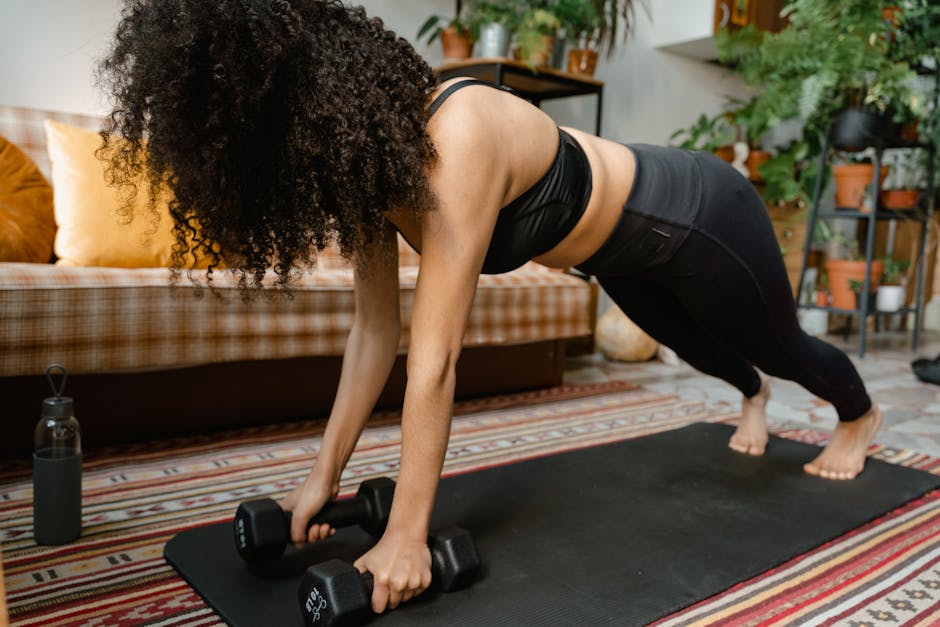
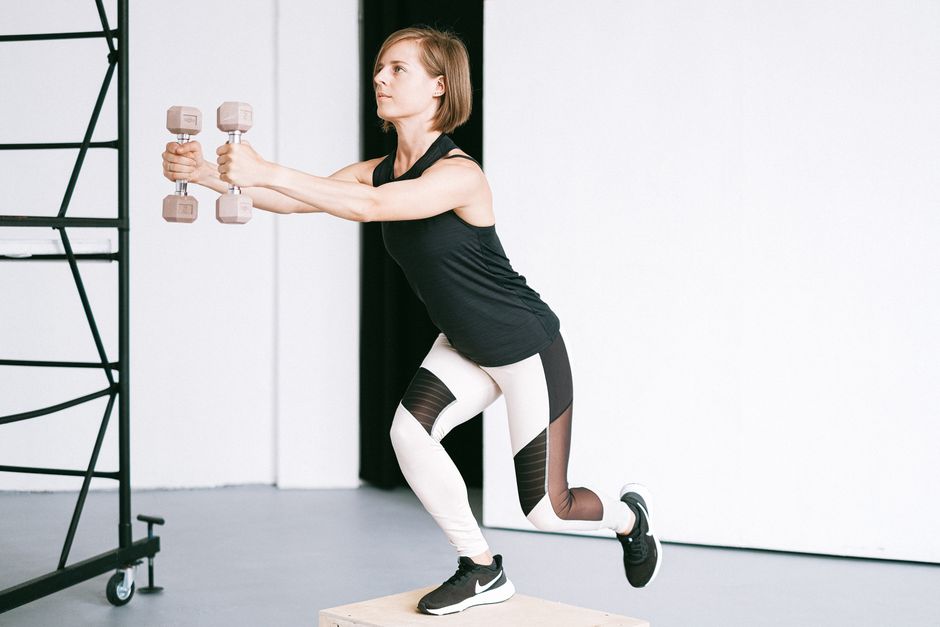
The CDC recommends muscle-strengthening activities on 2 or more days a week that work all major muscle groups: legs, hips, back, abdomen, chest, shoulders, and arms. Strength work doesn’t need to be elaborate to be consistent.
A simple strength circuit
Move through each exercise with controlled form. Rest as needed. Cover the major muscle groups; don’t race.
- Chair squat: Sit back toward a sturdy chair. Stand up. Substitute: Do a partial squat while holding a counter.
- Wall push-up: Place your hands on a wall. Press away. Substitute: Stand closer to the wall to make it easier.
- Standing hip extension: Hold a chair. Move one leg gently behind you. Substitute: Do a seated leg extension.
- Backpack row: Hold a light backpack. Pull your elbows back with a tall, neutral posture. Substitute: Squeeze your shoulder blades together without weight.
- Dead bug: Lie on your back, arms up, knees bent. Slowly lower the opposite arm and leg. Substitute: Do a seated march, bracing your abdomen.
- Standing calf raise: Hold a chair. Rise onto the balls of your feet. Substitute: Do seated heel raises.
Split walks and strength sessions across days if that’s easier. Aim for a pattern you’ll return to after a missed day.
What the step research supports, and what it does not
Searches for “steps per day and all cause mortality” and “steps per day and life expectancy” are common, but these studies need careful reading. A meta-analysis of 15 international cohorts led by Paluch and colleagues (PMID: 35247352) looked at daily steps and all-cause mortality. A 2025 systematic review and dose-response meta-analysis by Ding and colleagues (PMID: 40713949) examined daily steps and a range of health outcomes in adults. Other reviews looked at step counts and depression (PMID: 39680407) and all-cause and cardiovascular mortality (PMID: 37555441).
| What the research supports | What it does not show |
|---|---|
| Meta-analyses have examined associations between daily step count and all-cause mortality in adults. | That a particular step count will cause a specific person to lose weight. |
| A dose-response meta-analysis evaluated daily steps and multiple health outcomes in adults. | That steps replace the CDC’s aerobic and muscle-strengthening recommendations. |
| A meta-analysis examined objectively measured daily step counts and depression in adults. | That steps substitute for individualized mental health care. |
| Step counts have been studied in relation to all-cause and cardiovascular mortality. | A prediction of any one person’s life expectancy. |
These studies describe patterns across groups, not personal forecasts. Value regular movement; don’t treat it as a scoreboard.
How to make the routine stick
- Pick one anchor. Attach a walk to something already on your calendar, like lunch.
- Keep a lower-bar backup. On a hard day, take an easy walk instead of dropping the routine.
- Count the week. The CDC framework is weekly, so one quiet day doesn’t erase the rest.
- Repeat the same moves. Stick with a few strength exercises until they feel familiar.
Who should check with a clinician first
- You have a heart, lung, joint, or other chronic health condition.
- You’ve had symptoms during activity that concern you, such as chest discomfort, dizziness, or unusual shortness of breath.
- You’re recovering from an injury or surgery, or are pregnant.
- You’ve been advised to limit exercise.
Ask what types and intensity of activity suit you. Stop and seek medical care if worrying symptoms occur.
FAQ
What is a good steps per day goal?
A good goal moves you from your current routine toward more regular activity, and you can keep it up. Instead of a universal step number, use the CDC target of at least 150 minutes of moderate-intensity activity each week, plus strength work on at least 2 days.
Do steps alone help with weight loss?
Steps help you notice and increase movement, but the research cited here doesn’t support a set daily step amount for weight loss.
How do steps per day and activity level fit together?
Step totals reflect everyday movement, but activity level also depends on intensity and time. A brisk walk counts toward moderate-intensity aerobic activity; a day of many easy steps isn’t automatically the same as meeting the weekly recommendation.
Why include strength training in a walking plan?
The CDC recommends muscle-strengthening activity on at least 2 days a week in addition to aerobic activity. A short routine that works the major muscle groups rounds out your week.
Sources
- CDC: Adult Activity: An Overview
- Paluch et al., Daily steps and all-cause mortality: a meta-analysis of 15 international cohorts. The Lancet Public Health, 2022. PMID: 35247352
- Ding et al., Daily steps and health outcomes in adults: a systematic review and dose-response meta-analysis. The Lancet Public Health, 2025. PMID: 40713949
- Bizzozero-Peroni et al., Daily Step Count and Depression in Adults: A Systematic Review and Meta-Analysis. JAMA Network Open, 2024. PMID: 39680407
- Banach et al., The association between daily step count and all-cause and cardiovascular mortality: a meta-analysis. European Journal of Preventive Cardiology, 2023. PMID: 37555441
Related on Longview Desk
Not medical advice: This routine is general exercise information, not a personalized program. Start gradually, stop if you feel chest pain, dizziness, or unusual shortness of breath, and check with your doctor or another qualified clinician first if you have a health condition or an injury, or are pregnant.
This article was written by the site’s author with the assistance of AI tools, and reviewed before publication.