At a glance
- What it is: Number porting lets you keep your phone number when you change providers in the same geographic area.
- What’s new: FCC guidance says an old company cannot refuse a port because of an outstanding balance or termination fee.
- Who it is for: People changing wireline, IP, or wireless providers while staying in the same geographic area.
Can you switch phone carriers with no money down and still keep your current number? The FCC’s answer helps, but it covers less than the search phrase suggests. Federal porting rules are about moving a phone number between providers. They don’t set the upfront price of a new phone and carrier plan. If a carrier advertises nothing due at activation, that carrier has to supply the pricing details. The FCC’s porting guide covers what happens to the number, what the new company needs from you, and what the old company can’t do. That difference matters (marketing loves to blend separate things into one shiny promise).
This piece is based on FCC specs and documentation, not on testing a switch. The short version: “switch phone carriers no money down” is not an FCC porting category. You may be able to move your service and keep your number. The FCC documentation doesn’t confirm any carrier’s device price, upfront payment, financing terms, activation charges, or promo conditions.
What “No Money Down” Does and Doesn’t Mean Here
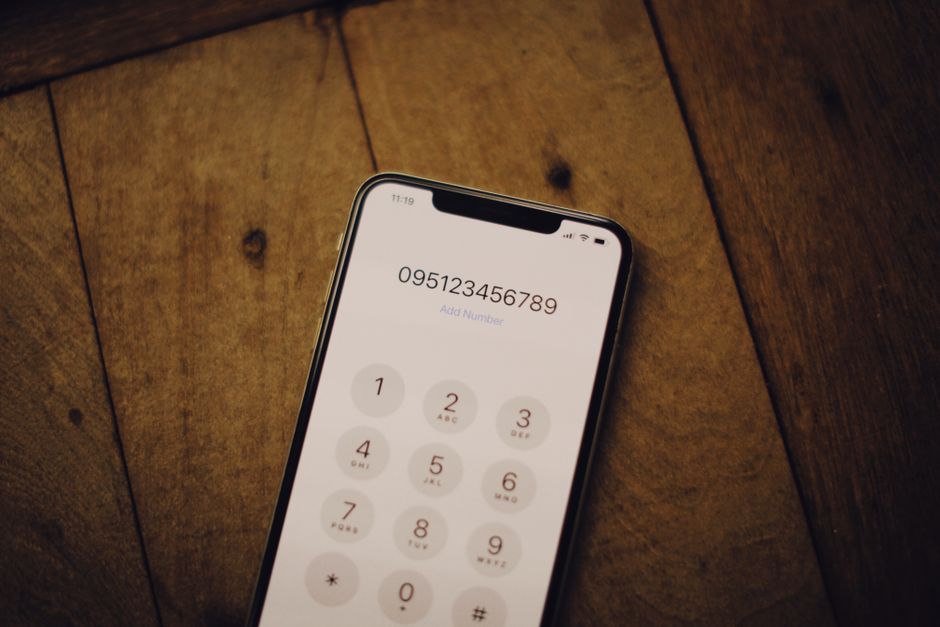
For a U.S. customer, switching service raises several separate questions. Can the number move? Do you still owe money to the old provider? Can the old provider hold up the switch over that money? What does the new provider require before it starts service? The FCC page answers parts of the first three. It sets no universal rule that a carrier must provide service, a phone, or a plan without an upfront payment.
The main FCC protection is stronger than many people realize. Once you request service from a new company, the old company cannot refuse to port your number because you owe an outstanding balance or a termination fee. That doesn’t make the balance or fee disappear. It only means the old company can’t use it to block the port. Those are very different outcomes.
So if your real question is “Can I leave while I still owe my current provider?”, the FCC guide says the debt doesn’t let the old company refuse the port once you’ve requested new service. If your question is “Will the new phone and carrier cost nothing upfront?”, this guide doesn’t answer it. Don’t let a porting right get repackaged as a pricing promise.
Spec Teardown
Every row below comes from the FCC consumer guide on porting. The middle column pulls out the hard figures, since there are only a few.
| Porting item | Key figure | What the FCC documentation confirms |
|---|---|---|
| Keeping a number | Same geographic area | You can keep your existing number when switching providers if you stay in the same geographic area. |
| Provider types | 3 types | Porting can happen between wireline, IP, and wireless providers. |
| Who starts the transfer | New company | You contact the new company to begin. Don’t end service with your existing company before starting new service. |
| Information required | 10-digit number | The new company needs your 10-digit phone number and any other information it requires. |
| Outstanding balance | $0 needed to unblock the port | Once you request new service, the old company cannot refuse the port because of an outstanding balance or termination fee. |
| Simple-port timing | 1 business day; 1 line | FCC rules require simple ports to be processed in one business day. A simple port generally involves no more than one line and no complex changes to switching equipment. |
| Wireless to wireless | A few hours | Between wireless providers, you may be able to use your phone within a few hours. |
| Wireline to wireless | 2 telephones, 1 number | There may be a period when two telephones have the same number. Ask whether your wireline number keeps working during the transfer. |
| Emergency service | 911 | Before porting, ask the new company whether your 911 service will be affected. |
| Long distance | Verify with new carrier | Your new wireless company will likely provide long-distance service. Confirm this with them. |
| Moving away | New geographic area | If you’re moving to a new geographic area, you may not be able to keep your current number. |
One note on the “$0” cell: it only means you don’t have to pay the old balance before the old company releases the number. It says nothing about whether you still owe it. The new provider runs the process. You contact the new company, give it your number and the account details it asks for, and it starts the transfer. The FCC specifically warns against canceling your existing line first. Your number may be portable, but a dead line in the middle of a switch isn’t a clever shortcut (no matter how a sales pitch frames it).
Where the Documentation Stops

The FCC guide is strong on process and silent on retail details. It doesn’t name a cheapest carrier, list device payment options, compare plans, or say whether a given carrier will accept a given phone. If you want a new phone and carrier with no upfront charge, keep two things apart: the carrier’s commercial terms and the FCC’s number-transfer protections.
| What the specs confirm | What the specs don’t tell you |
|---|---|
| An old provider cannot refuse a requested port because of an outstanding balance or termination fee. | Whether that balance, fee, or any other amount is wiped out, deferred, or still due under the old provider’s terms. |
| FCC rules require simple ports to be processed in one business day. Wireless changes may allow phone use within a few hours. | The exact completion time for your transfer, or whether your transfer counts as simple. |
| Customers who stay in the same geographic area can keep an existing number when changing providers. | Whether your specific move or address change will stop you from keeping your number. |
| The new company starts the port and asks for the information it needs. | The new company’s upfront price, device terms, service charges, or promo requirements. |
| You should ask whether 911 service will be affected during the port. | Whether 911 service will actually be affected in your transfer. |
A Practical FCC-First Switch Plan
Start with the number, not the ad copy. If keeping your current number matters, first confirm you’re staying in the same geographic area. Then contact the new company and ask it to start service and the port. Give it your existing 10-digit phone number plus anything else it asks for.
Keep your old service active while this happens. The FCC is clear: don’t end your existing service before you’ve started new service. Ask the new company about 911 service during the process, and check who will provide long-distance service after the change. Those questions aren’t glamorous, but neither is finding out that a “simple” switch left you without a working phone.
Moving a landline number to a cell phone? The FCC notes there may be a period when two phones share the same number. Ask your new wireless company whether your current wireline number will keep working during the transfer. (This is the step most people skip, and it’s the one most likely to cost you a missed call.)
If you’re searching “how to switch phone carriers without paying Verizon,” this FCC guide has no Verizon-specific pricing, balance, device, or account instructions. The porting principle still applies: an old company cannot refuse to port a requested number because you owe an outstanding balance or termination fee. The guide doesn’t say that what you owe the old company is canceled.
FAQ
What does “switch phone carriers no money down” mean under FCC rules?
The FCC guide doesn’t define “no money down.” It covers number porting, which means moving a phone number from one provider to another. It sets no universal upfront pricing for service or phones.
Can I keep my number when I switch phone carrier?
Generally, yes, if you’re switching providers and staying in the same geographic area. The FCC says porting can happen between wireline, IP, and wireless providers. If you move to a new geographic area, you may not be able to keep your current number.
Can my old provider block a port because I owe money?
Once you request service from a new company, the FCC says the old company cannot refuse to port your number because of an outstanding balance or termination fee. The guide doesn’t say the debt or fee is erased.
How long does a phone-number port take?
FCC rules require simple ports to be processed in one business day. Between wireless providers, you may be able to use your phone within a few hours. More complex transfers can take longer, so ask the new company about your request. The full details are in the FCC porting guide.
Keep / Skip / Wait
The porting protections are clear. The FCC documentation doesn’t confirm no-money-down pricing or any carrier’s new-phone terms, so the “free switch” part of the promise is still unproven.
Verdict: Wait — get the new carrier’s actual upfront terms in writing before you treat a porting right as a no-cost switch.
Related on Longview Desk
This article was written by the site’s author with the assistance of AI tools, and reviewed before publication.