What It Means to Switch Phone Carriers

To switch phone carriers is to move your mobile service from one provider to another. The part that matters isn’t the splash screen or the “limited-time” banner (those expire; your phone number sticks around). It’s moving your service and, if you’re eligible, your existing number.
Moving the number is called porting. The Federal Communications Commission’s guide to keeping your phone number when you change providers says that if you switch providers and stay in the same geographic area, you can keep your existing number. Porting works between wireline, IP, and wireless providers.
Short version: start with the new carrier. Don’t cancel the old service first. Give the new company your 10-digit number and whatever else it asks for, then let the port run. That’s the central rule. Skip it and a simple “switch phone carrier and keep number” plan gets messy fast.
To be plain about it: this guide is based on FCC documentation, not on testing any carrier, phone, or plan. Plan pricing, device compatibility, coverage, promotions, and account requirements vary by provider, so check the official documentation for any carrier you’re considering.
Spec Teardown
| Switching item | What the FCC documentation says | What it means in practice |
|---|---|---|
| Keeping a number | You can keep your existing number when switching providers if you stay in the same geographic area. | If you’re moving, confirm eligibility with the new company before counting on your number. |
| Who starts the port | Contact the new company to start the porting process. | Open the new service request first; don’t start by canceling the old one. |
| Information required | Give the new company your 10-digit phone number and any additional information it requires. | Have the number and the requested account details ready before you start. |
| Old service | Don’t terminate service with your existing company before starting new service with another company. | Keep the old line active until the transfer is underway. |
| Porting fees | Companies may charge you to port your number; you can ask whether fees can be waived or negotiated. | Don’t assume you can “switch phone carriers for free.” Ask directly. |
| Outstanding balance | Once you request service from a new company, your old company can’t refuse to port your number, even if you owe a balance or termination fee. | The port can go through, but the balance or fee doesn’t vanish. Those are two separate issues on the same account. |
| Simple-port timing | FCC rules require simple ports to be processed in one business day. | Plan around one business day, not a vague “instant switch” promise. |
| Wireless-to-wireless timing | You may be able to use your phone within a few hours for changes among wireless providers. | It can be quick, but the word “may” is carrying a lot of weight here. |
| Wireline-to-wireless | There may be a period when two phones share the same number. | Ask whether your wireline number keeps working during the one-day transfer. |
| 911 service | Before porting, ask your new company whether your 911 service will be affected. | This is a real question, not paperwork filler. Get a clear answer. |
| Long distance | Your new wireless company will likely provide long-distance service, which you should verify. | It’s a boring question that heads off confusion later. |
That table is the whole job in miniature. Switching carriers is a service transfer plus a number-port request, not just a new plan.
What Is Needed to Switch Phone Carriers?
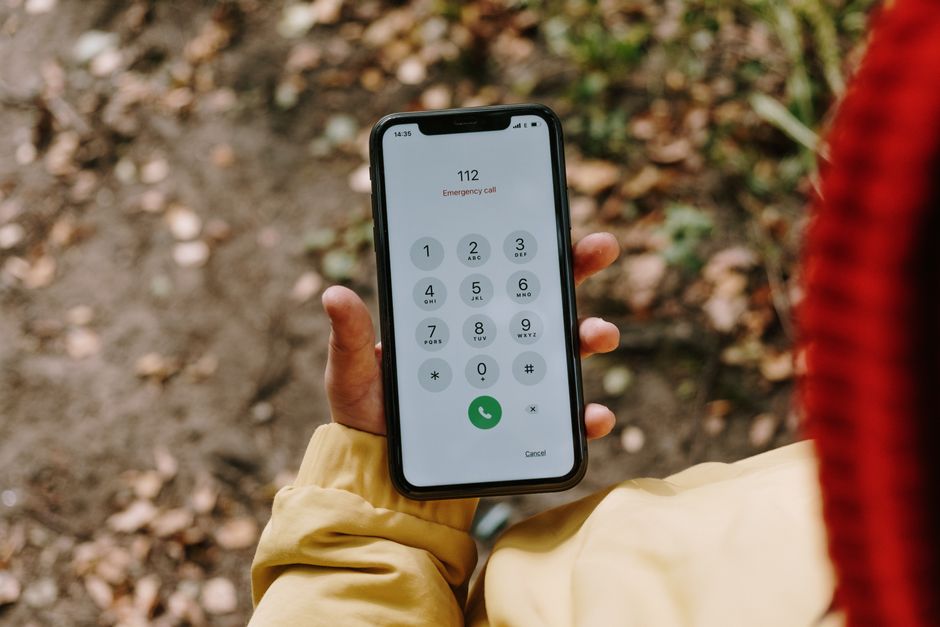
The FCC says the new provider needs your 10-digit phone number plus any additional information it requires. The exact list varies by company, so beyond what the FCC states, no honest checklist works for every carrier. The order of steps is clear, though.
- Choose the new provider and start service with it.
- Tell the new provider you want to port your existing number.
- Give it your 10-digit number and any other information it asks for.
- Keep the old service active while the new company starts the transfer.
- Ask whether your 911 service will be affected during the port.
- Ask whether there’s a porting fee and whether it can be waived or negotiated.
- Confirm which company will handle long-distance service after the switch.
People tend to skip that last step because mobile plans usually come as a single package. The FCC still says your new wireless company will likely provide long distance and that you should verify it. Exciting? No. Useful? Yes.
If you’re looking at a “new phone and carrier” bundle, treat the phone and the service switch as two separate decisions. The FCC guidance covers changing providers and porting numbers. It doesn’t say every phone works on every carrier, and it doesn’t say every promotion covers every situation. Read the new carrier’s requirements and terms before you assume a bundle makes switching painless.
Can You Switch and Save Phone Carrier Costs?
Maybe. But the FCC documentation doesn’t give a savings figure or a standard monthly price, and it doesn’t promise that switching is free. (Refreshing, honestly. I’ll take plain mechanics over sales talk any day.) What it does say: ports can come with fees, and you can ask whether those fees can be waived or negotiated.
So “switch and save phone carrier” needs some translating. Savings is a comparison question. Porting is a service-transfer question. The FCC source backs up asking about a porting charge. It also confirms that an outstanding balance or termination fee doesn’t let your old provider refuse the port. It does not say those obligations disappear.
That distinction matters. A new plan can look cheaper while your old account still has a balance or termination fee to settle. The port and the bill are connected in real life, but they fall under different rules. Keep them in separate mental drawers.
Timing, Service Gaps, and the Number-Port Trap
FCC rules require simple ports to be processed in one business day. A simple port generally involves no more than one line and no complex changes to telephone switching equipment. For wireless-to-wireless changes, you may be able to use your phone within a few hours.
Still, pick your moment. If you depend on your number for work, family, account alerts, or emergency contact, start the process when a short interruption would do the least damage. And ask the new company how 911 service might be affected during the transfer (the FCC specifically tells you to ask). Ask plainly and expect a plain answer.
Moving from a wireline phone to a wireless one adds a wrinkle. The FCC says there may be a period when two phones have the same number. Ask your new wireless company whether your current wireline number will keep working during the one-day transfer. That isn’t a flaw. It’s a detail worth understanding before you start.
When Keeping the Same Number May Not Work
According to the FCC, if you’re moving to a new geographic area, you may not be able to keep your current number when you change providers. At that point, “I’ll just port it” is no longer a plan. It’s a question for the new company.
If the port runs into trouble, don’t cancel the old service out of frustration. The FCC’s guidance doesn’t change: the new company starts the port. If your number can’t move, the new provider is the one to explain what happened and what service it can set up instead.
Keep / Skip / Wait
If you’re staying in the same geographic area and have your 10-digit number and account details ready, go ahead and start with the new carrier. Hold off on canceling anything until the port is underway, and get answers on fees, timing, and 911 service first.
Verdict: Wait — don’t cancel your old service until the new carrier has started the port.
FAQ
Can I switch phone carriers and keep my number?
Generally yes, if you’re staying in the same geographic area. The FCC says you can keep your existing number when you change providers in that case. To start the port, give the new provider your 10-digit number and any additional information it asks for.
Should I cancel my old carrier before switching?
No. The FCC says not to terminate your existing service before starting service with the new company. Contact the new provider first and let it start the number port.
Can I switch phone carriers for free?
Don’t count on it. The FCC says companies may charge you to port your number, though you can ask whether the fee can be waived or negotiated. Nothing in the FCC documentation promises a free switch.
How long does it take to switch phone carriers?
FCC rules require simple ports to be processed in one business day, and wireless-to-wireless changes may let you use your phone within a few hours. Ask the new provider how long your port should take and whether your 911 service could be affected in the meantime.
This article was written by the site’s author with the assistance of AI tools, and reviewed before publication.