At a glance
- What it is: A carrier switch that includes transferring your existing phone number to the new provider.
- What’s new: The FCC’s porting guide covers keeping your number, not any free-iPhone promotion.
- Who it is for: People changing providers in the same geographic area who want to keep their number.
Can you switch phone carriers and get a free iPhone, or is “free” doing some heavy lifting in that ad? Here is the straight answer for anyone typing “switch phone carriers get free iPhone” into a search bar: the official documentation covers the switch, not the phone. The FCC’s number-porting guide explains how you keep your number when you change providers. It says nothing about which carrier hands out iPhones, what the phone costs, or what you have to sign to qualify. That part lives in the carrier’s own offer terms (the small gray text under the giant “FREE”), and no amount of porting rules fills it in. Treat “free” as a claim to verify, not a feature of switching.
Spec Teardown
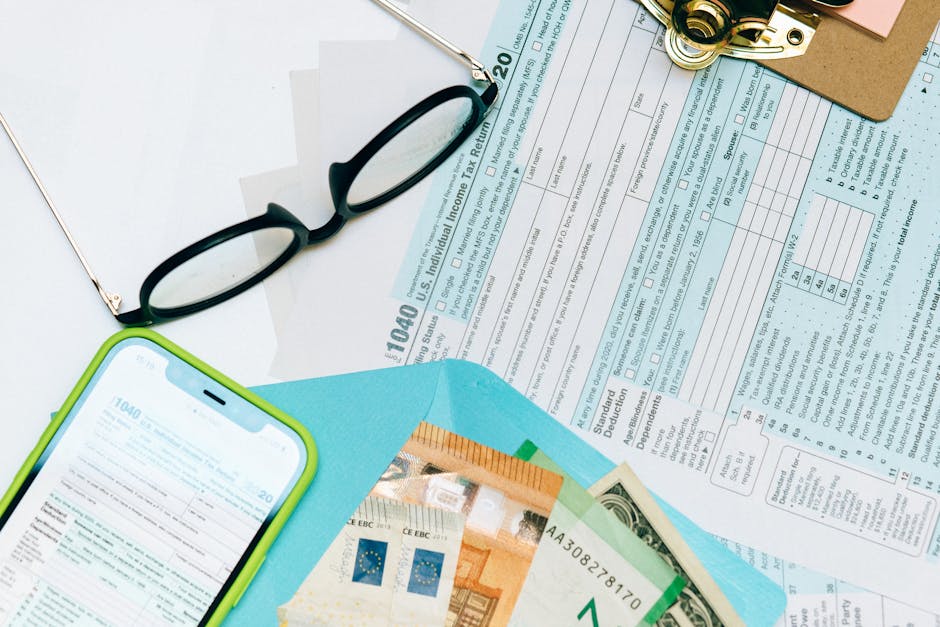
There is no iPhone spec sheet to tear down here, and no carrier offer either. What we have is the official switching documentation, so that is what goes on the bench.
| FCC-documented item | Figure or scope | What it means for your switch |
|---|---|---|
| Number you give the new company | 10 digits | Provide your 10-digit phone number plus any additional information the new provider requires. |
| Simple-port processing | 1 business day | FCC rules require simple ports to be processed in that window. It is a porting rule, not a promise about phone delivery or promo approval. |
| What counts as a simple port | Generally not more than 1 line | Simple ports also avoid more complex adjustments to telephone switching equipment. Multi-line or complex moves may not get the same timing. |
| Wireless-to-wireless use | Within a few hours (may) | You may be able to use your phone within a few hours when changing wireless providers. “May” is the operative word. |
| Provider types covered | Wireline, IP, and wireless | Porting is not limited to wireless-to-wireless switches. |
| Geographic condition | Same geographic area | You can keep your number when switching providers and staying put. Move to a new area and you may not be able to keep it. |
| Wireline-to-wireless quirk | A period with the same number on both phones | During that kind of port there may be a stretch when both telephones share the number. A transfer detail, not a bonus handset. |
Every figure above is about moving a number. Not one is about the value of a phone deal. Watch the simple-port qualifier in particular: the 1-business-day rule travels with the “generally not more than one line, no complex switching changes” definition. Pull the timing out on its own and it starts to sound like a universal switching deadline, which it is not (and a rep quoting it that way is doing marketing, not compliance).
What “free iPhone” cannot mean on these facts
The FCC page makes no finding that switching carriers gets you a free iPhone. It names no carrier, no retailer, no eligible model, no price, no promotion window, and no conditions. Without those pieces, there is no official basis for calling any particular phone free, or for saying a particular switch qualifies. The practical move is boring but correct: read the actual offer before treating its headline as a price, and if it uses the word “free,” find the clause that explains what “free” covers.
Here is the mix-up that trips people up: keeping your number does not establish eligibility for a device deal. The FCC describes porting as carrying an existing number to a new provider. It does not say a completed port earns you a device, sets its price, or settles an offer dispute. A number transfer and a promotion can show up on the same receipt, but they run on different rules.
If keeping your number is non-negotiable, check that first. The FCC says you can keep an existing number when changing providers and remaining in the same geographic area. Move to a new geographic area and you may not be able to keep it. An appealing phone offer does not remove that fork; a shiny device that arrives with an area code you did not want is not the win it looked like.
How to separate the switch from the sale

Run the checks in an order that does not start with the word “free.” First, confirm you are staying in the same geographic area so the number can follow you at all. Next, read the carrier’s written offer terms to learn what the deal actually requires. Then handle the number move with the new provider: the FCC says to give it your 10-digit phone number and any additional information required. Finally, confirm the transfer went through rather than assuming a promo headline tells you anything about porting status. Each step answers a different question, and none answers the others.
The FCC’s porting timelines tell you nothing about when a promised iPhone ships, whether the carrier accepts your promo claim, or what the plan costs over its life. Those answers live in the offer, and only in the offer.
The spec gap, in one place
Here is the clean split between what the official document supports and what you still have to dig out of an offer.
| What the specs confirm | What the specs don’t tell you |
|---|---|
| You can keep your existing number when switching providers and remaining in the same geographic area. | Whether any particular free-iPhone offer is available to you at all. |
| The new company needs your 10-digit number and any additional information required. | Which iPhone model an offer includes, or what the phone and the plan cost. |
| FCC rules require simple ports to be processed in one business day. | Whether a device promotion gets approved, or when an offered phone would arrive. |
| Porting works between wireline, IP, and wireless providers. | Whether the offer requires a specific plan, line count, or trade-in to qualify. |
| A move to a new geographic area may prevent you from keeping your number. | Whether the offer’s conditions fit your planned move or provider change. |
Notice the pattern. The confirmed column is about your number; the unknown column is about a commercial offer. Only one of them is in the official documentation, which is why a breezy “yes, switch and get a free iPhone” answer would be bluffing, and why I will not give you one.
Keep / Skip / Wait: the decision
If your goal is simply to switch phone carrier and keep your number, the FCC guide gives you what you need to start: check the geographic condition, hand over the 10-digit number and whatever else the new company asks for, and understand that the one-business-day rule applies to simple ports. If your goal is a specific free iPhone, stop at the offer. Its written terms, not the FCC’s porting rules, decide whether that phone is available to you and on what conditions.
Keep / Skip / Wait
Keeping your number: well documented. Getting a free iPhone out of the switch: not documented anywhere official, so the burden is on the offer to prove it.
Verdict: Wait — read the carrier’s written offer terms before you let a number-porting rule stand in for a phone deal.
This assessment is based on specifications and official documentation, not on testing a phone, a carrier’s service, or a promotion. The FCC page supports a solid number-porting explanation. It cannot validate a retail claim that appears nowhere in the official material.
FAQ
Does switching carriers automatically get me a free iPhone?
Nothing in the FCC’s porting guidance says so. Its subject is keeping your phone number when you change providers. To evaluate a free-iPhone claim, you need the specific carrier’s written offer terms. Do not confuse “I can port my number” with “I qualify for a phone.”
Can I keep my number when I switch phone carrier?
The FCC says you can keep your existing number if you switch service providers and remain in the same geographic area. Porting works between wireline, IP, and wireless providers. If you move to a new geographic area, you may not be able to keep the number.
How long does a number transfer take?
FCC rules require simple ports to be processed in one business day, and for changes among wireless providers you may be able to use your phone within a few hours. Simple ports generally do not involve more than one line or complex switching-equipment adjustments, so check which situation applies before counting on that timing.
What should I check before accepting a “free iPhone” offer?
Find the provider’s actual written offer and read what it says about eligibility, the phone, and what you would pay over the life of the deal. Separately, use the FCC’s guidance to understand the number move, especially if keeping your number is a deal-breaker. The fine print is the spec sheet here.
Related on Longview Desk
This article was written by the site’s author with the assistance of AI tools, and reviewed before publication.