Author: Juniper Vale

  • Certificate of Deposit Rates: Read the Terms

    At a glance

    • The number: A CD bought through a federally insured bank is insured up to $250,000 across all accounts in your name at that bank.
    • What changed: A CD’s disclosed rate may be fixed or variable, so the rate alone does not describe the whole offer.
    • What to do: Read the CD disclosure statement and confirm the issuing bank before you deposit money.

    What do certificate of deposit rates actually tell you before you put money away? They tell you what interest the issuing bank pays for a deposit held under the CD’s terms. A certificate of deposit, or CD, is a savings account that holds a fixed amount of your money for a fixed period. In exchange, the bank pays interest. When you cash in or redeem the CD, you receive your original deposit plus any interest. That is the basic bargain, with less mystery than the paperwork suggests.

    The rate matters. So do the term, the way interest is paid, and the bank behind the offer. You can find those details in the CD’s disclosure statement. A rate without its terms is like a price tag without the item attached. You have a number, but not yet a useful comparison.

    What a CD rate means for you

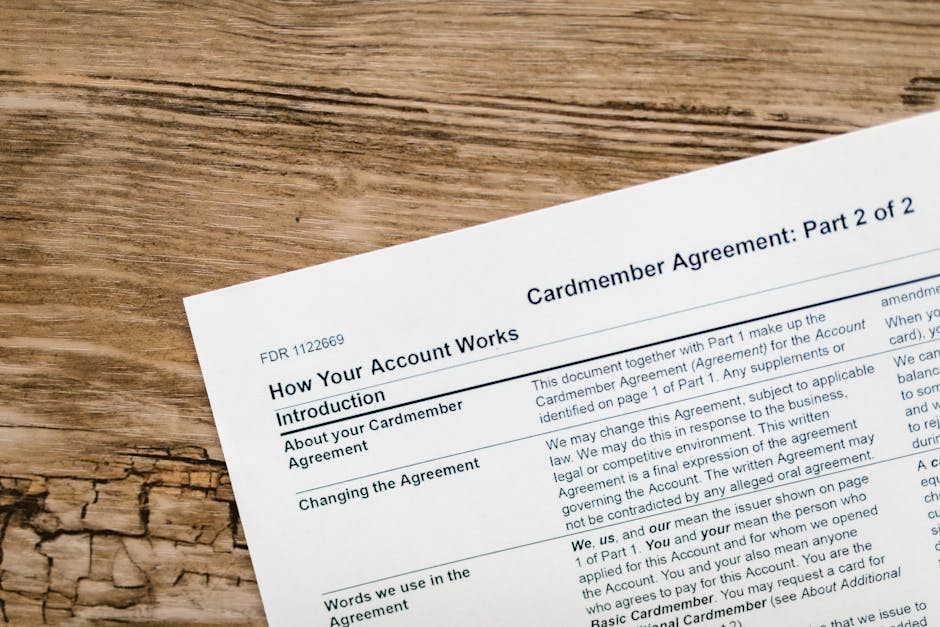
    Person reviewing bank documents at a table
    Photo by RDNE Stock project on Pexels

    When you see a certificate of deposit rate, start by asking whether it is fixed or variable. Investor.gov says the disclosure statement should outline the interest rate and say which kind it is. Do not assume every advertised rate works the same way.

    Next, match the rate to the term. Investor.gov gives six months, one year, and five years as examples of CD periods. The answer to “how long certificate of deposit?” depends on the offer you are reading. You are agreeing to a defined period, not opening an account with no stated end date.

    Then check when the bank pays interest. The disclosure should say whether payment happens, for example, monthly or semi-annually. It should also say whether you receive that payment by check or by electronic transfer. Those details answer much of “how does certificate of deposit interest work?” for the CD in front of you.

    Read those pieces together: your deposit amount, the term, the stated rate, and the payment terms. You do not need a banking glossary. You do need the full sentence before you decide whether you like the number.

    How to read a CD offerFlow diagram: Choose a deposit amount → Read the stated rate and term → Check how interest is paid → Confirm the issuing bank. Note: Check the disclosure before you commit your money.Choose a deposit amountRead the stated rate and termCheck how interest is paidConfirm the issuing bankCheck the disclosure before you commit yourmoney.
    Diagram: How to read a CD offer. Drawn from the official sources linked in this article; it adds no new data.

    Is there a typical CD interest rate?

    If you searched for a “certificate of deposit typical interest rate,” you may be hoping for a benchmark. The sources for this article do not provide a current market average or a list of bank offers. Dressing up a made-up percentage as a typical rate would mislead you. Use the disclosure for each actual CD instead, and compare its stated rate with its term and payment schedule.

    The same caution applies to a “certificate of deposit typical minimum balance.” Investor.gov describes a CD as holding a fixed amount of money, but these sources do not give a standard minimum deposit. You need the terms of the specific offer for that answer. Your choice depends on the CD you can actually open, not an imaginary average CD at an imaginary average bank.

    What the interest math can show

    Savings documents beside a pen
    Photo by Jakub Zerdzicki on Pexels

    A small example shows why a stated rate is worth reading closely. The table below is an illustration, not a quoted CD offer or a typical rate. It assumes a $1,000 deposit, an illustrative fixed annual rate of 4%, simple interest paid at the end of the term, and no interest added to the deposit during the term. Actual CD terms and payment timing may differ; the disclosure controls what you are comparing.

    Illustration only: USD interest under the stated assumptions
    Term Starting deposit Illustrative interest Total at end
    Six months $1,000 $20 $1,020
    One year $1,000 $40 $1,040
    Five years $1,000 $200 $1,200

    In this simplified example, you multiply $1,000 by 4% to get $40 for one year. Half a year gives you $20; five years gives you $200. The table keeps the arithmetic plain. It does not tell you what a bank currently pays, how a particular CD calculates interest, or when that bank sends a payment.

    Which CD details deserve a second look?

    A CD may fit when you can set aside a fixed amount for the stated period and understand how interest will be paid. Think twice when the term does not suit your plans, the payment details are unclear, or you cannot verify who is issuing the CD. These are practical questions raised by how CDs work and by Investor.gov’s advice to check the issuer.

    This fits if Think twice if
    You can choose a fixed deposit amount and a stated term, such as six months or one year. You do not yet know whether you can leave that amount in the CD for its stated period.
    You can read whether the disclosed interest rate is fixed or variable and when interest is paid. You have only a headline rate, without a clear rate type or payment details.
    You have confirmed that the CD comes from a federally insured bank and understand how coverage applies to your accounts there. You cannot confirm the issuing bank, or you are treating each CD as having its own separate $250,000 coverage limit.

    Insurance deserves its own pause. Investor.gov says a CD bought through a federally insured bank is insured up to $250,000. That figure covers all accounts in your name at the same bank, not each CD or account separately. If you already hold money at that bank, those other balances matter to your coverage.

    The FDIC explains that its deposit insurance applies only to deposit accounts at FDIC-insured banks. A bank may also offer products that are not deposits; the FDIC does not insure those. Before you share personal information or send money, confirm that the institution is legitimate and FDIC-insured through the FDIC’s resources. The bank’s name on an offer deserves more attention than the font size of the rate.

    If you encounter a brokered CD, take an additional look at who is involved. Investor.gov says deposit brokers can sometimes negotiate a higher interest rate by promising to bring deposits to an institution. It also says deposit brokers are not licensed or certified, and no state or federal agency approves them. Check the background of the issuer or broker rather than treating a higher quoted rate as a substitute for verification.

    The 1% Fix

    Make one habit automatic: read the disclosure statement before you compare a CD’s rate with any other offer. Look for the rate type, the term, the interest-payment timing, and the payment method. Keep those details together while you compare. You are not trying to become a bank examiner over breakfast. You are making sure the rate belongs to a deal you understand.

    If you cannot find an essential term, pause and ask the issuing bank for the disclosure. If you are looking at a brokered CD, identify the issuer as well as the broker. That small reading habit keeps a striking rate from crowding out the less flashy facts printed beside it.

    Checklist

    • Confirm the amount you would deposit and the CD’s fixed term.
    • Read whether the disclosed interest rate is fixed or variable.
    • Check when interest is paid and whether payment comes by check or electronic transfer.
    • Verify the issuing bank and whether it is FDIC-insured before sending money.
    • Count your other accounts at the same bank when you weigh the $250,000 insurance figure.

    FAQ

    What does certificate of deposit mean?

    A CD is a savings account that holds a fixed amount of your money for a fixed period. The issuing bank pays interest in exchange. When you redeem the CD, you receive the original amount plus any interest. The term and the rate are parts of the same agreement, not separate features you choose later.

    How does certificate of deposit interest work?

    The issuing bank pays interest under the CD’s stated terms. Your disclosure should identify the rate, whether it is fixed or variable, when interest is paid, and whether you receive payments by check or electronic transfer. A headline rate alone cannot answer those payment questions.

    How long is a certificate of deposit?

    The period is fixed for the CD you choose. Investor.gov lists six months, one year, and five years as examples. Use the term on your actual offer rather than assuming all CDs hold your money for the same length of time.

    Is there a typical minimum balance or interest rate?

    These sources do not state a typical minimum deposit or a current typical interest rate. Get the applicable figures from the terms of the CD you are considering, and compare them alongside the term, rate type, and payment details. A neat average would be pleasant, but your actual offer gets the final word.

    Related on Longview Desk


    Not financial advice: This article is general education about personal finance and does not consider your income, taxes, debts, or goals. Limits, rates, and rules change; confirm current figures with the official sources linked above, or talk with a qualified tax or financial professional, before you act.

    This article was written by the site’s author with the assistance of AI tools, and reviewed before publication.


  • Roth IRA Income Limits 2026: Filing Status Sets the Range

    At a glance

    • The number: For 2026, the Roth IRA income phase-out range is $153,000–$168,000 for singles and heads of household.
    • What changed: That range rose from $150,000–$165,000 for 2025.
    • What to do: Check your filing status and modified AGI against the IRS range before you contribute.

    Will your income change how much you can put in a Roth IRA for 2026? Roth IRA income limits depend on your filing status and your modified adjusted gross income, or modified AGI. For singles and heads of household, the 2026 phase-out range is $153,000–$168,000. For married individuals filing separately, it stays at $0–$10,000. Inside a phase-out range, your permitted Roth IRA contribution may be reduced. The IRS also sets a separate annual IRA contribution limit. Two checks, not one.

    The IRS announcement of 2026 retirement-plan limits gives those income ranges and sets the annual IRA contribution limit at $7,500. If you are age 50 or older, the IRA catch-up limit is $1,100. Your income range tells you whether a direct Roth IRA contribution might be restricted. The annual IRA limit is the general ceiling for your IRAs. Neither replaces the other.

    What the 2026 income ranges tell you

    A person reviews retirement paperwork and a notebook at a kitchen table
    Photo by Vodafone x Rankin everyone.connected on Pexels

    Start with your filing status. The IRS gives singles and heads of household a Roth IRA phase-out range of $153,000–$168,000 for 2026. It gives married individuals filing separately a range of $0–$10,000. If your modified AGI lands inside the range that applies to you, do not assume the full annual IRA limit is available for a direct Roth IRA contribution.

    The figures quoted here do not cover every filing status. In particular, they do not include a married-filing-jointly range. If that is how you file, do not borrow the singles range because it happens to be the one on the page. Check the IRS 2026 limits announcement for the range that applies to your return. A tidy guess is still a guess.

    What changed from 2025? For singles and heads of household, the range moved from $150,000–$165,000 to $153,000–$168,000. For married individuals filing separately, the $0–$10,000 range did not move. The IRS says that range is not subject to an annual cost-of-living adjustment. So you need the year and the filing status together. A number remembered from an old return may not do the job.

    Picture the decision as a short sequence. Your filing status points you to a range. Your modified AGI tells you where you fall in it. Then you check how much you may contribute under the Roth IRA rules, alongside the annual limit your IRAs share. No account label gets to skip the middle step.

    Check Roth IRA eligibilityFlow diagram: Filing status → Modified AGI → IRS phase-out range → Possible contribution limit. Note: Your Roth and traditional IRAs share a combined contribution limitFiling statusModified AGIIRS phase-out rangePossible contribution limitYour Roth and traditional IRAs share acombined contribution limit
    Diagram: Check Roth IRA eligibility. Drawn from the official sources linked in this article; it adds no new data.

    The 1% Fix

    Here is the habit: before you make a Roth IRA contribution, put your filing status and your modified AGI next to the IRS income range for that year. Then pick a contribution amount. It is a small pause, not a grand financial reinvention. Your future self has enough paperwork already.

    Why those details? The IRS Roth IRA guidance says your contribution might be limited based on your filing status and income. The 2026 announcement supplies the phase-out ranges above. Looking only at the $7,500 annual IRA limit skips the question that brought you here: whether your income restricts a direct Roth IRA contribution.

    Repeat the check whenever you use a different tax year’s figures. The singles and heads-of-household range changed between 2025 and 2026, while the married-filing-separately range stayed put. Your filing status and modified AGI still have to enter the room.

    Keep the income test separate from the IRA cap

    A folder of tax forms sits beside a pen on a wooden desk
    Photo by Leeloo The First on Pexels

    The 2026 annual IRA contribution limit is $7,500. If you are age 50 or older, the IRA catch-up limit is $1,100. The IRS also says the same combined contribution limit applies to all of your Roth and traditional IRAs. You cannot treat each account as a fresh copy of the allowance. A second account is an account, not a loophole with nicer stationery.

    The worked illustration below isolates the annual-limit arithmetic. It assumes you are eligible to make the full amount shown as a direct Roth IRA contribution, that you make the listed traditional IRA contribution in the same year, and that no other IRA contributions use the shared limit. It does not show how a modified AGI inside a phase-out range reduces a Roth IRA contribution.

    Illustration in USD: how contributions use a shared 2026 IRA limit, assuming full direct Roth IRA eligibility and no other IRA contributions
    Your illustrated situation Annual IRA limit Traditional IRA contribution Illustrated room for a Roth IRA contribution
    Under age 50; no traditional IRA contribution $7,500 $0 $7,500
    Under age 50; traditional IRA contribution made $7,500 $2,500 $5,000
    Age 50 or older; no traditional IRA contribution $8,600 $0 $8,600
    Age 50 or older; traditional IRA contribution made $8,600 $3,000 $5,600

    In the age-50-or-older rows, $8,600 is the $7,500 annual limit plus the $1,100 catch-up amount. In every row, the Roth IRA room is the combined limit minus the traditional IRA contribution shown. The table answers an arithmetic question, not the income-eligibility question. If your modified AGI limits your Roth IRA contribution, the last column is not permission.

    When the simple check fits, and when it does not

    The income ranges are useful signposts, not a complete calculation. Your filing status matters. Your modified AGI matters. So do contributions to a traditional IRA under the shared limit.

    This fits if Think twice if
    You file as single or head of household and can compare your 2026 modified AGI with the $153,000–$168,000 phase-out range. You use another filing status and need its own IRS range rather than the singles and heads-of-household figures.
    You are checking the general $7,500 IRA limit, plus the $1,100 catch-up amount if you are age 50 or older. You also contribute to a traditional IRA: your Roth and traditional IRAs share a combined limit.
    You file separately as a married individual and know the $0–$10,000 phase-out range applies. Your modified AGI falls inside an applicable phase-out range, so the full annual IRA limit may not be available for a direct Roth IRA contribution.

    If you are asking “what is the Roth IRA income limit for 2026,” first find the range for your filing status. Then ask whether you are inside it. Only then compare a possible contribution with the annual IRA limit and any traditional IRA contributions. It is less exciting than a single magic number. It is also more useful.

    Checklist

    • Confirm the tax year you are checking, and use the IRS figures for 2026 for a 2026 contribution.
    • Identify your filing status before choosing an income phase-out range.
    • Compare your modified AGI with the range that applies to that filing status.
    • Check contributions to both your Roth and traditional IRAs against their shared annual limit.
    • If you are age 50 or older, include the $1,100 IRA catch-up limit without treating it as an exemption from the income rules.

    FAQ

    What is the difference between Roth and a Roth IRA?

    “Roth IRA” names a particular IRA. The IRS says the account or annuity must be designated as a Roth IRA when it is set up. The word “Roth” alone is less precise: the IRS Roth IRA guidance also points readers to differences between Roth IRAs and designated Roth accounts. If you are checking the income limits in this article, confirm that you mean a Roth IRA.

    How do you use a Roth IRA under these limits?

    For a contribution, begin with your filing status and modified AGI. Check the Roth IRA income phase-out range that applies. Then check the annual IRA contribution limit and what you have put into any traditional IRA. The IRS says you cannot deduct Roth IRA contributions. It also says you can contribute after age 70½ and leave amounts in the account as long as you live. Those account rules do not erase the income and combined-limit checks.

    Does the $7,500 IRA limit mean you can put $7,500 in a Roth IRA?

    Not necessarily. That is the 2026 annual IRA contribution limit, not an automatic personal Roth IRA allowance. Your permitted Roth IRA contribution might be limited by your filing status and modified AGI. Contributions to a traditional IRA also use the combined limit. If you are age 50 or older, the $1,100 catch-up amount changes the annual-limit arithmetic, but you still need to pass the Roth IRA income check.

    What if you file jointly?

    Do not use the singles and heads-of-household range, or the married-filing-separately range, as a stand-in for your own. The figures quoted here do not state a 2026 married-filing-jointly range. Use the IRS 2026 announcement to find the figure for your filing status before deciding how much you may contribute directly to a Roth IRA.

    Related on Longview Desk


    Not financial advice: This article is general education about personal finance and does not consider your income, taxes, debts, or goals. Limits, rates, and rules change; confirm current figures with the official sources linked above, or talk with a qualified tax or financial professional, before you act.

    This article was written by the site’s author with the assistance of AI tools, and reviewed before publication.

  • 401k Contribution Limits 2026 Over 50: Check Your Age

    At a glance

    • The number: You can generally contribute up to $32,500 to most 401(k) plans in 2026 if you are age 50 or older.
    • What changed: The employee limit rose to $24,500 from $23,500, and the general catch-up limit rose to $8,000 from $7,500.
    • What to do: Check which catch-up limit applies before setting your paycheck contribution.

    How much can you put in your 401(k) if you’re over 50 in 2026? For most 401(k) participants age 50 or older, the answer is generally $32,500: the $24,500 employee contribution limit plus an $8,000 catch-up contribution. The IRS announcement of the 2026 limits also says a higher $11,250 catch-up limit applies to certain participants. Your age and plan details matter before you choose a paycheck amount.

    That distinction is easy to miss when a search result gives you a single large number. A limit is a ceiling, not a suggested contribution. You can use it to check your plan, then choose an amount that fits your budget. The ceiling does not send itself to your account. If only retirement saving were that polite.

    Start with the employee limit

    You review retirement paperwork beside a notebook
    Photo by Jakub Zerdzicki on Pexels

    For 2026, the IRS sets the annual employee contribution limit at $24,500 for participants in 401(k), 403(b), governmental 457 plans, and the federal government’s Thrift Savings Plan. That is up from $23,500 for 2025. If you are checking your 401(k), start with the employee limit rather than a combined figure you found elsewhere.

    Next, check whether a catch-up contribution applies to you. The IRS says the catch-up limit generally applicable to employees age 50 and older in most of those plans is $8,000 for 2026, up from $7,500 for 2025. Add the general catch-up amount to the employee limit, and you get the generally applicable $32,500 total for 2026.

    There is an important wrinkle. The IRS announcement says a higher catch-up limit of $11,250, rather than $8,000, remains in place for certain participants. It does not give you permission to treat that higher amount as the default for everyone over 50. If you think it may apply, check the IRS announcement and your plan’s information before you set your contribution. A bigger number on a search page is not a plan rule.

    The 1% Fix

    Make this your habit: when you review your 401(k) contribution, check the applicable annual limit before you change your paycheck election. That is a small pause, not a promise to contribute more. You are checking which ceiling belongs to your situation before you use it to guide a decision.

    Start with your age group. Then check the catch-up limit that applies under your plan. Add that amount to the employee limit only when the catch-up applies to you. Finally, compare the result with the contributions you have already chosen for your paychecks. If you cannot tell which catch-up applies, ask your plan for its details instead of guessing from the largest figure in an article.

    Check your catch-up limitFlow diagram: Find your age group → Check the applicable catch-up limit → Add it to the employee limit → Review your paycheck contribution. Note: Your plan details determine what applies.Find your age groupCheck the applicable catch-up limitAdd it to the employee limitReview your paycheck contributionYour plan details determine what applies.
    Diagram: Check your catch-up limit. Drawn from the official sources linked in this article; it adds no new data.

    This habit is especially useful if you are updating a contribution you set in an earlier year. The 2026 employee limit and general catch-up limit both increased from 2025. Leaving an old number untouched may be perfectly sensible for your budget. Leaving it untouched because you never checked is a different decision. Your budget deserves a vote; an outdated search result does not.

    What the numbers look like together

    You check a paycheck beside a notebook
    Photo by https://kaboompics.com/ on Pexels

    The table below is an illustration in USD, not a contribution recommendation. It assumes you participate in a 401(k) and qualify for the general age-50-or-older catch-up. It uses only the employee and general catch-up figures in the IRS announcement. It does not assume that the higher $11,250 catch-up applies to you.

    Illustration: annual limit 2025 (USD) 2026 (USD)
    Employee contribution limit $23,500 $24,500
    General catch-up, age 50 or older $7,500 $8,000
    Illustrated total, if the general catch-up applies $31,000 $32,500
    Increase in the illustrated total — $1,500

    The illustrated 2025 total is $23,500 plus $7,500. The illustrated 2026 total is $24,500 plus $8,000. The $1,500 difference describes the change in those limits, not extra money you will automatically save. Your actual contribution still depends on what you elect and what you can afford.

    Keep the higher catch-up separate in your thinking. If it applies to you, the relevant catch-up figure in the IRS announcement is $11,250 instead of the general $8,000. That is a reason to verify your category, not a reason to select the highest figure by reflex. You want the number that fits you, not the number with the best stage lighting.

    When the general figure fits—and when to pause

    This fits if Think twice if
    You are age 50 or older and the general $8,000 catch-up applies to your 401(k). You may be among the participants for whom the higher $11,250 catch-up applies.
    You are comparing the IRS employee limit and general catch-up for 2025 and 2026. You are looking at a figure for an IRA or a different retirement plan instead of your 401(k).
    You are using the illustrated total as a ceiling to check against your own election. You are treating the illustrated total as an amount you must contribute, regardless of your budget.

    A 401(k) and an IRA do not share the same figures in the IRS announcement. For 2026, the IRA contribution limit is $7,500, and the IRA catch-up limit for people age 50 or older is $1,100. Those numbers may be useful if you also have an IRA, but they do not replace the 401(k) employee and catch-up figures. Keep the accounts labeled. Your future self does not need an accounting mystery.

    The same care helps when you read about other workplace plans. The IRS announcement lists 403(b), governmental 457 plans, and the Thrift Savings Plan alongside 401(k) plans for the employee limit and the generally applicable catch-up. If your workplace account is not a 401(k), confirm its name and the rules that apply to you. A familiar limit is not a substitute for checking your own plan.

    Checklist

    • Check whether your workplace retirement account is a 401(k) before using a 401(k) search result.
    • Find your age group and confirm which catch-up limit applies to you.
    • Use the IRS 2026 announcement for the employee and catch-up figures.
    • Compare your chosen paycheck contribution with the applicable annual limit.
    • Choose a contribution your budget can support rather than treating the limit as a target.

    FAQ

    What are the 401(k) contribution limits for 2026 if you are over 50?

    The IRS sets the 2026 employee contribution limit at $24,500. If you are age 50 or older and the general $8,000 catch-up applies, you can generally contribute up to $32,500. The IRS also identifies a higher $11,250 catch-up limit for certain participants, so check which category applies to you before relying on a total.

    What was the 401(k) contribution limit and catch-up for 2025?

    The IRS announcement gives a 2025 employee limit of $23,500 and a general catch-up limit of $7,500 for employees age 50 or older. Together, those figures make an illustrated $31,000 total when that general catch-up applies. The comparison helps you see what changed for 2026; it does not tell you what to elect from your paychecks.

    Can you use a 2024 limit to plan your 2026 contributions?

    No. For a 2026 decision, use the current-year figures in the linked IRS announcement and confirm your applicable catch-up. The source used here does not supply a 2024 limit, so a 2024 search result cannot answer your 2026 question. Older figures have their place. Your current paycheck is not it.

    Does being over 50 mean you have to contribute $32,500?

    No. The $32,500 figure is the generally applicable 2026 ceiling when the $8,000 catch-up applies, not a required contribution. You can check the limit, review your budget, and choose your paycheck contribution accordingly. If you may qualify for the higher catch-up, verify that detail first. The useful habit is knowing your own ceiling before you make the choice.

    Related on Longview Desk


    Not financial advice: This article is general education about personal finance and does not consider your income, taxes, debts, or goals. Limits, rates, and rules change; confirm current figures with the official sources linked above, or talk with a qualified tax or financial professional, before you act.

    This article was written by the site’s author with the assistance of AI tools, and reviewed before publication.

  • Tax Refund vs Tax Credit: Why 2025 Amounts Can Differ

    At a glance

    • The number: Your exact refund amount is listed on your filed tax return, not on a credit claim.
    • What changed: IRS corrections can raise a refund, and debt offsets can reduce it.
    • What to do: Keep your return handy and compare its refund amount with what arrives.

    Does claiming a tax credit mean you’ll get that same amount back as a refund? No. For tax refund vs tax credit, the useful distinction is between a credit you claim on your return and the refund amount shown on that return. A credit claim can also affect when you receive a refund. The IRS says refunds on returns claiming the Earned Income Credit are held until mid-February by law. Claims for the Additional Child Tax Credit can take more time to review.

    Your refund amount is not always the amount you’ll receive, either. The IRS says its corrections can increase it. Prior taxes owed or certain past-due debts can reduce it. That is why the number to check is the refund amount on your return, not a credit name you remember selecting in your tax software.

    Start with the return, not the deposit

    Tax paperwork and a pen on a desk
    Photo by Leeloo The First on Pexels

    If you’re trying to make sense of a refund, pull up the return you filed. According to the IRS refunds page, the exact amount of your refund, your Social Security number or ITIN, your filing status, and the tax year are all listed on your tax return. Those are the details you need when checking on your refund. If you no longer have the return, the IRS says you can view your transcript in your account.

    Compare the amount shown on your return with what you later receive. If they differ, don’t assume the credit itself disappeared. The IRS may have corrected the return, or it may have reduced the refund to pay a debt. A deposit tells you what arrived. Your return tells you what you originally expected.

    Keep those amounts separate in your head. You claimed a credit on the return. You then check the return’s refund amount. You may receive a different amount if an IRS correction or offset applies. Less mental arithmetic. Still paperwork, unfortunately.

    From return to refundFlow diagram: Review your filed return → Check the refund amount it lists → Allow for IRS review or offsets → Receive the final refund. Note: A credit claim can affect refund timing.Review your filed returnCheck the refund amount it listsAllow for IRS review or offsetsReceive the final refundA credit claim can affect refund timing.
    Diagram: From return to refund. Drawn from the official sources linked in this article; it adds no new data.

    An illustration: claim, expected refund, received refund

    The table below is an illustration, not an estimate of your taxes. Assume your filed return shows a $600 refund and includes a $400 credit claim. The dollar amounts are made-up USD examples, not IRS figures or credit limits. Assume a separate reduction for a past-due debt in the last two rows. The point is to keep a claimed credit, the return’s refund amount, and a possible reduction in different columns.

    Illustrative situation Credit claimed on return Refund shown on return Assumed reduction Amount received
    No reduction $400 $600 $0 $600
    Smaller assumed reduction $400 $600 $50 $550
    Assumed debt reduction $400 $600 $100 $500

    In every row, the illustrated credit claim stays at $400. The illustrated refund on the filed return stays at $600. Only the assumed reduction changes the amount received. That does not mean a real $400 credit produces a $600 refund, or that a particular debt will reduce yours. Your return and any IRS notice matter more than this tidy little table.

    When a credit claim changes the wait

    Person reviewing paperwork at a table
    Photo by SHVETS production on Pexels

    The IRS lists several reasons a refund may take longer. A return that needs corrections or further review can be delayed. If your return includes an Earned Income Credit claim, the IRS says the refund is held until mid-February by law to prevent fraud. If it includes an Additional Child Tax Credit claim, the IRS says that credit can be complicated and requires more time to review.

    Those statements describe possible timing issues. They do not give you a personal payment date. The IRS says the typical time to receive your refund depends on how you filed. If you’re making plans around money that has not arrived, leave room for a delay rather than treating the return’s refund amount as cash already in your account.

    Where the distinction matters

    This fits if Think twice if
    You’re checking a U.S. federal refund and have your filed return’s exact refund amount. You’re using a claimed credit amount as though it were the exact refund amount listed on your return.
    Your return includes an Earned Income Credit or Additional Child Tax Credit claim, and you’re checking why a refund may take longer. You’re treating a delayed refund as proof that the credit claim was denied; the IRS also describes holds and review time.
    You received less than the refund shown on your return and need to check for an offset. You’re assuming every difference is an offset; the IRS also says it may make corrections to a return.

    A smaller refund deserves a closer look, not a guess. The IRS says a refund may be reduced to pay prior taxes owed. It may also be reduced to pay a past-due debt such as child support, federal agency nontax debt, or state income tax. The Bureau of the Fiscal Service, which issues IRS refunds, mails a notice about the debt offset.

    A larger refund deserves attention, too. The IRS says its changes or corrections can increase your refund. But if you believe your refund was increased accidentally, or you received a refund you aren’t entitled to, the IRS says you must promptly return the erroneous refund. Surprise money is pleasant. Surprise obligations are less charming.

    If a paper check goes missing

    If you’re getting a check rather than a deposit, the IRS says you should receive it within 4 weeks from the date it is issued. If the check was lost or stolen, you can request a refund trace, or complete and send the IRS Form 3911, Taxpayer Statement Regarding Refund.

    Old checks have their own rule. If the check is more than a year old, the IRS says it will mail a new refund check with a CP32 notice. If for any reason it can’t reissue the refund, it will mail a CP32A notice and ask you to contact the IRS to request a replacement. It changes how the refund reaches you, not the credit you claimed.

    The 1% Fix

    Keep the exact refund amount from your filed return with your tax records. Make that your small habit before you start checking for a payment. You’ll have the figure the IRS identifies as necessary, instead of relying on a remembered credit claim or a rough expectation.

    Keep the filing status and tax year with it. The IRS says those details, your identifying information, and the exact refund amount are listed on the return. If the return is missing, the IRS says you can view your transcript in your account. You don’t need to turn refund checking into a new hobby. You need the right paperwork.

    Checklist

    • Find your filed return and note its exact refund amount, filing status, and tax year.
    • Check whether your return includes an Earned Income Credit or Additional Child Tax Credit claim if timing is your concern.
    • If the amount received differs from the return, consider whether an IRS correction or a debt offset applies.
    • Watch for a mailed notice from the Bureau of the Fiscal Service if a debt offset reduced your refund.
    • If your refund check was lost or stolen, request a refund trace or send Form 3911.

    FAQ

    Is a tax credit the same as a tax refund?

    No. When you’re checking a U.S. federal refund, distinguish the credit claimed on your return from the return’s exact refund amount. The IRS also says certain credit claims can affect refund timing.

    Why is my refund different from the amount on my return?

    The IRS says it may make changes or corrections to a return, which can increase the refund. It also says refunds may be reduced to pay prior taxes owed or certain past-due debts. If a debt offset applies, the Bureau of the Fiscal Service mails a notice. Check that explanation before deciding what the difference means.

    Is an airport tax refund in Japan, Korea, or France the same thing?

    No. The IRS source used here says nothing about those countries’ airport refund rules. If your question is “what is tax refund at the airport,” or “what is tax refund in Japan, Korea, or France,” don’t use your U.S. federal return’s refund amount to answer it. This article concerns the IRS refund shown on a U.S. tax return, not a shopping transaction abroad.

    Will a tax refund advance make an IRS refund arrive sooner?

    The IRS source here does not describe terms or timing for a tax refund advance. It does say refund timing depends on how you filed, and that corrections, further review, and certain credit claims can delay a refund. Treat any advance question separately from what the IRS says about issuing your refund.

    Related on Longview Desk


    Not financial advice: This article is general education about personal finance and does not consider your income, taxes, debts, or goals. Limits, rates, and rules change; confirm current figures with the official sources linked above, or talk with a qualified tax or financial professional, before you act.

    This article was written by the site’s author with the assistance of AI tools, and reviewed before publication.

  • I Bonds vs TIPS: Check the Rules Before You Choose

    At a glance

    • The number: You can buy up to $10,000 in electronic I bonds per calendar year for each Social Security Number or Employer Identification Number.
    • What changed: As of January 1, 2025, I bonds are available only electronically through TreasuryDirect.
    • What to do: Check the current I bond terms and Treasury’s I bonds-to-TIPS comparison before you commit any money.

    Should you put your inflation-wary savings into I bonds or TIPS? For i bonds vs tips, start with what you can verify before you move a dollar. TreasuryDirect calls TIPS its marketable inflation-protected security, and its I bonds page points you to a side-by-side comparison of the two. That page spells out the I bond rules: the minimum, the yearly limit, and how you get paid. It does not hand you a TIPS rate or a TIPS purchase rule. You need those current details before the comparison is fair.

    Start with the difference you can confirm

    Person reviewing financial notes at a kitchen table
    Photo by Vodafone x Rankin everyone.connected on Pexels

    An I bond is a Series I savings bond. You buy electronic I bonds in your TreasuryDirect account. You wait to get all the money until you cash in the bond. If you still hold an electronic I bond when it matures, Treasury pays you automatically. Along the way, you can see what your electronic bond is worth by logging in.

    TIPS are a different animal. Treasury calls them marketable inflation-protected securities. “Marketable” is a meaningful word, but it is not a substitute for reading the rules that would apply to your purchase. If you are weighing I bonds against TIPS, open Treasury’s comparison and check the current terms for both. Your choice depends on terms you can actually use, not on how tidy the two names look next to each other.

    On the I bond side, begin with a plain question: how much do you want to buy? TreasuryDirect lists a $25 minimum and lets you buy any amount above that, to the penny. Its own example is $36.73. It also sets a calendar-year ceiling of $10,000 in electronic I bonds for each Social Security Number or Employer Identification Number. That ceiling is a limit, not a target. You do not have to fill it just because the form has room.

    What is an I bond paying now?

    TreasuryDirect currently lists an issue period for I bonds running from November 1, 2026, through April 30, 2027. The rate tied to that period lives on Treasury’s site, not here. You will not find a guessed “current” number in this article. Check the TreasuryDirect I bonds page for the rate and terms that apply to the issue you are considering.

    Do not confuse a rate for a new I bond issue with a finished comparison to TIPS. A rate for one side and a blank space for the other is not a comparison. The blank space is free, but it is not especially helpful.

    If you went looking for an “i bonds rates history chart 10 years,” TreasuryDirect says it lists interest rates for every I bond ever issued. It splits them into separate tables for fixed rates, inflation rates, and combined rates. Those tables are useful for understanding how I bonds have worked. They are not proof of what a new purchase will pay. Read the current issue information before you decide.

    A worked purchase example

    Laptop showing financial figures beside a paper notebook
    Photo by Markus Winkler on Pexels

    The table below is an illustration in USD. It is not a return forecast and not a TIPS comparison. Assume you are buying electronic I bonds in a single calendar year under one Social Security Number. Assume you have made no other I bond purchases that year. The amounts are example purchase amounts, not quoted prices or predicted earnings.

    Illustration: purchase Amount in USD Running calendar-year total in USD
    First purchase (the stated minimum) $25.00 $25.00
    Second purchase (Treasury’s to-the-penny example) $36.73 $61.73
    Third purchase $938.27 $1,000.00
    Fourth purchase $9,000.00 $10,000.00

    The arithmetic is simple: $25.00 + $36.73 + $938.27 + $9,000.00 = $10,000.00. The first purchase meets TreasuryDirect’s $25 minimum. The second shows that odd amounts are allowed. The running total lands exactly on the $10,000 electronic limit for the assumed identification number. The table says nothing about interest earned, taxes owed, or what TIPS would do with the same money. Those answers need terms the example does not contain.

    The to-the-penny flexibility matters more than it looks. You can size a purchase to your actual budget instead of rounding up to a number that sounds respectable. Your budget gets the final word. It usually does anyway, just later and with more drama.

    When each option deserves a closer look

    This table gathers the practical decision points in one place. It is deliberately cautious about TIPS. TreasuryDirect tells you what they are and points you to a comparison, but it does not give enough TIPS terms to crown a winner. Treat the “think twice” column as a prompt to check, not a verdict.

    This fits if Think twice if
    You are comfortable buying an electronic I bond through a TreasuryDirect account, starting at $25. You want a purchase route other than electronic TreasuryDirect; as of January 1, 2025, I bonds are available only electronically.
    Your planned I bond purchase fits within the $10,000 electronic calendar-year limit for your identification number. You want to put more than that into electronic I bonds under the same identification number in the same calendar year.
    You are fine getting an I bond’s money when you cash it in, or automatically at maturity. You have not yet compared that cash-out arrangement with the current TIPS terms.
    You like having a choice about when to report I bond earnings for tax purposes. You are assuming TIPS have identical tax treatment without checking their rules.

    There is a useful pause hiding in that last row. TreasuryDirect says you can choose whether to report each year’s I bond earnings or wait to report all the earnings when you get the money. It also says you may not have to pay tax on the earnings if you use the money for qualified higher education expenses. “May” is doing real work in that sentence. Check Treasury’s tax information for EE and I bonds before you build a plan around it.

    The 1% Fix

    Here is the habit: before every inflation-protected bond purchase, open TreasuryDirect’s I bonds page and check the current issue information and the I bonds-to-TIPS comparison. Do it before you type a purchase amount. It takes a few minutes. Your future self does not need a heroic research session. You need the terms that apply right now, from the agency that sets them.

    Before you buy an I bondFlow diagram: Open your TreasuryDirect account → Check current I bond terms → Compare with TIPS → Pick an amount: $25 minimum, up to $10,000 a year → Buy, or wait until you can verify. Note: Check current terms before buyingOpen your TreasuryDirect accountCheck current I bond termsCompare with TIPSPick an amount: $25 minimum, up to$10,000 a yearBuy, or wait until you can verifyCheck current terms before buying
    Diagram: Before you buy an I bond. Drawn from the official sources linked in this article; it adds no new data.

    Keep the habit narrow. You are not trying to forecast rates from historical tables. You are not trying to make TIPS sound like an I bond with a fancier name. You are checking the live comparison, the I bond purchase limit, and how you would get your money back. If a detail you need is missing, pause until you can verify it. “You’ll probably remember” is a charming phrase with a poor filing system.

    Checklist

    • You checked the current I bond issue information on TreasuryDirect instead of relying on a historical rate.
    • You compared current I bond and TIPS terms through Treasury’s comparison before choosing between them.
    • Your planned electronic I bond purchase meets the $25 minimum and stays within the $10,000 calendar-year limit for your identification number.
    • You understand that you get an I bond’s money when you cash it in, or automatically at maturity if you still hold an electronic bond.
    • You reviewed Treasury’s earnings-reporting choices for I bonds if taxes affect your decision.

    FAQ

    Are I bonds the same as TIPS?

    No. TreasuryDirect describes I bonds as savings bonds and TIPS as marketable inflation-protected securities. Use Treasury’s comparison to look at current terms rather than treating the names as interchangeable. For a purchase decision, focus on the details that affect your amount, your access to the money, and your reporting choices.

    How do I bonds make money?

    TreasuryDirect pays interest on I bonds and publishes fixed, inflation, and combined rate tables for every I bond ever issued. You receive the money when you cash in the bond, or automatically at maturity for electronic bonds. You can watch an electronic bond’s value in your TreasuryDirect account. The worked example above shows purchase amounts only, not earnings, and it says nothing about what TIPS would return.

    How does an I bond investment begin?

    You buy an electronic I bond in your TreasuryDirect account. The minimum is $25, any amount above that works to the penny, and the limit is $10,000 in electronic I bonds per calendar year for each Social Security Number or Employer Identification Number. Check the current issue information before you commit an amount.

    What about I bonds vs Treasury bonds generally?

    Keep the comparison specific. TreasuryDirect’s I bonds page points you to comparisons with EE bonds and with TIPS, the marketable inflation-protected security. It does not lay out terms for a broader comparison against other Treasury bonds. If that broader choice is the one you face, do not borrow assumptions from the I bonds vs TIPS discussion. Go to Treasury and check that product’s own rules.

    Related on Longview Desk


    Not financial advice: This article is general education about personal finance and does not consider your income, taxes, debts, or goals. Limits, rates, and rules change; confirm current figures with the official sources linked above, or talk with a qualified tax or financial professional, before you act.

    This article was written by the site’s author with the assistance of AI tools, and reviewed before publication.

  • What Is Credit Score Out Of? Start With What Feeds It

    At a glance

    • The number: The CFPB gives no single maximum; your score depends on the scoring model and the credit report data behind it.
    • What changed: The CFPB explainer, last reviewed in September 2026, says a score can differ by model, data source, and calculation day.
    • What to do: Check your credit reports at least once a year for errors; requesting them will not hurt your score.

    What is your credit score out of, and does the top number even matter? The Consumer Financial Protection Bureau (CFPB) does not hand you one. Its explainer says your score depends on the scoring model, the data used, and even the day it was calculated. The better question is what feeds the score. That part you can check.

    A credit score, in the CFPB’s words, is a prediction of your credit behavior. It estimates how likely you are to pay a loan back on time. A company runs a mathematical formula, called a scoring model, over information from your credit report. The result is a forecast, not a report card on your worth as a person.

    Why credit score ranges come with fine print

    Person reviewing financial paperwork at a kitchen table
    Photo by Vodafone x Rankin everyone.connected on Pexels

    When you see credit score ranges, ask which model drew them. The CFPB notes that the scoring model can depend on the type of loan product the score will be used for. The source of the data matters too. So does the calculation day. Same person, different number, nobody lying.

    The CFPB also lists the kinds of factors scoring models typically weigh. One is how much of your available credit you are using. You cannot vote on which model a lender picks. You can watch the information the model reads.

    The CFPB says a higher score usually makes it easier to qualify and may result in a better interest rate or loan terms. “Usually” and “may” are doing honest work there.

    Credit score vs credit history: the report feeds the score

    Your credit report and your credit score play very different roles. The report holds the information. The score is calculated from it. Looking only at the score is reading the forecast and never glancing out the window.

    The CFPB recommends checking your credit reports at least once a year. The reason is plain: errors could lower your score, keep you from qualifying for credit, or cost you the best available terms on a loan. Reviewing the report lets you spot a problem early.

    Here is the frugal part. Requesting your credit reports will not hurt your credit score, according to the CFPB. Use the CFPB’s list of credit reporting companies to request each report, then read them like a restaurant bill: slowly, looking for things you did not order.

    The flow is simple even when the number is not. Information lands on your report. A model turns it into a score. A company weighs that score when it decides whether to offer credit and on what terms.

    From your credit report to the terms you are offeredFlow diagram: Information lands on your credit report → Scoring model calculates a score → Company weighs your application → Interest rate and credit limit are set. Note: Scores can differ by model, data source, and calculation day.Information lands on your credit reportScoring model calculates a scoreCompany weighs your applicationInterest rate and credit limit are setScores can differ by model, data source, andcalculation day.
    Diagram: From your credit report to the terms you are offered. Drawn from the official sources linked in this article; it adds no new data.

    What is a credit score used for?

    Wall calendar with a date circled in pen
    Photo by Towfiqu barbhuiya on Pexels

    More than you might expect. The CFPB says companies use credit scores to decide whether to offer you a mortgage, credit card, auto loan, and other credit products. They also use scores for tenant screening and insurance. And scores help set the interest rate and the credit limit you receive.

    So your score can matter even when you are not borrowing a dime. If you plan to rent or shop for coverage, the information behind your score deserves a look before a form makes it urgent.

    Credit score to buy a house

    If you are saving for a down payment, the same lesson applies. The CFPB says companies use scores in mortgage decisions, and the model may depend on the loan product. A number you saw on a banking app does not tell you which model a mortgage lender will use. It is a hint, not a handshake.

    Likewise, credit score vs mortgage rate is not a fixed conversion chart. The CFPB says scores help determine interest rates and that a higher score may result in a better rate or terms. It does not publish a rate schedule. What you can do is see how a rate gap changes the cost of borrowing.

    Illustration: what a rate difference costs

    The table below is an illustration in USD, not a quoted rate or a loan offer. Assume a $10,000 balance that stays unchanged for a full year. Assume simple annual interest with no payments, compounding, or fees. The $10,000 balance and the three rates are made-up assumptions chosen to show the arithmetic. They are not CFPB figures or credit score thresholds.

    Illustrative annual rate Assumed balance Interest for the year Calculation
    5% $10,000 $500 $10,000 × 0.05
    6% $10,000 $600 $10,000 × 0.06
    7% $10,000 $700 $10,000 × 0.07

    In this plain example, the gap between the lowest and highest rows is $200 for the year. A real loan works differently. The narrow point stands: when a score nudges your offered rate, the rate nudges your cost. You cannot read this table backward to learn what rate a given score earns.

    Who should chase the number, and who should check the report

    You do not need to watch your score like a houseplant with a suspicious expression. You do need to tell a score that moved because a different model produced it from a report that contains something wrong. Only the second is yours to fix.

    This fits if Think twice if
    You are comparing scores from different models or data sources and want to know why they differ. You assume every displayed score has the same maximum or draws on the same information.
    You are reviewing your credit reports for errors before you apply for credit, housing, or insurance. You assume the score alone tells you whether the report beneath it is accurate.
    You are thinking about how a score might affect a mortgage application. You treat a score you saw elsewhere as a promised mortgage rate or approval.

    If something on a report looks off, the CFPB’s credit reports and scores resources explain how to dispute an error. You can take that step without solving the riddle of every scoring model. A little less mystery is nice. Accurate information is nicer.

    The 1% Fix

    Here is the one habit: put a yearly credit report review on your calendar. Pick a date you will remember, such as the week after your birthday. When it arrives, request your reports and read every line. Look for accounts you do not recognize or balances that look wrong.

    Keep the chore modest. You are checking the information that scoring models read, not wrestling a number into a new range by Tuesday. The CFPB recommends doing this at least once a year, and requesting your reports will not hurt your score. If you find a possible error, use the CFPB’s dispute guidance. If you find nothing, you have still checked the foundation.

    Checklist

    • When you see a credit score, look for which scoring model and data source produced it.
    • Remember that your score can differ by model, data source, and calculation day.
    • Request and review your credit reports at least once a year, using the CFPB’s list of credit reporting companies.
    • If something on a report looks wrong, follow the CFPB’s steps to dispute the error.
    • Before a mortgage, rental, or insurance application, treat a displayed score as a hint, not a promised rate or approval.

    FAQ

    What is a credit score out of in the United States?

    The CFPB source used here does not name one universal maximum. Your score depends on the scoring model and the credit report data used to calculate it. Look for the model behind any score you are shown.

    Why do you see different credit scores from different places?

    Because the scoring model, the data source, or the calculation day can differ. The model may also depend on the type of loan product. A different number is a reason to check its context, not proof of an error.

    Is your credit score the same as your credit history?

    No. Your score is a prediction calculated from the information in your credit report. The report is the thing you can actually read and correct. Start there, at least once a year.

    Does your credit score set your mortgage rate?

    Your score can be used to help determine an interest rate, and the CFPB says a higher score may result in better terms. But the CFPB information here does not attach a specific mortgage rate to a specific score. Do not read a score display as a rate quote.

    Related on Longview Desk


    Not financial advice: This article is general education about personal finance and does not consider your income, taxes, debts, or goals. Limits, rates, and rules change; confirm current figures with the official sources linked above, or talk with a qualified tax or financial professional, before you act.

    This article was written by the site’s author with the assistance of AI tools, and reviewed before publication.

  • What Is a High Yield Savings Account Minimum Balance?

    At a glance

    • The number: The FDIC source sets no minimum balance; that requirement comes from each bank’s own account terms.
    • What changed: Coverage is automatic when you open an eligible traditional deposit account at an FDIC-insured bank.
    • What to do: Confirm the bank is legitimate and FDIC-insured before you share personal information or send money.

    Do you have to park a certain amount in a high yield savings account before it does anything for you? Short answer: it depends on the account, not on any rule you can look up in a single place. So what is a high yield savings account minimum balance? It is a dollar figure the bank sets in its own account terms. The FDIC’s deposit insurance page explains what protects your money once it is in the bank. It does not name a minimum for opening an account, keeping it open, or earning the advertised yield. That part is on you to read. The name sounds tidy. The fine print may have other plans.

    Start by asking what the advertised minimum actually does. Is it an amount you must deposit to open the account? An amount you must keep there day after day? Or a balance tied to the advertised rate? Those are different questions, and a bank can answer each of them differently. The FDIC source does not settle them for any particular account, so do not treat a search result, a comparison chart, or a familiar bank name as the terms. Read the requirement attached to the specific account before you move a dollar.

    What “minimum balance” can mean

    You review savings account terms at a kitchen table
    Photo by RDNE Stock project on Pexels

    The phrase gets used loosely, which is why you want to pin down the job it is doing. Ask the bank, or the account disclosure, three plain questions.

    • Is it an opening amount? Some requirements only apply on day one. You clear the hurdle once, and the account is open.
    • Is it an ongoing amount? If the balance has to stay above a line, you need to know what happens when it does not.
    • Is it tied to the rate? An advertised yield may come with its own balance condition. The headline number and the condition belong together.

    Notice what is missing from that list: a universal figure. There is not a standard high yield savings account minimum balance in the FDIC guidance, and this article will not invent one for you. The only reliable source is the account you are actually considering.

    The 1% Fix

    Here is the habit: before you start any application, find the account’s balance requirement and read the sentence right after it. The amount is only half the story. The other half is what happens if you dip below it. Does the account stay open? Does the advertised rate still apply? Is there a charge? The account terms answer that; the FDIC page does not. If the wording is unclear, stop and ask the bank. That pause costs you a few minutes. Learning the answer after your money has moved costs more. “Minimum” is doing plenty of work in that sentence. Make it show you which job it holds.

    The minimum-balance check before you depositFlow diagram: Read the account terms → Find the minimum and what it applies to → Confirm the bank is FDIC-insured → Deposit only what you can leave in place. Note: Requirements vary by account; the FDIC page sets no minimum.Read the account termsFind the minimum and what it applies toConfirm the bank is FDIC-insuredDeposit only what you can leave in placeRequirements vary by account; the FDIC pagesets no minimum.
    Diagram: The minimum-balance check before you deposit. Drawn from the official sources linked in this article; it adds no new data.

    A worked example: your deposit vs. the requirement

    You check bank information on a laptop
    Photo by Artem Podrez on Pexels

    The table below is arithmetic, not an account offer. Assumptions: you plan to deposit $300, the minimums are made up for illustration, and no interest, fees, or other account terms are modeled. None of these figures come from the FDIC source or from any bank.

    Illustration only: assumed USD balances and requirements; no interest, fees, or account terms are assumed.
    Your planned deposit Illustrative minimum Difference
    $300 $100 $200 above the minimum
    $300 $300 $0 above the minimum
    $300 $500 $200 below the minimum
    $300 $1,000 $700 below the minimum

    In each row, you start with the same illustrative $300. Subtract the assumed minimum to see the gap. The first row leaves you room. The second row leaves you no room at all, which matters if the requirement is ongoing and you ever need to pull cash. The last two rows mean the account’s stated terms do not match the money you have to leave alone, no matter how good the headline looks.

    The calculation cannot tell you whether an account will accept your deposit, pay an advertised rate, or impose a condition. Only that account’s actual terms can answer those questions. Your takeaway is simpler: compare the amount you can comfortably leave in savings with the right requirement, then read the consequence. Arithmetic is helpful. Mind-reading a bank’s terms is less reliable.

    When this approach fits, and when to pause

    This fits if Think twice if
    You can find the specific account’s stated minimum and what it applies to, then compare it with the amount you plan to deposit. A headline mentions a minimum, but you cannot find what the requirement controls or what happens below it.
    You can confirm you are dealing with a legitimate FDIC-insured bank before sharing personal information or sending money. You cannot confirm the institution is legitimate before you share personal information or send money.
    The money will be held in a traditional deposit account at that bank, such as a savings account or a money market deposit account (MMDA). You are not sure the product is a deposit account at an FDIC-insured bank, since the FDIC only insures money held in those.

    Where deposit insurance fits

    The insurance check deserves its own moment. The FDIC says its deposit insurance protects money you hold at an FDIC-insured bank in traditional deposit accounts, including money market deposit accounts. Coverage is automatic when you open one of those account types at an FDIC-insured bank. The flip side is just as plain: the FDIC only insures your money if it is in a deposit account at an FDIC-insured bank. A product does not become insured because its name includes “savings” or because the yield looks appealing. Your money does not get extra protection from attractive typography.

    The FDIC also notes that large and small banks across the country offer deposit accounts backed by its insurance, so you are not limited to the biggest names. If you do not currently have a bank account and want to open one, the FDIC says it has resources to help you get started. Either way, the agency’s advice is the same: confirm you are dealing with a legitimate institution before you share personal information or send money.

    Keep the questions in order. First, find the actual minimum-balance language. Next, decide whether the amount works with the money you intend to leave there. Then confirm the bank and the account type before you share information or send funds. This order does not predict returns. It keeps a bank’s requirement from getting tangled up with a separate insurance question.

    Checklist

    • Find the minimum-balance language for the specific high yield savings account you are considering.
    • Check whether the requirement applies when you open the account, while you hold it, or as a condition of the advertised rate.
    • Read what the terms say happens if your balance falls below the line.
    • Compare that requirement with the amount you can reasonably leave deposited.
    • Confirm you are dealing with a legitimate FDIC-insured bank before sharing personal information or sending money.
    • Check that the money will be held in a deposit account at that bank.

    FAQ

    Is there a standard minimum balance for a high yield savings account?

    No standard figure appears in the FDIC source. That page addresses deposit insurance, not the minimum-balance terms of individual accounts. Check the terms for the account you are considering. If a page mentions a minimum without explaining what it controls, ask the bank before you rely on it.

    Does a minimum balance determine whether my savings are FDIC-insured?

    The FDIC ties its insurance to deposits held in traditional deposit accounts at FDIC-insured banks. It says coverage is automatic when you open one of those accounts at an FDIC-insured bank. The source does not identify an account’s advertised minimum balance as the test for coverage. Treat the balance requirement and insurance eligibility as separate checks.

    What if you cannot keep the stated minimum in the account?

    Read what the account terms say will happen before you open it. The FDIC source does not supply a universal consequence for falling below a bank’s stated minimum. Your practical choice depends on that account’s wording and on how much you can leave deposited without straining the money you need elsewhere. You do not have to pretend a tight balance is roomy.

    What should you verify before sending a deposit?

    Confirm you are dealing with a legitimate institution. The FDIC advises doing that before sharing personal information or sending money. Also confirm that the institution is an FDIC-insured bank and that your money will be in a deposit account there. Then return to the account terms for the minimum-balance requirement. Safety first; fine print second; deposit last.

    Related on Longview Desk


    Not financial advice: This article is general education about personal finance and does not consider your income, taxes, debts, or goals. Limits, rates, and rules change; confirm current figures with the official sources linked above, or talk with a qualified tax or financial professional, before you act.

    This article was written by the site’s author with the assistance of AI tools, and reviewed before publication.

  • HSA Contribution Limits 2026 for Married Couples: Shared Cap

    At a glance

    • The number: The IRS bulletin sets the 2026 HSA limit at $4,400 for self-only HDHP coverage.
    • What changed: Publication 969 lists $4,300 for self-only coverage in 2025, so last year’s figure is out of date.
    • What to do: Confirm each spouse’s coverage, then add deposits across all your HSAs before contributing more.

    Could you and your spouse be counting the same HSA limit twice in 2026? That is the real question behind HSA contribution limits 2026 for married couples. Marriage does not set your limit. Your coverage does, and spouses with family coverage share one cap. The IRS Internal Revenue Bulletin 2025-21 sets the 2026 limit for an individual with self-only coverage under a high deductible health plan (HDHP) at $4,400. The bulletin excerpt quoted here does not include the 2026 family figure, so this article will not invent one. You can read it in the bulletin itself.

    The second source is Publication 969 (2025). It explains how the rules work: the last-month rule, the age-55 addition, spouses with separate plans, excess contributions. Its dollar amounts are 2025 amounts. Use it for the rules. Use the bulletin for the 2026 figure. A familiar number can still belong to the wrong year, and tax rules enjoy making that your problem.

    What the 2026 bulletin confirms

    Couple reviewing paperwork together at a kitchen table
    Photo by Vodafone x Rankin everyone.connected on Pexels

    If you have self-only HDHP coverage, your 2026 annual limit is $4,400. That is the figure the IRS lists for an individual with self-only coverage. It is not a household figure. It does not tell you what two spouses under one family plan can put in together.

    For comparison, Publication 969 lists $4,300 for self-only coverage in 2025. A deposit plan copied from last year’s paperwork stops short of the 2026 figure. Small gap, but you are frugal.

    The same bulletin mentions $2,200 for an excepted benefit HRA. That is a different arrangement with a different set of initials. Do not add it to your HSA room. Similar letters are not an invitation to combine the numbers.

    Where marriage changes the math

    Here is the part couples get wrong. Publication 969 says that if each spouse has family coverage under a separate plan, the contribution limit for 2025 is $8,550. One limit. Not $8,550 each. Separate accounts and separate plans still mean one family cap to split between you.

    That is why a running household tally matters. If you both have family HDHP coverage, you need the 2026 family figure from the bulletin and a single number showing what has gone into both HSAs so far. If you each have self-only coverage, the bulletin’s self-only figure is the one to check for each of you. The coverage sets the cap. The accounts just hold the money.

    Age adds a wrinkle. Publication 969 says that if you are 55 or older at the end of the tax year, your limit goes up by $1,000. Its 2025 example: self-only coverage, $4,300 plus $1,000, for $5,300. The publication also says that when both spouses are 55 or older and not enrolled in Medicare, each spouse’s limit gets the additional contribution. Read that as a condition to check, not as an automatic $1,000 for every married couple.

    Partial-year eligibility matters too. Publication 969 gives a limit of $2,650, worked as $5,300 × 6 ÷ 12. In plain words, months of eligibility can shrink the limit. The publication also describes a last-month rule: if you had family HDHP coverage on the first day of the last month of your tax year, your 2025 limit is $8,550 even if you changed coverage during the year. If one of you started or changed coverage midyear, check those rules before assuming the full figure.

    Then there is timing. Publication 969 says you can make contributions for 2025 through April 15, 2026, and your employer can make contributions from January 1, 2026, through April 15, 2026, that are allocated to 2025. So a deposit dated 2026 is not automatically a 2026 contribution. Which year it counts toward is a question worth asking before you add it to the tally.

    The order is simple. Confirm each spouse’s coverage. Find the limit for that coverage in the bulletin. Add every deposit across all your HSAs, including employer deposits. Compare the total with the limit. Publication 969 says you have excess contributions when contributions for the year are greater than the limit, and an employer deposit you forgot to count is an easy way to get there.

    Add up the household HSA tallyFlow diagram: Confirm each spouse’s HDHP coverage → Find the limit for that coverage in the IRS bulletin → Add deposits across all your HSAs, employer ones too → Compare the total with the limit. Note: Your total across all your HSAs can’t be more than the limitConfirm each spouse’s HDHP coverageFind the limit for that coverage in theIRS bulletinAdd deposits across all your HSAs,employer ones tooCompare the total with the limitYour total across all your HSAs can’t be morethan the limit
    Diagram: Add up the household HSA tally. Drawn from the official sources linked in this article; it adds no new data.

    An illustration, not a 2026 family limit

    Health savings account paperwork on a desk
    Photo by RDNE Stock project on Pexels

    The table below is an illustration. It uses the confirmed 2026 self-only figure and simple subtraction. It does not state a 2026 family limit, and it does not assume both spouses qualify for separate self-only limits.

    Assumptions: one eligible individual with self-only HDHP coverage for the full year; a 2026 limit of $4,400; hypothetical USD deposits already counted toward that individual’s limit, employer deposits included; no age-55 addition and no coverage change. Different facts, different result.

    Illustrative situation 2026 self-only limit Deposits counted so far Illustrative room left
    Nothing deposited yet $4,400 $0 $4,400
    One payroll deposit recorded $4,400 $1,000 $3,400
    Payroll plus an employer deposit $4,400 $2,000 $2,400
    Limit reached $4,400 $4,400 $0

    Read it like a bank balance in reverse. The $3,400 in the second row is $4,400 minus $1,000. It is arithmetic, not an IRS figure. If your household has family coverage, this self-only table is not your table. Pull the family figure from the bulletin and run the same subtraction against it.

    When a shared tally fits

    Here are the caveats in one place.

    This fits if Think twice if
    You have self-only HDHP coverage and are checking against the bulletin’s 2026 self-only figure of $4,400. You are doubling that figure and calling it a married-couple family limit.
    You and your spouse have family coverage and track one combined total across both HSAs. You are treating separate HSAs or separate plans as separate family limits; Publication 969 gives spouses with separate family plans one 2025 limit of $8,550.
    You are 55 or older, not enrolled in Medicare, and checking whether the $1,000 addition applies to you. You are adding $1,000 for each spouse without checking age and Medicare status.
    You check which tax year a deposit is allocated to before adding it to the tally. You assume a deposit made in early 2026 counts toward 2026, when it may be allocated to 2025.

    The 1% Fix

    Keep one household HSA tally. One line per deposit, from either spouse’s account or either employer, with the tax year it counts toward. Before any new contribution, add the lines for that year and compare the total with the limit for your coverage. That is the whole habit. It takes about as long as reading this paragraph.

    Why it works: Publication 969 says that if you have more than one HSA, your total contributions across all of them cannot be more than the limit. A glance at one account balance never shows the combined picture, and a balance is not the same thing as contributions anyway. Your tally shows the real total. It also helps you stay clear of the excess-contribution rules, which are nobody’s idea of a fun April.

    Checklist

    • Confirm whether each spouse’s HDHP coverage is self-only or family.
    • Use the IRS bulletin with the 2026 figures; do not carry over a 2025 dollar amount.
    • Add deposits across all your HSAs, including employer deposits.
    • Check whether the age-55 addition applies, including the Medicare condition.
    • Confirm the tax year a deposit is allocated to before counting it.

    FAQ

    What is the 2026 HSA contribution limit for married couples?

    Marital status alone does not give you a number. Coverage does. The IRS bulletin sets the 2026 limit for an individual with self-only HDHP coverage at $4,400. The 2026 family figure is not quoted here, so check it in the bulletin before you set a household target.

    Can you and your spouse each use a full family limit?

    No. Publication 969 says spouses who each have family coverage under separate plans have one contribution limit of $8,550 for 2025. Separate plans do not create separate family limits. Split one cap between your accounts and check the current-year figure first.

    Do employer contributions count toward the limit?

    Count them. Publication 969 separates the tax deduction, which covers contributions you or someone other than your employer make, from the overall limit on contributions. A deposit that came through work still takes up room.

    Can you use the last-month rule to claim a full-year limit?

    Possibly. Publication 969 says that if you had family HDHP coverage on the first day of the last month of your tax year, your 2025 limit is $8,550 even if you changed coverage during the year. It is a rule with conditions, not a free pass, so read it against your own coverage history before relying on it.

    Related on Longview Desk


    Not financial advice: This article is general education about personal finance and does not consider your income, taxes, debts, or goals. Limits, rates, and rules change; confirm current figures with the official sources linked above, or talk with a qualified tax or financial professional, before you act.

    This article was written by the site’s author with the assistance of AI tools, and reviewed before publication.

  • Certificate of Deposit vs Savings Account: Name Your Date

    At a glance

    • The number: A CD at a federally insured bank is insured up to $250,000, shared across all accounts in your name at that bank.
    • What changed: A CD trades a fixed deposit and a fixed term for interest, while a savings account skips the fixed term.
    • What to do: Confirm the bank is FDIC-insured before sending money.

    Could naming the date you’ll need your money settle the certificate of deposit vs savings account question? Often, yes. A certificate of deposit, or CD, holds a fixed amount for a fixed period in exchange for interest. A savings account skips the fixed period. So the first test is not the rate. It is whether you can name a date and leave the money alone until then.

    What you are choosing

    Bank account paperwork on a desk
    Photo by RDNE Stock project on Pexels

    The Investor.gov certificate of deposit definition is short. A CD is a savings account that holds a fixed amount of money for a fixed period of time, and the issuing bank pays interest in exchange. Investor.gov gives six months, one year, and five years as examples of terms. If you have wondered what “certificate of deposit” means in plain words, that is it: a deposit with a calendar attached.

    An ordinary savings account has no such calendar. That is the whole difference, and it is bigger than it sounds. With a CD, you are deciding when the money can be left alone, not just admiring an interest figure. With a savings account, you keep the option to change your mind. Your money has enough paperwork already.

    So before you move anything, sort your dollars. Which ones might you need soon? Which ones can sit for a fixed period? Then read the CD’s stated interest and term. Finally, confirm that the institution holding the deposit is an FDIC-insured bank. That order keeps a tempting rate from making the decision for you.

    Deciding where your deposit belongsFlow diagram: Money you may need soon → Keep access in mind → Money you can leave for a fixed term → Compare the CD’s interest and term. Note: Confirm the bank is FDIC-insuredMoney you may need soonKeep access in mindMoney you can leave for a fixed termCompare the CD’s interest and termConfirm the bank is FDIC-insured
    Diagram: Deciding where your deposit belongs. Drawn from the official sources linked in this article; it adds no new data.

    The 1% Fix

    Here is the one habit: write down the earliest date you might need the money before you look at a single certificate of deposit rate. Keep that date next to the CD term while you read the offer. If your date lands before the term ends, the CD is the wrong box, however shiny. If your date lands after the term ends, keep reading.

    If you cannot name a dependable date, write “unknown” instead of guessing. That is an answer too. It points toward the account without a calendar. Investor.gov describes the deposit and the period as fixed; it does not hand you a universal rate. Read the actual offer for its interest terms rather than borrowing a figure from another bank or another day. Rates are not a family heirloom.

    This habit costs a pen and a minute. It is not a promise of a better return, just a way to catch a mismatch before you commit money you may want sooner.

    Compare the fit before the rate

    A jar set aside for savings
    Photo by https://kaboompics.com/ on Pexels
    This fits if Think twice if
    You can leave a fixed amount alone for the CD’s stated period. You may need that same money before the period ends.
    You have checked that the CD comes from a federally insured bank. You cannot confirm that the institution holding your deposit is FDIC-insured.
    You have read the issuing bank’s stated interest and term. You are choosing from a headline rate without checking the offer’s terms.
    You know how your other accounts at the same bank affect coverage. You are treating every CD or account at that bank as separately insured up to $250,000.

    The insurance point deserves its own pause. Investor.gov says a CD bought through a federally insured bank is insured up to $250,000. It also says that amount covers all accounts in your name at the same bank, not each CD or account you hold there. If you already keep a savings account at that bank, the CD shares the same umbrella. For traditional deposit accounts at an FDIC-insured bank, the FDIC says coverage is automatic when you open the account. The FDIC also warns that banks offer some products that are not deposits, and the FDIC does not insure those. Check the institution and the product, not just the logo on the page.

    How does certificate of deposit interest work?

    At the level Investor.gov describes, it is a trade. You deposit a fixed amount for a fixed period. The issuing bank pays interest. What you receive depends on the offer’s terms. The source pack supplies no current CD rate, no savings account rate, no compounding schedule, and no early withdrawal terms. Those details vary, so read the actual paperwork.

    Still, a little arithmetic shows why both the deposit and the rate matter. The table below is an illustration, not a quote, a forecast, or a comparison of accounts you can open today. The assumptions: a $1,000 fixed deposit, a one-year term, simple interest paid once at the end, and three made-up annual rates. The calculation is deposit × assumed annual rate.

    Illustration only: hypothetical simple interest in USD on a $1,000 deposit held for one year
    Assumed annual rate Calculation Illustrative interest Illustrative ending amount
    1% $1,000 × 0.01 $10 $1,010
    2% $1,000 × 0.02 $20 $1,020
    3% $1,000 × 0.03 $30 $1,030

    A higher assumed rate produces more illustrative interest, which is the least surprising sentence you will read today. It says nothing about which account currently pays more. To compare real choices, read each institution’s stated rate and terms, and keep your written date in view while you do. A few extra dollars in a hypothetical row cannot tell you whether a fixed term suits your life.

    Check who actually holds the deposit

    Some CDs reach you through a deposit broker rather than directly from a bank. Investor.gov says these brokers can sometimes negotiate a higher interest rate by promising to bring a certain amount of deposits to an institution. But Investor.gov also notes that deposit brokers are not licensed or certified, and no state or federal agency approves them. Since anyone can claim the title, it advises checking whether the broker or the broker’s company has a history of complaints or fraud. For brokers not affiliated with an investment firm, it suggests starting with your state’s consumer protection office.

    Whoever sells the CD, identify the issuer. The FDIC says its insurance applies only to deposits held at FDIC-insured banks. It recommends confirming that you are dealing with a legitimate institution before you share personal information or send money. You can search by the bank’s name, FDIC certificate number, web address, or location using the resources on the FDIC’s deposit insurance page, or call the FDIC at 1-877-275-3342 with coverage questions. If the institution is unclear, settle that before you weigh the rate. A tidy interest figure is not an address for your deposit.

    Checklist

    • Write down the earliest date you may need the money, then compare it with the CD’s fixed term.
    • Read the issuing bank’s interest terms instead of assuming a rate from a general example.
    • Confirm that the institution holding the deposit is an FDIC-insured bank before sending money.
    • Count your other accounts in your name at the same bank when thinking about the $250,000 coverage Investor.gov describes.
    • If a broker offers the CD, check the issuer and the broker’s background.

    FAQ

    What is a certificate of deposit account?

    It is a savings account that holds a fixed amount for a fixed period while the issuing bank pays interest, according to Investor.gov. The fixed period is the feature to focus on when you compare it with an ordinary savings account. Ask whether the money you would deposit is money you can commit for that whole term.

    Is a CD safer than a savings account?

    Investor.gov describes CDs as one of the safest savings options, and the FDIC says its insurance covers traditional deposit accounts at FDIC-insured banks. Confirm where the deposit is held. For a CD at a federally insured bank, remember that the $250,000 figure applies across all accounts in your name at the same bank, not separately to every CD.

    Should you pick the account with the higher advertised rate?

    Not without checking the fit. A CD asks you to commit a fixed amount for a fixed period. If you may need the money sooner, that commitment matters. The source pack gives no current rates for either account, so compare actual offers and terms rather than relying on a general claim about which pays more.

    Can you use both a CD and a savings account?

    You can think about your money in portions: money you want to keep available and money you can leave for a stated CD term. If both would sit at the same bank, do not count on separate $250,000 coverage for each account in your name. Check the FDIC information before you commit.

    Related on Longview Desk


    Not financial advice: This article is general education about personal finance and does not consider your income, taxes, debts, or goals. Limits, rates, and rules change; confirm current figures with the official sources linked above, or talk with a qualified tax or financial professional, before you act.

    This article was written by the site’s author with the assistance of AI tools, and reviewed before publication.

  • Roth IRA Max Contribution 2026: Check Your Income

    At a glance

    • The number: Your 2026 IRA contribution limit is $7,500, plus a $1,100 catch-up if you are 50 or older.
    • What changed: The IRA limit rose from $7,000, and the catch-up rose from $1,000.
    • What to do: Add up your Roth and traditional IRA contributions and check your Roth income eligibility before you contribute.

    Can you put the full $7,500 into a Roth IRA this year, or does your income change the answer? The Roth IRA max contribution for 2026 starts with the IRA limit of $7,500. If you are 50 or older, the IRS adds a $1,100 catch-up. That brings your potential total to $8,600. But it is not a Roth-only allowance. Your traditional and Roth IRAs share the cap. And your Roth room can shrink as your income rises.

    Those figures come from the IRS announcement of 2026 retirement plan limits. The headline number is handy. The amount you can actually put into a Roth IRA takes a little more checking. Annoying, yes. Cheaper than guessing, also yes.

    What is the Roth IRA contribution limit for 2026?

    Retirement paperwork and a pen on a desk
    Photo by Jakub Zerdzicki on Pexels

    If you are under 50, your annual IRA contribution limit is $7,500. If you are 50 or older, the $1,100 catch-up raises your potential annual limit to $8,600. Both figures went up from 2025, when the base limit was $7,000 and the catch-up was $1,000.

    The word “IRA” is doing the heavy lifting here. According to the IRS Roth IRA guidance, the same combined contribution limit applies to all your Roth and traditional IRAs. You cannot fill a traditional IRA to the cap and then fill a Roth IRA to the cap again. More accounts do not buy you more annual room. They mostly buy you more passwords.

    So start with the limit for your age. Then subtract anything you have put into a traditional IRA this year. Finally, check whether your filing status and modified adjusted gross income, or modified AGI, trim your Roth contribution. The answer may be lower than the headline cap.

    Your path is short: find your age-based cap, look across all your IRAs, then check income eligibility before you pick a Roth contribution amount.

    Check your Roth IRA roomFlow diagram: Check your age → Check Roth and traditional IRA contributions → Check filing status and modified AGI → Find your available contribution room. Note: The IRA cap is shared, and income may reduce Roth eligibility.Check your ageCheck Roth and traditional IRAcontributionsCheck filing status and modified AGIFind your available contribution roomThe IRA cap is shared, and income may reduceRoth eligibility.
    Diagram: Check your Roth IRA room. Drawn from the official sources linked in this article; it adds no new data.

    What are the Roth IRA income limits for 2026?

    If you file as single or head of household, the IRS says the 2026 Roth IRA income phase-out range is $153,000 to $168,000 of modified AGI. That is up from $150,000 to $165,000 for 2025. Inside the range, your permitted Roth contribution may be reduced. At or above the top of it, do not assume the headline amount is yours.

    If you are married and file a separate return, the range stays at $0 to $10,000. The IRS says this range is not subject to an annual cost-of-living adjustment. That makes filing status one of the most important checks you can make before you move money. It is also one of the cheapest.

    The IRS announcement in this article does not give a married-filing-jointly Roth phase-out range. It does say Roth eligibility depends on income, and the IRS Roth IRA page says your filing status and modified AGI can limit your contribution. If you file jointly, do not borrow the single-filer range. Check the applicable IRS guidance instead of adopting a number that was never meant for you.

    Where the headline cap fits, and where it does not

    This fits if Think twice if
    You have added up contributions across your Roth and traditional IRAs and compared the total with your shared annual cap. You are treating each IRA as though it has its own full annual cap.
    Your modified AGI is below the Roth phase-out range for your filing status. Your modified AGI falls inside a phase-out range, where your Roth contribution may be limited.
    You are using the catch-up because you are 50 or older. You are adding the catch-up without meeting the age rule.

    Treat this table as a pause button, not an eligibility ruling. The age-based maximum and the income-based Roth limit answer different questions. You need both answers before you know your real room.

    The 1% Fix

    Person reviewing household finances at a table
    Photo by Mikhail Nilov on Pexels

    Here is the habit: before you send money to a Roth IRA, write down the amount you have already contributed to every traditional and Roth IRA for the year. One line per account, all on the same page, even if the accounts live at different firms. Then compare the combined total with your age-based cap and check your Roth income eligibility.

    It is a small chore. That is the point. The IRS applies a combined limit, not an “out of sight, out of mind” limit. A quick tally also keeps you from planning around $7,500 or $8,600 when your income may allow less in a Roth IRA. Cheap habit, expensive mistake avoided.

    Worked example: the shared cap

    Illustration only. Assume you are under 50, your filing status and modified AGI do not reduce your Roth eligibility, and you have made the traditional IRA contribution shown in each row. The table shows how a traditional IRA contribution uses up part of the $7,500 combined annual cap. These are example allocations, not recommended amounts.

    Traditional IRA contribution Combined IRA cap Roth IRA room before any income limit
    $0 $7,500 $7,500
    $2,500 $7,500 $5,000
    $5,000 $7,500 $2,500
    $7,500 $7,500 $0

    In every row, the traditional IRA amount and the remaining Roth room add up to the same $7,500 cap. If your modified AGI limits Roth contributions, your actual Roth room could be smaller still. The table does not settle that income question. You do, by checking.

    How to use the limit without mixing up the accounts

    A Roth IRA is an IRA that is designated as a Roth when it is set up. The IRS says you cannot deduct contributions to it. It also says Roth IRAs are generally subject to the rules that apply to traditional IRAs, with important differences spelled out in its guidance. So when you read an account label, the difference between “Roth” and “Roth IRA” is worth a second look: the IRA is the account type, and Roth describes its tax treatment.

    A designated Roth account inside a workplace plan is not the same thing as a Roth IRA. The IRS Roth IRA page separately points to differences between Roth IRAs and designated Roth accounts. Likewise, the IRS announcement lists a 2026 employee contribution limit of $24,500 for 401(k), 403(b), governmental 457 plans, and the federal Thrift Savings Plan. Do not swap that number in for the $7,500 IRA cap. Similar retirement vocabulary can hide very different limits.

    If you are wondering how to use your Roth IRA, start with what it is: an IRA you may contribute to, subject to the shared IRA cap and the Roth income rules. The IRS also says you can leave amounts in a Roth IRA as long as you live, and you can keep making contributions after you reach age 70½. Helpful facts. Neither one removes the need to check the contribution limits that apply to you.

    Keep your sequence boring. Confirm the account is a Roth IRA. Check your age-based IRA cap. Total your Roth and traditional IRA contributions. Then check your filing status and modified AGI against the Roth rules. Boring is doing a lot of work here, and it does not charge a fee.

    Checklist

    • Confirm you are contributing to a Roth IRA, not a designated Roth account in a workplace plan.
    • Use the 2026 combined IRA cap of $7,500, or $8,600 if you are 50 or older.
    • Add up contributions across your traditional and Roth IRAs before deciding how much room remains.
    • Check your filing status and modified AGI against the Roth income phase-out range.
    • If you file jointly, look up your own income range instead of using the single-filer figures.

    FAQ

    Is $7,500 the Roth IRA maximum for everyone in 2026?

    No. It is the base annual IRA contribution limit. If you are 50 or older, the $1,100 catch-up raises your potential cap to $8,600. Your Roth contribution may still be limited by income, and any traditional IRA contributions count against the same combined cap.

    Can you contribute to both a traditional IRA and a Roth IRA?

    Yes, but you share one annual contribution limit across them. Money you put into a traditional IRA reduces the room left under the combined cap for a Roth IRA. Your Roth income eligibility is a separate check on top of that.

    What is the Roth IRA income limit if you file as single?

    For 2026, the phase-out range for singles is $153,000 to $168,000 of modified AGI. The same range applies to heads of household. Inside that range, your permitted Roth contribution may be reduced.

    Does reaching age 70½ stop you from contributing?

    No. The IRS says you can make contributions to a Roth IRA after you reach age 70½. You still need to check the rules that apply to you, including the shared IRA cap and any Roth income limit.

    Related on Longview Desk


    Not financial advice: This article is general education about personal finance and does not consider your income, taxes, debts, or goals. Limits, rates, and rules change; confirm current figures with the official sources linked above, or talk with a qualified tax or financial professional, before you act.

    This article was written by the site’s author with the assistance of AI tools, and reviewed before publication.