At a glance
- The number: You can call the FDIC at 1-877-275-3342 to ask about your deposit insurance coverage.
- What changed: Nothing to sign up for, because FDIC coverage is automatic for deposit accounts at FDIC-insured banks.
- What to do: Confirm the bank is FDIC-insured before you share information or send money.
Could a few quiet minutes of checking help your savings earn interest and stay protected at the same time? If you’ve typed “what is high yield savings account interest rate” into a search bar, here’s the short version. A high yield savings account is a savings deposit account that pays interest. The rate tells you how that interest is figured. The word “high” isn’t a federal category. It’s a comparison word, and it’s doing a lot of unpaid labor.
The facts in this piece don’t include a current rate or a market average. So you won’t get one tidy percentage here. Any number you see in an ad belongs to that account, on that day, under its terms. What you can pin down is how the interest works. Per Investor.gov, compound interest is interest paid on principal and on accumulated interest. If your account credits interest and you leave it alone, later interest can be figured on a bigger balance.
What the interest rate means

When you look up a high yield savings account, you’re usually asking something practical. How much can your cash earn while it sits somewhere you can reach it? The rate answers part of that. It tells you how interest is calculated under the account’s terms.
But a rate alone leaves out a lot. It doesn’t tell you whether the provider is a bank. It doesn’t tell you whether your money is a deposit. And it doesn’t tell you whether FDIC insurance applies. Those questions matter more than an extra decimal place.
So read the account details slowly. Look for the bank’s legal name, the type of account, and how interest is credited. Then check the bank yourself, using a source that isn’t the bank’s own sales page. The FDIC says deposit insurance protects money you hold at an FDIC-insured bank in traditional deposit accounts, such as money market deposit accounts (MMDAs). Coverage is automatic when you open one of those account types at an FDIC-insured bank. You don’t fill out a form for it.
The fine print matters because banks also offer products and services that aren’t deposits, and the FDIC doesn’t insure those. A glossy screen and a calming shade of navy blue aren’t insurance. They’re just good branding.
How compounding changes the balance
Compounding is simple in concept. You earn interest on your original money, called principal. Then you earn interest on the interest already added. The exact timing and amount depend on the account’s terms, including its rate and how often interest is credited.
The table below uses a made-up rate only to show the arithmetic. It isn’t a rate quote, a forecast, or a recommendation. Think of it as a math demo with a dollar sign.
Illustration only. Assumptions: You deposit $1,000. You make no withdrawals and no extra deposits. The account earns a hypothetical 5% for each period shown, and interest stays in the account. Figures are rounded to the nearest cent. Real accounts credit interest on their own schedules.
| Illustrated period | Starting balance | Interest at 5% (hypothetical) | Ending balance |
|---|---|---|---|
| First period | $1,000.00 | $50.00 | $1,050.00 |
| Second period | $1,050.00 | $52.50 | $1,102.50 |
| Third period | $1,102.50 | $55.13 | $1,157.63 |
Look at the interest column. It goes up each row, even though you didn’t add a dime. That’s because earlier interest stayed put and joined the balance. That’s compound interest in plain English. The amounts are modest because the deposit is modest. Saving is often less fireworks, more houseplant. You water it. It grows slowly. You resist the urge to dig it up and check.
One more thing before you get attached to a rate. Check where the money will actually live. An FDIC-insured bank deposit account and a product sold through a bank’s website aren’t automatically the same thing. Ask what you’re opening and which bank will hold the funds.
FDIC insurance: what to verify
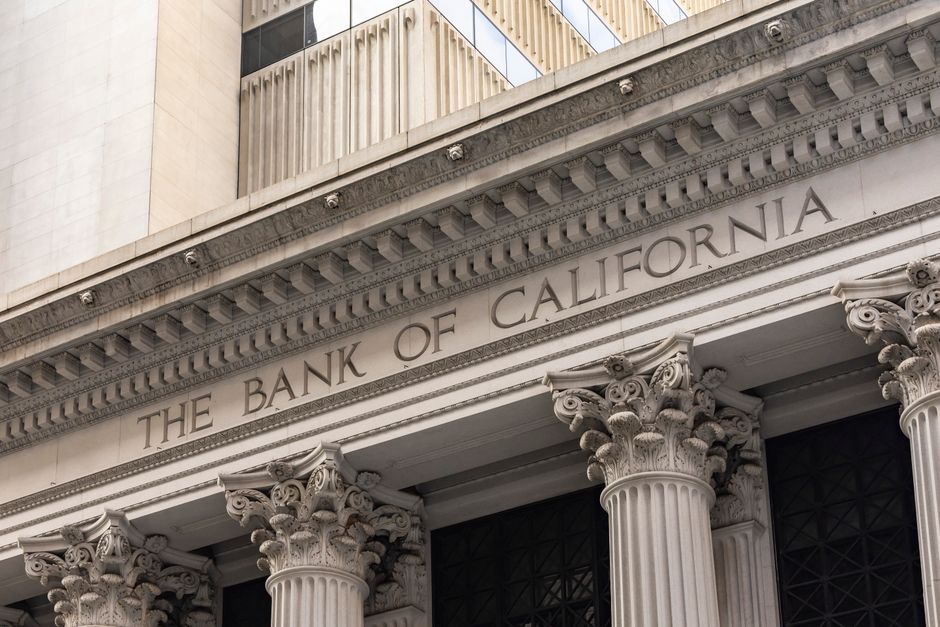
You might be wondering which high yield savings accounts are FDIC insured. The clean answer: FDIC insurance applies to deposits at FDIC-insured banks. It doesn’t apply just because an account is called “savings.” It doesn’t apply because a website looks like a bank. And it doesn’t apply because a product shows up next to a bank product.
The FDIC says you can use its BankFind Suite to confirm whether a bank is FDIC-insured. You can search by the bank’s name, FDIC certificate number, web address, location, or branch office. The tool shows current and historical information about FDIC-insured institutions. Run this check before you share personal information or send money.
The FDIC also warns about scams that use fake bank websites, malicious apps, texts, emails, and phone calls. If an offer reaches you that way, slow down. A real rate will still be there tomorrow. A scam usually wants you to hurry.
If you still have questions about your coverage, you can call the FDIC at 1-877-275-3342 (1-877-ASK-FDIC). That’s a lot cheaper than guessing.
Don’t assume a financial company is a bank just because it advertises an account with a rate. You have two separate questions. Which bank holds the deposit? Is the thing you’re opening actually a deposit account? Get both answers before your money leaves your current account.
Where a high yield savings account may fit
| This fits if | Think twice if |
|---|---|
| You want a traditional deposit account and plan to confirm the bank is FDIC-insured. | You can’t identify the bank that will hold your deposit. |
| You understand that interest can compound when it’s paid on principal and accumulated interest. | You’re treating the stated rate as the only detail that matters. |
| You can look up the provider in the FDIC’s BankFind Suite. | You’re being asked to send money before you’ve confirmed the bank or website is legitimate. |
| The product is a deposit, such as a savings account or money market deposit account. | The product is something the bank offers that isn’t a deposit, which the FDIC doesn’t insure. |
This isn’t a hunt for a magic account. It’s about making a clean comparison. When you ask yourself what high yield savings account you should open, start with the boring questions. Boring questions protect money surprisingly well. I like boring questions.
The 1% Fix
Here’s the one habit. Before you move any money, spend a few minutes checking the bank in the FDIC’s BankFind Suite. Match the bank name or web address to what’s on your screen. Then confirm you’re opening a deposit account at that FDIC-insured bank.
That’s it. This habit won’t tell you which rate is best. It does help you avoid mistaking something else for a bank deposit. Small effort, real payoff. It’s the financial version of checking the stove before you leave the house.
Checklist
- Identify the bank that will hold your money.
- Use the FDIC’s BankFind Suite to confirm the bank is FDIC-insured.
- Confirm the account is a deposit account, not another financial product.
- Read how interest is credited and whether accumulated interest stays in the account.
- Verify the website before you share personal information or send money.
- Call 1-877-ASK-FDIC if you’re unsure about your coverage.
FAQ
What is high yield savings account interest rate?
It’s the rate a savings deposit account pays when it’s marketed as high yield. There’s no federal cutoff for “high yield,” and this article doesn’t quote a current market rate. The useful follow-up questions are how interest is credited and whether your money sits in an FDIC-insured bank deposit account.
Why does compound interest matter in a high yield savings account?
Compound interest is interest paid on principal and on accumulated interest. If you leave interest in the account, later interest can be figured on a balance that already includes earlier interest. The actual amount depends on the account’s terms and your balance.
What high yield savings accounts are FDIC insured?
Deposits held at FDIC-insured banks. The FDIC says coverage is automatic when you open traditional deposit accounts at an FDIC-insured bank. Check the bank yourself in BankFind, and confirm that the specific account is a deposit account.
What high yield savings account should I open?
Start by confirming the bank and the account type, not just the label. Use the FDIC’s BankFind Suite to check whether the bank is insured, then read the account’s interest terms. If the provider can’t clearly name the bank holding your deposit, I’d wait before sending money.
Related on Longview Desk
Not financial advice: This article is general education about personal finance and does not consider your income, taxes, debts, or goals. Limits, rates, and rules change; confirm current figures with the official sources linked above, or talk with a qualified tax or financial professional, before you act.
This article was written by the site’s author with the assistance of AI tools, and reviewed before publication.