At a glance
- The number: FDIC deposit insurance applies to deposits held at FDIC-insured banks.
- What changed: A high-yield label does not replace checking the bank and the account type.
- What to do: Confirm the bank in FDIC BankFind before sharing information or sending money.
Is the high yield savings account you found actually FDIC insured? You can answer that by checking the bank behind the offer and confirming that your money will sit in a deposit account there. “High yield” describes the rate pitch, not the insurance. The FDIC’s deposit insurance page says coverage applies to deposits at FDIC-insured banks, and that coverage is automatic when you open one of those deposit accounts at an insured bank.
So, what high yield savings accounts are FDIC insured? The ones that are deposit accounts held at FDIC-insured banks. Both halves matter. A polished website, a tempting rate, or the word “savings” in an ad is not a verification method. That is what the FDIC’s BankFind Suite is for. It costs you nothing but a few minutes, which is a bargain by banking standards.
What the FDIC insures
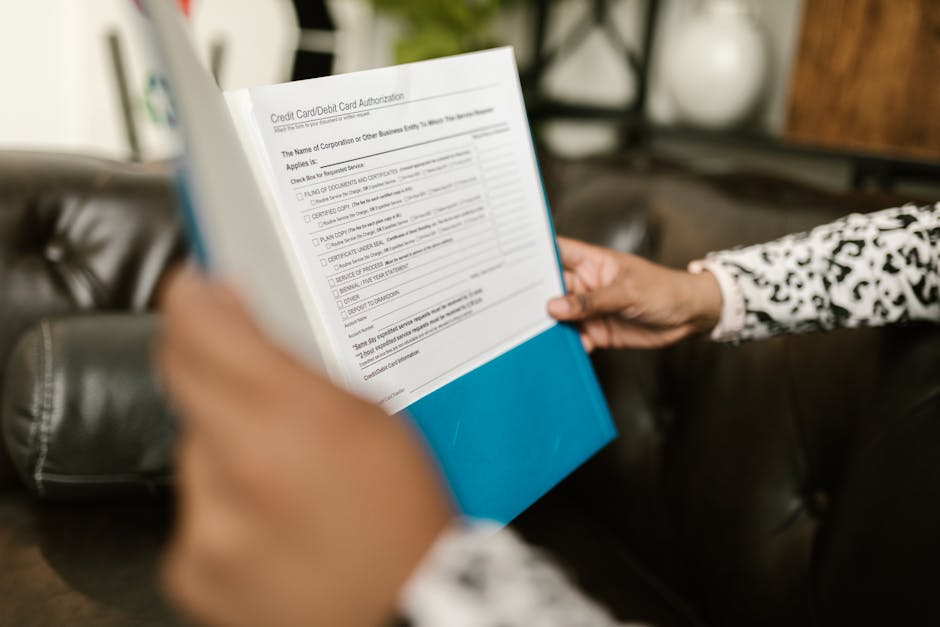
The FDIC protects money you hold in traditional deposit accounts at FDIC-insured banks. Its page lists money market deposit accounts (MMDAs) among those accounts. It also draws a line you will want to remember: banks offer some financial products and services that are not deposits, and the FDIC does not insure them. A bank being insured does not make everything it sells insured.
That distinction helps when you see “high yield” stapled to several offers. Your job is not to judge the name. Ask where your money will be held and what kind of account you are opening. If the answer is a deposit account at an FDIC-insured bank, the FDIC says deposit insurance is automatic. You do not need a special high-yield version of insurance. Banking has enough paperwork already.
This article does not quote a coverage-limit figure, and you should not read the worked example below as a coverage test. For your own balances, use the FDIC’s deposit insurance resources or call the FDIC at 1-877-275-3342 (1-877-ASK-FDIC) to determine your coverage. The example shows how to sort an offer, not how much of your balance is covered.
The 1% Fix
Make this your single habit: before you send money to a new high yield savings account, look up the bank in the FDIC’s BankFind Suite. The “1%” is a nudge to give verification a small, fixed place in your routine. It is not a promised return and not a measure of insurance. You are checking the institution rather than trusting the branding.
The FDIC says BankFind lets you search by the bank’s name, FDIC certificate number, web address, location, or branch office, and it returns current and historical information about insured institutions. That gives you a practical next step when the name in an ad and the name on the account paperwork do not obviously match. Confirm which institution will hold your deposit. Then confirm that the product is a deposit account. Do both before sharing personal information or sending money.
The FDIC also warns about scams involving fake bank websites, malicious apps, texts, emails, and phone calls. That is another reason to check the institution yourself rather than treating a link in a message as proof. A convincing page can look convincing. Very helpful of it. Your check should establish that you are dealing with a legitimate FDIC-insured bank, using the FDIC’s tool rather than the offer’s own claims.
You can follow the money through these decisions before you open the account.
What a worked example can and cannot show

Suppose you are sorting several offers and want a simple way to see what matters. The table below is an illustration only. It uses made-up USD balances. It assumes you have already identified the institution and the account type for each row. It does not assume an interest rate, calculate interest, or state an FDIC coverage limit. Your actual coverage depends on your circumstances, which this illustration does not establish.
| Illustrative offer | Illustrative amount (USD) | Assumption | What you can conclude |
|---|---|---|---|
| Savings deposit | $1,000 | You hold a deposit account at an FDIC-insured bank. | FDIC deposit insurance applies; this row does not determine your coverage amount. |
| Money market deposit account | $2,500 | You hold the deposit account at an FDIC-insured bank. | The FDIC lists MMDAs as traditional deposit accounts; this row does not determine your coverage amount. |
| Other bank-offered product | $5,000 | You have confirmed that the product is not a deposit. | The FDIC does not insure it just because a bank offers it. |
Notice what the dollar amounts do not do. They do not turn a nondeposit into a deposit, and they do not prove that an institution is insured. You could change every balance in the table and still need the same checks. First identify the bank. Then identify where the money sits. Only after that should you ask a separate, personal coverage question, and the FDIC’s phone line exists for exactly that.
When this check fits and when to pause
Use the table below to keep the caveats in one place. “Think twice” means stop and verify, not that every unfamiliar offer is improper. The FDIC says large and small banks across the country offer insured deposit accounts. Size and familiarity are not substitutes for checking.
| This fits if | Think twice if |
|---|---|
| You can identify the bank holding your deposit and confirm it is FDIC-insured in BankFind. | You cannot establish which institution will receive your money. |
| You have confirmed that the high yield savings account is a deposit account at that bank. | The offer is a different bank-provided product that is not a deposit. |
| You can verify the institution before providing personal information or sending money. | A website, app, text, email, or call is pressing you to proceed without that check. |
If an offer lands in the right-hand column, you do not need to guess from its name. Use the FDIC page to check the bank, or call the FDIC about your coverage. If the account paperwork still does not make clear whether you are placing money in a deposit account, pause rather than filling the gap with optimism.
Checklist
- You identify the bank that will hold the money, not just the name used to advertise the offer.
- You check that bank through the FDIC’s BankFind Suite by name, certificate number, web address, location, or branch.
- You confirm that the account is a deposit account at that FDIC-insured bank.
- You pause before sharing personal information or sending money if the institution or website cannot be verified.
- You call the FDIC at 1-877-275-3342 if your specific coverage question remains unresolved.
FAQ
Does “high yield” mean a savings account is FDIC insured?
No. The words “high yield” do not establish insurance. You need to confirm that your money is in a deposit account at an FDIC-insured bank. Once you open one of those deposit accounts there, the FDIC says coverage is automatic. You do not have to infer coverage from the rate, the advertising, or how familiar the name sounds.
How do you check whether the bank is FDIC insured?
Use the FDIC’s BankFind Suite, which the FDIC points to from its deposit insurance page. You can search by the bank’s name, FDIC certificate number, web address, location, or branch office. The goal is to confirm the institution that will actually hold your deposit before you provide information or move money. If a message or website names a bank you cannot verify, stop there until you can.
Is every product offered by an FDIC-insured bank covered?
No. The FDIC says banks offer some products and services that are not deposits, and it does not insure those. That is why checking the bank alone is not the whole job. You also need to establish that the offer places your money in a deposit account. A bank’s insured status does not change the nature of a different product it sells.
Can you tell your exact coverage from this example?
No. The dollar figures above are illustration assumptions, not a statement of insurance limits or a determination about your accounts. For a question about your particular deposit insurance coverage, use the FDIC’s resources or call 1-877-275-3342 (1-877-ASK-FDIC). You can make the basic bank-and-deposit check yourself without pretending the example answers a more personal question.
A high yield savings account does not need to come from a famous bank to be eligible for FDIC deposit insurance. You just need to verify the institution and the deposit account instead of trusting the label. Do that before the transfer, while your money is still where you can easily pause. It is a modest habit. It asks the offer to clear a more useful hurdle than looking official.
Related on Longview Desk
Not financial advice: This article is general education about personal finance and does not consider your income, taxes, debts, or goals. Limits, rates, and rules change; confirm current figures with the official sources linked above, or talk with a qualified tax or financial professional, before you act.
This article was written by the site’s author with the assistance of AI tools, and reviewed before publication.