Author: Wren Aldo

  • Hyde Park NY Bed and Breakfast: Plan an Unhurried Stay

    At a glance

    • Where: Hyde Park is a Hudson Valley town about a 1.5 hour drive from New York City.
    • Why go: The town is the birthplace of Franklin D. Roosevelt and home to a national historic site.
    • What to plan: Check the National Park Service park map and visit information before you arrive.

    Could a Hyde Park NY bed and breakfast stay be the quiet Hudson Valley pause you want after leaving New York City? When people search that phrase, they are usually looking for a place to sleep near Hyde Park, New York, close to the historic sites, gardens, museums and food stops of the wider Hudson Valley. Our sources don’t list individual inns, rates or amenities. So the useful answer is simpler: pick lodging that leaves room for an unhurried day centered on the Home of Franklin D. Roosevelt National Historic Site, then confirm current details directly with the property you’re considering.

    Hyde Park sits in Roosevelt country, where a small town casts a long historical shadow. The National Park Service describes the surrounding Hudson Valley National Heritage Area as a region of museums, historic houses, gardens, nature preserves and “culinary adventures.” A bed-and-breakfast-style stay makes sense if you don’t want a packed itinerary. It gives you a base for exploring at your own pace.

    What a Hyde Park NY Bed and Breakfast Search Means

    Historic estate grounds near Hyde Park in the Hudson Valley
    Photo by Marije Kouyzer on Pexels

    When you type “hyde park ny bed and breakfast,” you’re likely looking for more than a room. You may be comparing Hyde Park NY hotels and inns or checking how close a place is to the Roosevelt site. You may also be checking whether a search for “Hyde Park NYC” is actually pointing you to this Hudson Valley town. It isn’t in the city: the National Park Service places the site midway between New York City and Albany.

    The National Park Service lists the historic site at 4097 Albany Post Rd, Hyde Park, NY 12538. That answers a common question: what is the Hyde Park NY ZIP code for the area’s main visitor destination? It’s 12538.

    The official sources don’t include a list of places to stay. So don’t assume that a particular inn is open, serves breakfast, allows a certain arrival time or charges a particular price. Treat your lodging search as the evening end of a day spent outdoors and in historic places. Then confirm the details that matter most to you with the property itself: availability, accessibility, meals, parking and cancellation terms.

    One Slow Day in Hyde Park

    Morning: leave New York City without racing the clock

    You leave New York City early and watch the city thin out into the Hudson Valley. The National Park Service directions place the Roosevelt National Historic Site midway between New York City and Albany, about a 1.5 hour drive from either direction. That makes Hyde Park a realistic slow-road destination for an overnight stay or a deliberately early start.

    The last stretch gives you a simple landmark. The same NPS page puts the site approximately 5 miles (8 km) north of Poughkeepsie along Route 9. Once you pass Poughkeepsie, you know you’re close, and the pace of the day can drop a gear. The directions page doesn’t give a mileage figure from New York City, so plan around the drive time rather than an assumed distance.

    As you get closer, resist the urge to turn the day into a checklist. The National Park Service itself calls Hyde Park a small town, and the region around it gives you room to choose how much history, walking, garden time or sitting still belongs in your day.

    Midday: get your bearings at the Roosevelt site

    Make the Home of Franklin D. Roosevelt National Historic Site the center of your day. This is the birthplace of Franklin D. Roosevelt. The National Park Service suggests looking at its online park map before you arrive. Pull it up before you set out or while you’re parked, and use it to plan a manageable visit instead of improvising every turn.

    The park’s planning page also covers the national parks and the presidential library in Hyde Park, and it asks visitors to follow park policies to keep the grounds clean and safe. Read those before you walk in, so you can spend your time looking around instead of guessing.

    Keep the address handy: 4097 Albany Post Rd, Hyde Park, NY 12538. It helps you tell the town apart from the wider Hudson Valley when you check directions, message a lodging host or work out how much time you have before dinner.

    Afternoon: explore a little farther, slowly

    After your time at the historic site, keep the afternoon loose. The National Park Service points beyond Hyde Park to museums, historic houses, gardens, nature preserves and food stops in the Hudson Valley National Heritage Area. Take that as an invitation to choose a single extra interest rather than chase every category.

    Maybe you spend more time with the park map and the setting. Maybe you treat Hyde Park as a pause between bigger destinations. The appeal is permission to leave some of the day open: a window seat, an unhurried drive, a long talk over dinner or an early return to where you’re staying.

    A slow day from New York City to Hyde ParkFlow diagram: Leave New York City for about a 1.5 hour drive north → Roosevelt National Historic Site in Hyde Park → Afternoon Hudson Valley stop: a garden, museum or preserve → Evening at your Hyde Park lodging. Note: The site is about 5 miles north of Poughkeepsie, midway between New York City and Albany.Leave New York City for about a 1.5 hourdrive northRoosevelt National Historic Site in HydeParkAfternoon Hudson Valley stop: a garden,museum or preserveEvening at your Hyde Park lodgingThe site is about 5 miles north ofPoughkeepsie, midway between New York City andAlbany.
    Diagram: A slow day from New York City to Hyde Park. Drawn from the official sources linked in this article; it adds no new data.

    Evening: make lodging the last stop, not an afterthought

    By evening, your Hyde Park NY bed and breakfast search is less about the label and more about how you want the day to end. Staying in or near town turns the visit into an overnight trip instead of a long drive home. If you’re comparing Hyde Park NY hotels and inns, use the Roosevelt site address and the day’s route as reference points, then confirm each property’s current details directly.

    For errands, some visitors search “Hyde Park NY Stop and Shop.” The official sources here don’t confirm a store location, hours or services, so don’t build your schedule around a stop you haven’t checked. Rely on the NPS visitor information and the site address.

    Is This Slow Road a Good Fit?
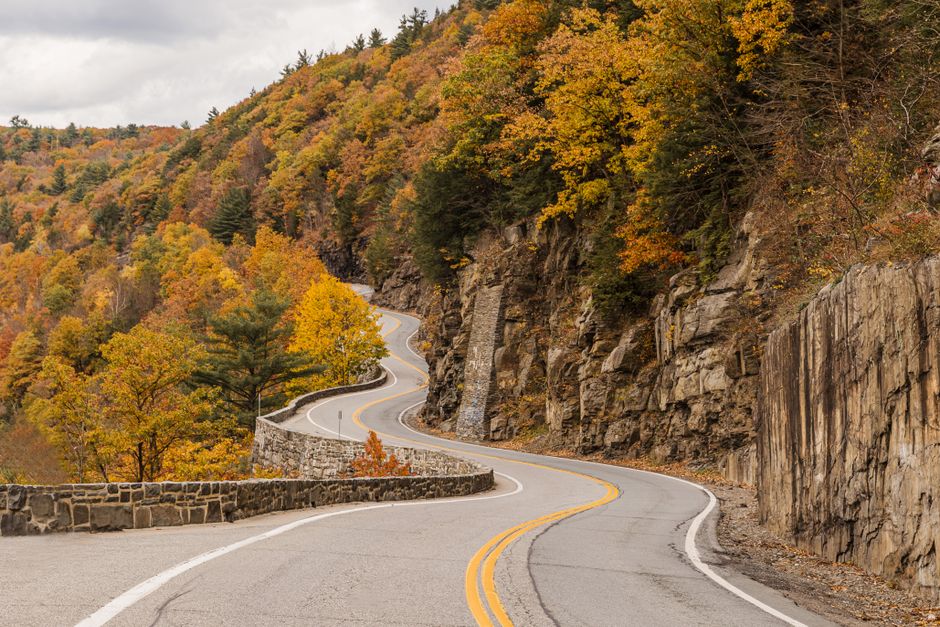
    A quiet Hudson Valley road near Hyde Park New York
    Photo by Veronika Bykovich on Pexels
    Good fit if Maybe skip if
    You want a Hudson Valley base near the birthplace of Franklin D. Roosevelt. You expect an official source to compare lodging prices, amenities or availability for you.
    You like a day shaped by historic houses, gardens, museums or nature preserves. You want a tightly scheduled visit with every local stop picked in advance.
    You’re coming from New York City and don’t mind a drive of about 1.5 hours. You’d rather not drive from New York City.

    Practical Details Before You Book

    Practical box

    • Getting there: The National Park Service directions page puts the Roosevelt site midway between New York City and Albany, about a 1.5 hour drive from either direction. It’s about 5 miles (8 km) north of Poughkeepsie along Route 9.
    • Cost: The National Park Service visit page doesn’t list lodging prices or other costs, and they vary. Confirm costs directly before you book.
    • Season: Check the official visit page and online park map before you arrive for current planning information, since conditions can change.

    FAQ

    What is Hyde Park NY known for?

    Hyde Park is the birthplace of Franklin D. Roosevelt and home to the Home of Franklin D. Roosevelt National Historic Site. The National Park Service also places it in a Hudson Valley region of museums, historic houses, gardens, nature preserves and food stops.

    What is Hyde Park NY zip code?

    The National Park Service lists the Home of Franklin D. Roosevelt National Historic Site at 4097 Albany Post Rd, Hyde Park, NY 12538. For a lodging reservation or another stop, confirm that place’s own address and ZIP code directly.

    How far is Hyde Park from New York City?

    The National Park Service says the Roosevelt National Historic Site is midway between New York City and Albany, about a 1.5 hour drive from either direction. The official directions page doesn’t give a mileage figure from New York City. It does place the site about 5 miles (8 km) north of Poughkeepsie.

    Does the National Park Service list Hyde Park NY hotels and inns?

    Not in the official pages used for this guide. Use the NPS pages to plan the historic-site part of your trip, and confirm lodging details directly with the place you’re considering.

    Related on Longview Desk


    This article was written by the site’s author with the assistance of AI tools, and reviewed before publication.

  • Hyde Park NY: Roosevelt Country on the Hudson

    At a glance

    • Where: Hyde Park is a small Hudson Valley town north of Poughkeepsie, home to the Franklin D. Roosevelt historic site.
    • Why go: The National Park Service points to presidential history plus museums, gardens, preserves, and culinary adventures in the wider region.
    • What to plan: Review the NPS park map and park policies before you arrive.

    What is Hyde Park NY like when you trade a hurried city day for a slower Hudson Valley pause? It is a small town with a large place in history. The National Park Service identifies Hyde Park as the birthplace of Franklin D. Roosevelt and places it inside a wider Hudson Valley landscape of museums, historic houses, gardens, nature preserves, and culinary adventures. If you are starting from New York City, it is less a place to race through than a place to give a shape to: a drive north, a historic site, an unhurried walk through the day, and an evening with room for the trip home or a longer stay.

    The official NPS directions place the Home of Franklin D. Roosevelt National Historic Site in Hyde Park, about 5 miles (8 km) north of Poughkeepsie along Route 9. The agency describes Hyde Park as midway between New York City and Albany, about a 1.5 hour drive from either direction. The official route source does not give a total mileage from New York City, so plan around that agency-provided driving time instead of a distance it does not publish.

    An unhurried drive from New York City to Hyde ParkFlow diagram: Leave New York City in the morning → Drive north to Hyde Park → Visit the FDR National Historic Site → Slow evening in Hyde Park. Note: NPS: Hyde Park is about a 1.5 hour drive from New York City.Leave New York City in the morningDrive north to Hyde ParkVisit the FDR National Historic SiteSlow evening in Hyde ParkNPS: Hyde Park is about a 1.5 hour drive fromNew York City.
    Diagram: An unhurried drive from New York City to Hyde Park. Drawn from the official sources linked in this article; it adds no new data.

    What Hyde Park Feels Like

    Historic home exterior in the Hudson Valley of New York
    Photo by Keith Ford on Pexels

    You leave New York City with the feeling that the day has widened before you have done anything at all. The road north is not a conquest or a checklist. It is the gradual shift from a city departure to a town whose name is tied closely to national history. Hyde Park is small, according to the NPS, but the agency also says there is much to do during a visit to Roosevelt’s birthplace.

    That combination is the most useful answer if you are asking what Hyde Park NY is like. A presidential historic site can be the center of your visit without being the only possible frame. The NPS points beyond town to the Hudson Valley National Heritage Area, a region it describes as home to museums, historic houses, gardens, nature preserves, and culinary adventures. You do not need to treat all of those as a to-do list. Their value is that they make room for a day that moves at your own pace.

    The practical center of the visit is the Home of Franklin D. Roosevelt National Historic Site, at 4097 Albany Post Rd, Hyde Park, NY 12538. That address also answers a common search about the Hyde Park NY zip code. The NPS lists the site under ZIP code 12538.

    One Slow Day in Hyde Park

    Morning: Leave New York City with an open schedule

    You start from New York City without turning the drive into a test of efficiency. The NPS places Hyde Park midway between New York City and Albany, about a 1.5 hour drive from either direction. That gives the day a useful scale. It is close enough for a focused outing, and far enough that an early, unforced departure makes the whole day gentler.

    Before you leave, open the NPS plan-your-visit page. The agency suggests getting oriented with its online park map before you arrive, and it asks visitors to follow park policies that help keep the site clean and safe. It is not glamorous preparation, but it lets you arrive ready to look around instead of hunting for the basics.

    Midday: Arrive at the Roosevelt historic site

    You come into Hyde Park on Route 9, about 5 miles (8 km) past Poughkeepsie, and let the historic site set the tempo. The NPS calls it the Home of Franklin D. Roosevelt National Historic Site, and it ties Hyde Park to Roosevelt’s birthplace. For a first visit, that is anchor enough. Skip the overpacked itinerary. Use the park map to understand the setting and let the official site guide the order of your time.

    The appeal here is not only the information the place holds. It is the change in scale. You are no longer measuring the day by subway arrivals, meeting times, or how many blocks fit between appointments. You are standing in a town where national history has a street address, and where an afternoon can be organized around attention.

    Afternoon: Let the wider Hudson Valley into the plan

    After the Roosevelt site, you decide whether the day needs another stop or just more breathing room. The NPS describes the surrounding Hudson Valley National Heritage Area as home to museums, historic houses, gardens, nature preserves, and culinary adventures. Those categories are broad, and that is what makes them useful. They help you picture the kind of afternoon you want without suggesting that every visitor needs the same route.

    You might choose history again, look for a garden to slow down in, or save your energy for an easy meal. The official sources do not rank local businesses, so keep your plans flexible and confirm details directly before you go. Based on the NPS material, Hyde Park works best as a base for a day you choose on purpose, not as a promise that every interest sits in one small area.

    Evening: Keep the ending simple

    As evening comes, you can head back toward New York City or stretch the trip into an overnight stay. The NPS directions are still your reference for the return: Hyde Park is about a 1.5 hour drive from New York City. If you stay, make the choice a practical one. Confirm availability and current terms directly with any property you are considering.

    There is a particular relief in ending a slow-travel day without forcing in one more landmark. Hyde Park’s strongest invitation is not urgency. It is the chance to hold presidential history, a small-town setting, and the broader Hudson Valley in the same frame.

    Is Hyde Park the Right Kind of Slow Day?

    Quiet country road winding through the Hudson Valley
    Photo by Veronika Bykovich on Pexels
    Good fit if Maybe skip if
    You want a drive from New York City centered on the birthplace of Franklin D. Roosevelt. You want a door-to-door mileage figure from an official source before you commit. The NPS gives only drive time from New York City.
    You like building a day around historic houses, museums, gardens, preserves, or food in the wider Hudson Valley. You want every local stop, business detail, and current price confirmed in a single official source.
    You are willing to review an official park map and park policies before you arrive. You would rather show up without checking visitor guidance or site policies.

    Practical Planning Notes

    Practical box

    • Getting there: The NPS directions page describes Hyde Park as about a 1.5 hour drive from New York City and about 5 miles (8 km) north of Poughkeepsie along Route 9.
    • Cost: Check the NPS plan-your-visit page before you budget. The official information here covers maps, planning, and policies, not prices.
    • Season: The official sources here do not include Hyde Park NY weather guidance, so check the official visitor page before you pick a date.

    FAQ

    What is Hyde Park NY like for a day trip from New York City?

    According to the NPS, Hyde Park is a small town known as the birthplace of Franklin D. Roosevelt. The agency describes it as about a 1.5 hour drive from New York City and places it in a Hudson Valley region with museums, historic houses, gardens, nature preserves, and culinary adventures.

    What is the Hyde Park NY zip code for the Roosevelt historic site?

    The NPS lists the Home of Franklin D. Roosevelt National Historic Site at 4097 Albany Post Rd, Hyde Park, NY 12538.

    Are there Hyde Park NY bed and breakfast options or hotels and inns?

    The official NPS pages used here do not list Hyde Park NY bed and breakfast properties, Hyde Park NY hotels and inns, or their availability. Confirm lodging details directly with any property before you make plans.

    What about Hyde Park NY weather or a Hyde Park NY Stop and Shop?

    The official sources used here do not cover weather or confirm a Hyde Park NY Stop and Shop location. For the historic-site part of your trip, use the official NPS planning page for the park map and policies.

    Related on Longview Desk


    This article was written by the site’s author with the assistance of AI tools, and reviewed before publication.
  • Catoctin Mountain Park and Camp David: Sorting the Names

    At a glance

    • Where: Catoctin Mountain Park is a National Park Service site a short drive from major population centers.
    • Why go: The park offers outdoor recreation for visitors of all ages and abilities and a place for rejuvenation.
    • What to plan: Start at the visitor center, expect crowds on some days or seasons, and reserve ahead for overnight stays.

    Is there a quiet, unhurried day waiting in the Maryland mountains if Camp David is what first put this place on your map? If you typed “catoctin mountain park camp david” into a search bar, here is the short answer. The official National Park Service material is about planning a visit to Catoctin Mountain Park. It does not give visitor details about Camp David. For a slow day, follow the park’s own advice: start at the visitor center, leave room for changing parking conditions, and let the day be about noticing the mountain’s pace, not ticking off stops.

    What the official park information covers

    A quiet wooded trail in Catoctin Mountain Park
    Photo by Viviana Camacho on Pexels

    The search phrase puts a park name next to Camp David, and that can leave you unsure what you can actually visit. The official park pages describe Catoctin Mountain Park as a place for outdoor recreation and rejuvenation, with experiences for visitors of all ages and abilities. They send you to the visitor center for a map and suggestions for hikes or other things to do.

    That is the most reliable place to start with this question. The official planning page offers no Camp David visiting instructions, access information, tour schedule, or separate route. Rather than fill those gaps with guesses, use the park page for what it does cover: visitor-center orientation, accessible areas, parking, restrooms, picnic areas, and the reservation rule for overnight stays.

    There is something fitting about that limit. You don’t need to turn an unfamiliar place into a scavenger hunt. You can arrive ready to ask for a map, hear the current suggestions, and pick the part of the park that suits the day you have.

    One Slow Day in Catoctin Mountain Park

    Morning: leave Washington, DC with an unhurried plan

    You pull away from the curb before the city is fully awake. The coffee is still too hot to drink, and the river shows silver through the trees along the parkway. Nothing about this morning needs to be fast.

    The official National Park Service directions give the route from Washington, DC: take the George Washington Memorial Parkway north to the I495 Beltway, then I270 north for 27 miles (43 km) to Frederick, MD. The directions don’t give a driving time, so leave extra time rather than planning around an exact arrival.

    You let the city fall away in stages: first the Beltway, then the long northbound stretch, then the moment the horizon starts to lift. The drive isn’t a race to a trailhead. The point is to arrive with enough attention left for the first stop that matters, the visitor center.

    A slow day from Washington, DC to Catoctin Mountain ParkFlow diagram: Washington, DC → Frederick, MD (27 miles on I270) → Visitor center: map and hike tips → Accessible trail, exhibit, or picnic area. Note: Official NPS directions give no driving time; leave margin and check parking on arrival.Washington, DCFrederick, MD (27 miles on I270)Visitor center: map and hike tipsAccessible trail, exhibit, or picnicareaOfficial NPS directions give no driving time;leave margin and check parking on arrival.
    Diagram: A slow day from Washington, DC to Catoctin Mountain Park. Drawn from the official sources linked in this article; it adds no new data.

    Midday: begin at the visitor center

    You step out of the car, and the air feels different: cooler, greener, quieter. Inside the visitor center you can pick up a park map and ask for suggestions for hikes or other things to do. This is where a broad search turns into a day with a shape. With a map, you can weigh your options against your energy, the conditions that day, and how long you want to be outside.

    The National Park Service warns that the park can be extremely busy depending on the day or season. It also notes that extra parking areas and restrooms are spread throughout the park. So the visitor center is more than a formality. It is your chance to ask what is working that day and to keep the rest of the outing flexible.

    Afternoon: choose an accessible, modest-scale pause

    The park lists several wheelchair-accessible areas: the visitor center, Spicebush Trail, Chestnut Picnic Area, the Sawmill exhibit, Camp Greentop, and Camp Round Meadow. Accessibility can be the backbone of your afternoon rather than an afterthought. Ask which of these places suits the weather and the time you have left, then settle on a route that doesn’t ask more than the day can give.

    Picture it: you stop beside the Sawmill exhibit, or follow Spicebush Trail with no target pace and no step count. Leaves move overhead. Your phone stays in your pocket longer than you expected.

    A slow day trip doesn’t need a grand finish. A trail, an exhibit, or a picnic area can be enough when you give it your full attention. Let go of the urge to prove you made the most of the drive. Let the park map and the visitor center’s suggestions narrow your choices.

    Evening: leave room for a picnic or an overnight plan

    The park has picnic areas. If this is a day trip, a picnic may be the natural close: a last pause to gather yourself before heading back toward Washington. You unwrap something simple, watch the light thin between the trunks, and notice that the drive home no longer feels like the point of the day.

    If you’re thinking about staying the night, the official park page says lodging is available inside the park but reservations are required for overnight stays. Treat that as a firm rule, not a footnote. A day visit can stay open-ended; an overnight stay needs planning ahead through the official park information. Either way, the day can end with a smaller ambition than it started with: one map, one chosen spot, and enough time to leave without rushing.

    Is this park day a good fit?

    An empty picnic table under trees in a Maryland park
    Photo by Masood Aslami on Pexels
    Good fit if Maybe skip if
    You want outdoor recreation and a place for rejuvenation. You need somewhere that won’t be busy; the park can be extremely busy depending on the day or season.
    You’re happy to start at the visitor center for a map and current suggestions. You won’t adjust if parking fills or check where the extra parking and restrooms are.
    You need wheelchair-accessible stops, such as Spicebush Trail or Chestnut Picnic Area. You’re hoping for Camp David visitor details; the official park page doesn’t provide them.
    You can plan ahead for an overnight stay. You expect to stay overnight without a reservation.

    Practical details before you go

    Practical box

    • Getting there: The official NPS directions describe the route from Washington, DC: the George Washington Memorial Parkway north to I495, then I270 north for 27 miles (43 km) to Frederick, MD. No driving time is given.
    • Cost: The NPS planning page doesn’t list an entry fee or overnight price. Check the official park information when you book.
    • Season: The NPS says the park can be extremely busy depending on the day or season, so be ready to use other parking areas and restrooms.

    For the most grounded version of this trip, keep your expectations close to what the official source supports. Catoctin Mountain Park is the destination the planning page describes. The visitor center is the recommended first stop. Accessible areas, picnic areas, parking, restrooms, and overnight stays that need a reservation are the visitor basics the park lays out.

    Camp David may be why the phrase showed up in your search bar, but the park pages don’t turn it into a Camp David visit plan. What they offer is more useful today: a way to spend a measured day in Catoctin Mountain Park without needing every question answered before you arrive. I like that kind of trip. It asks for a map and an open afternoon, nothing more.

    FAQ

    What is Catoctin Mountain Park?

    According to the National Park Service, Catoctin Mountain Park offers a variety of outdoor recreation for visitors of all ages and abilities, as well as a place for rejuvenation. It is a short drive from major population centers.

    Does the official park page explain how to visit Camp David?

    No. The official Catoctin Mountain Park planning page covers visiting the park, but it gives no Camp David visitor instructions or access details.

    How far is Catoctin Mountain Park from Washington, DC?

    The official NPS directions describe I270 north for 27 miles (43 km) to Frederick, MD, after the George Washington Memorial Parkway and I495. They don’t give a total driving time.

    Can you stay overnight in the park?

    Yes. Lodging is available inside the park, but the National Park Service says reservations are required for overnight stays. Check the official planning page before you plan to stay the night.

    Related on Longview Desk


    This article was written by the site’s author with the assistance of AI tools, and reviewed before publication.

  • Catoctin Mountain Park Visitor Center: First Stop Guide

    At a glance

    • Where: Catoctin Mountain Park, reached on official NPS directions that go north from Washington DC by way of Frederick, MD.
    • Why go: The park offers outdoor recreation for visitors of all ages and abilities and a place to recharge.
    • What to plan: Start at the visitor center for a map, and reserve ahead if you want to stay overnight.

    What can the Catoctin Mountain Park visitor center give you before a slow day outdoors? The National Park Service names it as the place to start. You can pick up a park map there and ask for recommendations for hikes or other things to do. You don’t need a packed list or a tight schedule. You can start with a question and a map, and let the day take shape from there.

    If you searched for “catoctin mountain park visitor center,” that is the core answer. The visitor center is where you get your bearings in Catoctin Mountain Park. It is also an accessible place to begin, because the NPS lists the Visitor Center among the park areas that are accessible by wheelchair.

    The NPS describes the park as a short drive from major population centers. That makes it a good fit for a one-day trip from the East Coast. If you’re starting in Washington, DC, the official directions take you north out of the city and then 27 miles (43 km) up the interstate to Frederick, MD. That figure covers only that stretch of road, not the whole trip, so check the directions page for the rest of the way.

    One Slow Day in Catoctin Mountain Park

    Wooded path leading toward a park visitor center in Maryland
    Photo by Viviana Camacho on Pexels

    Morning: You leave Washington, DC before the city gets loud. You have no reservation to rush toward and no list to finish. The official NPS directions take you up the George Washington Memorial Parkway, onto the I-495 beltway, and then north on I-270 for 27 miles (43 km) to Frederick, MD. Follow the same page for the final leg into the park. The road itself is part of the slowing down, as the traffic thins out behind you.

    Midday: Your first stop is the Catoctin Mountain Park visitor center. You pick up a map and ask what the trails are like today. The NPS recommends starting here, and it makes sense: the park offers outdoor recreation for visitors of all ages and abilities, plus what the NPS calls “a place for rejuvenation.” With a map in hand, you can choose from what the day actually offers instead of what you guessed at home.

    Afternoon: You take the suggestion that fits your pace. The NPS warns that the park can be extremely busy depending on the day or season, so you leave room to change course. The planning page also points out that the park has additional parking areas and restrooms. If one spot is full, your day isn’t ruined. It just becomes a different kind of day.

    Accessibility can also shape your afternoon. The NPS lists these wheelchair-accessible areas: the Visitor Center, Spicebush Trail, Chestnut Picnic Area, the Sawmill exhibit, Camp Greentop, and Camp Round Meadow. If you need step-free routes, you have a clear set of places to ask about at the desk.

    Evening: You end the day at a picnic area as the light turns gold, or you settle into lodging you booked weeks ago. The park has both lodging and picnic areas, but overnight stays require reservations. On a day trip, you simply drive home with the quiet still with you. For a longer stay, plan before you leave rather than hoping a spot opens up at dusk.

    A slow day from Washington DC to Catoctin Mountain ParkFlow diagram: Leave Washington DC heading north → Drive north 27 miles to Frederick, MD → Visitor center: pick up a map and hike tips → Picnic area, or lodging you reserved. Note: Overnight stays in the park require reservations.Leave Washington DC heading northDrive north 27 miles to Frederick, MDVisitor center: pick up a map and hiketipsPicnic area, or lodging you reservedOvernight stays in the park requirereservations.
    Diagram: A slow day from Washington DC to Catoctin Mountain Park. Drawn from the official sources linked in this article; it adds no new data.

    Practical box

    • Getting there: From Washington, DC, follow the official NPS directions, which include 27 miles (43 km) north on I-270 to Frederick, MD. The final leg into the park is on the same page.
    • Cost: Our sources don’t list fees. Check the official planning page for current details, and note that overnight stays require reservations.
    • Season: The NPS advises that the park can be extremely busy depending on the day or season, so allow extra time.

    Choose the pace that fits

    A slow day here doesn’t mean doing less for its own sake. It is a way to put the official advice into practice. Start where the maps and recommendations are, expect busy periods, and stay flexible enough to choose among the park’s recreation options. That is why the visitor center matters: it starts your day with good information.

    The table below gathers the main cautions from the NPS planning page in one place. If you’re unsure, I’d take the busy-day warning seriously and keep your afternoon loose.

    Good fit if Maybe skip if
    You want to begin with a park map and recommendations for hikes or other things to do. You want to stay overnight but haven’t made the required reservation.
    You can change plans if parking areas or other parts of the park are busy. You need a trip with no chance of an extremely busy day or season.
    You want to ask about the wheelchair-accessible areas the NPS lists, such as Spicebush Trail. You expect that list to cover every area of the park.

    Why the visitor center is the useful first stop

    Empty picnic table under trees in a mountain park
    Photo by Masood Aslami on Pexels

    It’s a relief not to have to know everything before you arrive. You walk into a place built to help visitors find their way, not to test whether they prepared perfectly. The NPS sends visitors to the Catoctin Mountain Park visitor center first because that is where the map and the recommendations are. On a first trip, that advice is worth more than an overconfident itinerary.

    It also lets you adjust as you go. If the park is busy, the map can help you find other parking areas and restrooms. If you’re using a wheelchair, the visitor center is itself one of the accessible areas the NPS lists, and staff can point you toward the others. If you’re thinking about staying overnight, it’s a reminder that lodging requires reservations.

    For readers coming from New York or Boston, the same advice applies once you’re in Maryland. Our only official route source gives directions from Washington, DC, so use the NPS directions page to plan the rest of your trip rather than relying on an estimate.

    The phrase “catoctin mountain park camp david” often shows up next to the park’s name in searches. The official NPS pages behind this guide don’t cover Camp David. They focus on visitor logistics: recreation, maps, hikes, parking, restrooms, accessible areas, lodging, and picnic areas. For a visit to the park, the visitor center is still the best place to learn what is open to you.

    FAQ

    What is the Catoctin Mountain Park visitor center?

    It’s where the NPS recommends you start a visit to Catoctin Mountain Park. You can pick up a park map there and get recommendations for hikes or other things to do. The NPS also lists the Visitor Center as wheelchair accessible.

    How do you get to Catoctin Mountain Park from Washington, DC?

    The official NPS directions take you north on the George Washington Memorial Parkway, onto the I-495 beltway, and then 27 miles (43 km) north on I-270 to Frederick, MD. Use that page for the final stretch into the park.

    Do you need reservations for Catoctin Mountain Park?

    You need reservations to stay overnight. The NPS says the park has lodging and picnic areas, and that overnight stays require reservations.

    When is the best season to visit Catoctin Mountain Park?

    The NPS planning page doesn’t name a single best season. It does warn that the park can be extremely busy depending on the day or season. Whenever you go, keep your plans flexible and stop at the visitor center first.

    Related on Longview Desk


    This article was written by the site’s author with the assistance of AI tools, and reviewed before publication.

  • What Time Does Catoctin Mountain Park Open?

    At a glance

    • Where: Catoctin Mountain Park is a short drive from major population centers.
    • Why go: The park offers outdoor recreation experiences and a place for rejuvenation.
    • What to plan: Start at the visitor center for a park map and recommendations for hikes or other things to do.

    What time does Catoctin Mountain Park open before you leave Washington, DC? The official Catoctin Mountain Park planning page is the place to confirm current hours, and the overview this guide draws on does not give a clock-time schedule. It does give you the shape of a good slow day: start at the visitor center, pick up a map, ask for ideas, and leave room for the park’s parking areas, restrooms, picnic areas, and a changing pace.

    What “open” means at Catoctin Mountain Park

    A quiet forest trail in Catoctin Mountain Park
    Photo by – Ryan on Pexels

    People who search “what time does Catoctin Mountain Park open” usually just want to know when to leave. The official park information starts with planning, though, not with a posted hour. So the useful answer is to check current details on the National Park Service planning page before you go, especially if your day depends on the visitor center.

    The park describes itself as offering outdoor recreation experiences for visitors of all ages and abilities, and as a place for rejuvenation. That wording suits a day with some slack in it. You are not arriving to rush through a checklist. You are arriving to notice whether the lot feels full, whether a trail recommendation suits the weather, and whether a picnic table turns out to be the best part of the day.

    The visitor center is the natural first stop because the National Park Service recommends starting there for a map and recommendations for hikes or other things to do. It is also a good place to ask about the details that can change: the day’s conditions, parking, restrooms, and the best options for the time you have.

    One Slow Day in Catoctin Mountain Park

    Morning: leave Washington, DC with room to linger

    You pull away from Washington, DC knowing the day doesn’t need to be packed tight. The official National Park Service directions say to take the George Washington Memorial Parkway north to the I495 beltway, then I270 north for 27 miles (43 km) to Frederick, MD. That excerpt covers only the 27-mile (43-km) stretch to Frederick. It gives no driving-time estimate and no mileage from Frederick to the park.

    A slow route from Washington DC toward Catoctin Mountain ParkFlow diagram: Washington DC → George Washington Memorial Parkway → Frederick, MD — 27 miles → Visitor center → Picnic area. Note: The official directions excerpt ends at Frederick, MD.Washington DCGeorge Washington Memorial ParkwayFrederick, MD — 27 milesVisitor centerPicnic areaThe official directions excerpt ends atFrederick, MD.
    Diagram: A slow route from Washington DC toward Catoctin Mountain Park. Drawn from the official sources linked in this article; it adds no new data.

    Keep that gap in mind. A slow-road plan works better when you don’t treat a partial mileage listing as an exact promise. Use the official route as your starting line, then let the park’s current planning information shape the rest of the day.

    Midday: begin at the Catoctin Mountain Park visitor center

    You arrive ready to ask one small question at a time. Where can you park? Which hike or other activity fits today? Where are the restrooms? The official planning page says the park can be extremely busy depending on the day or season, and it points visitors to additional parking areas and restrooms throughout the park.

    At the Catoctin Mountain Park visitor center, pick up the map before you decide on the afternoon. A paper map changes the rhythm of a day. Instead of treating every turn as an obligation, you can see the park as a set of choices: a trail suggestion, a picnic area, an exhibit, or just a quieter place to stop.

    This is also where flexibility pays off in practice. If one parking area is busy, the National Park Service notes that there are others. If you need a restroom before setting out, the planning page says restrooms are located throughout the park. You don’t need a perfect itinerary. Let conditions on the ground decide what comes next.

    Afternoon: choose a pace, not a conquest

    You let the map and the current recommendations shape the afternoon. Catoctin Mountain Park’s official page describes a variety of outdoor recreation experiences and sends visitors to the visitor center for advice on hikes and other things to do. That’s reason enough not to show up with a rigid trail plan copied from somewhere else.

    Accessibility can be part of the plan. The National Park Service lists many wheelchair-accessible areas, including the visitor center, Spicebush Trail, Chestnut Picnic Area, the Sawmill exhibit, Camp Greentop, and Camp Round Meadow. A slow day can include a map stop, a scenic pause, and a break at a picnic area, as long as you don’t assume every part of the park has the same access.

    If the park feels crowded, don’t let the crowds become the whole story. Move to the next practical stop: another parking area, a restroom, a picnic area, or a different suggestion from the visitor center. The official guidance doesn’t promise an empty park. It does give you a way to move through a busy one with more patience.

    Evening: leave space for a picnic or an overnight plan

    As the light softens, keep the end of the day simple. The National Park Service says picnic areas are available in the park. On a day trip, that may be the natural endpoint: a meal, the map folded back into a pocket, and a quiet drive back toward Washington, DC.

    If you’re thinking about staying the night, the official planning page says lodging is available in the park but reservations are required for overnight stays. Treat that as a separate plan from a day visit, not something to figure out late in the afternoon. Check the current information directly before you build an overnight around it.

    Good fit, and when to reconsider

    A park visitor center map for planning a day outdoors
    Photo by Erik Mclean on Pexels
    Good fit if Maybe skip if
    You want to begin at the visitor center with a map and recommendations for hikes or other things to do. You need overnight lodging without making a reservation.
    You can stay flexible about parking and use the additional parking areas and restrooms the park mentions. You need every park location to be wheelchair accessible.
    You’re comfortable checking current official information instead of relying on a fixed clock time. You need a confirmed opening time before you’ll commit to the drive.

    Practical box

    • Getting there: From Washington, DC, the official directions list the George Washington Memorial Parkway, I495, and I270 north for 27 miles (43 km) to Frederick, MD.
    • Cost: The official planning information summarized here lists no price. It does say reservations are required for overnight stays.
    • Season: The National Park Service says the park can be extremely busy depending on the day or season, so check current details before you leave.

    FAQ

    What time does Catoctin Mountain Park open?

    The official planning overview this guide draws on doesn’t give a clock-time opening schedule. Check the current Catoctin Mountain Park planning page before you leave, especially if your visit depends on the visitor center.

    What can you do at the Catoctin Mountain Park visitor center?

    The National Park Service recommends starting at the visitor center, where you can pick up a park map and get recommendations for hikes or other things to do. The visitor center is also one of the areas the park lists as wheelchair accessible.

    Is Catoctin Mountain Park open during a shutdown?

    The official material this guide uses doesn’t cover shutdown status. For the current situation, check the official park planning page rather than assuming normal visitor services or access.

    Can you visit Catoctin Mountain Park Camp David?

    The National Park Service material this guide uses has no visitor-access details about Camp David. For a park day, go by the official planning page: visitor-center guidance, maps, hike recommendations, parking, restrooms, picnic areas, and the overnight reservation requirement.

    Related on Longview Desk


    This article was written by the site’s author with the assistance of AI tools, and reviewed before publication.

  • Catoctin Mountain Park Maryland: A Slow Day

    At a glance

    • Where: Catoctin Mountain Park is a National Park Service site reached from Washington, DC, by way of Frederick, Maryland.
    • Why go: The park offers hiking, fishing, camping, cross-country skiing, picnic areas, and a place for rejuvenation.
    • What to plan: Start at the visitor center, expect busy days, and reserve any overnight stay in advance.

    Where can you trade one weekend of screens for a slow outdoor day just beyond Washington, DC? Catoctin Mountain Park Maryland is one answer. It is a National Park Service site with outdoor recreation for visitors of all ages and abilities, including hiking, fishing, camping, and cross-country skiing. Instead of treating it as a checklist of sights, you can plan an unhurried day: a trail choice, a picnic pause, and a drive home before evening.

    From Washington, DC, the official National Park Service directions send you north on the George Washington Memorial Parkway, then to the I-495 Beltway and north on I-270 toward Frederick, Maryland: 27 miles to Frederick, or 27 miles (43.5 km). That mileage runs to Frederick, not door to door to the park. Leave time for the last part of the drive, for parking, and for a stop at the visitor center.

    What Catoctin Mountain Park Maryland is

    A quiet wooded trail in Catoctin Mountain Park Maryland
    Photo by Viviana Camacho on Pexels

    The National Park Service manages Catoctin Mountain Park. The agency describes it as a place with a variety of outdoor recreation and a place for rejuvenation, with activities from hiking and fishing to camping and cross-country skiing. That gives a fairly exact answer to “is Catoctin Mountain Park a national park?” It is an NPS-managed site named Catoctin Mountain Park. The official material in this pack does not give it any other designation, so its own name is the clearest one to use.

    If you are wondering what county Catoctin Mountain Park is in, the NPS planning and directions pages used here do not name one. They do name Frederick, Maryland, on the approach from Washington, DC. For an actual visit, the more useful first step is the official planning page. After that, start at the visitor center for a map and recommendations.

    The question “what is the Catoctin Mountain Park ecosystem?” also calls for restraint. The source describes activities and accessibility, but it does not describe the ecosystem scientifically. You can plan for an outdoor mountain-park setting and choose from the activities the NPS lists. For anything more, rely on current park information rather than assumptions.

    One Slow Day in Catoctin Mountain Park

    Morning: Leave Washington, DC, without making the road the destination

    You pull away from Washington, DC, while the day still feels open. The official route runs north 27 miles (43.5 km) to Frederick, Maryland, and past that point the scenery becomes your reason to slow down. The drive does not need to be a race against the clock. The NPS describes the park as a short drive from major population centers, which makes it a good fit for a day when the change of setting matters as much as any activity.

    When you reach the park, start at the visitor center. The NPS recommends it as the place to pick up a map and get recommendations for hikes or other things to do. This short first stop keeps the rest of the day flexible. You can ask which option suits the weather, the time you have, and the kind of walk you actually want.

    A slow day from Washington, DC to Catoctin Mountain ParkFlow diagram: Washington, DC → Frederick, MD: 27 miles → Visitor center for a map → Hike or picnic → Evening drive back. Note: Official NPS directions give the distance to Frederick, not to the park entrance; start at the visitor center.Washington, DCFrederick, MD: 27 milesVisitor center for a mapHike or picnicEvening drive backOfficial NPS directions give the distance toFrederick, not to the park entrance; start atthe visitor center.
    Diagram: A slow day from Washington, DC to Catoctin Mountain Park. Drawn from the official sources linked in this article; it adds no new data.

    Midday: Choose one outdoor thread

    You stand with the map folded in your hand and pick one activity instead of trying to cover the whole park. Hiking is one option, but the NPS lists others too: fishing, camping, cross-country skiing, picnic areas, and lodging. For a day trip, a walk followed by a meal at a picnic area can be the whole plan.

    The park’s visitor guidance is especially useful if your group needs accessible routes. The NPS lists several wheelchair-accessible areas: the Visitor Center, Spicebush Trail, Chestnut Picnic Area, the Sawmill exhibit, Camp Greentop, and Camp Round Meadow. Accessibility does not have to be an afterthought. It can shape the day from the start.

    Afternoon: Make room for a picnic and a second look

    You settle at a picnic area, listen for the ordinary sounds that city traffic drowns out, and let lunch take as long as it takes. The NPS notes that picnic areas are available within the park. Here a picnic does not have to be a short break between bigger plans. It can be the center of a slow afternoon, especially after a morning hike.

    Afterward, choose a second short outing or go back to the visitor center for another look at the map. According to the NPS, the park can be extremely busy depending on the day or season. Knowing where the additional parking areas and restrooms are can make a crowded day feel less rushed. It also lets you change plans instead of circling one favorite trailhead or treating a full lot as the end of the visit.

    Evening: Leave while the day still feels spacious

    You head back toward Washington, DC, satisfied that you did less but did it on purpose. The NPS notes that several other national parks and attractions are nearby, but a slow day does not need them. Save them for another trip. Catoctin Mountain Park works on its own: start at the visitor center, choose one outdoor activity, stop for a picnic, and leave without rushing.

    Practical box

    • Getting there: From Washington, DC, follow the official NPS directions north to Frederick, Maryland, a listed distance of 27 miles (43.5 km). Then allow time for the final stretch to the park.
    • Cost: The NPS planning page used here does not list prices. Costs vary, so check the official page. It does say that reservations are required for overnight stays.
    • Season: The NPS says the park can be extremely busy depending on the day or season. It lists cross-country skiing alongside warm-weather activities, so check current planning information before you leave.

    When this slow day fits

    Visitor center exterior at Catoctin Mountain Park Maryland
    Photo by Frans van Heerden on Pexels
    Good fit if Maybe skip if
    You want an outdoor recreation day within a short drive of major population centers. You need a visit with no chance of busy parking areas or changed plans.
    You are happy to start at the visitor center and choose a hike or other activity after getting recommendations. You prefer a fixed itinerary without stopping for a map or current park guidance.
    You can arrange an overnight stay ahead of time if lodging or camping is part of the plan. You expect to show up for an overnight stay without a reservation.
    Your group could use the accessible places the NPS identifies. You need accessibility information beyond the specific locations the NPS lists.

    Camping, lodging, and a more patient return

    Catoctin Mountain Park camping is a different kind of visit from the day described above. The NPS lists camping among the park’s recreational opportunities and says lodging and picnic areas are available within the park. But overnight stays require reservations, and that is the practical dividing line. A spontaneous day can start with a map at the visitor center. An overnight plan needs to be arranged before you arrive.

    If camping is the reason for the trip, start with the NPS Plan Your Visit page instead of assuming there will be space. The same page helps you understand the range of activities, find restrooms and extra parking, and plan around the accessible areas. It also notes that climate change affects the park, which is one more reason to check current conditions and adjust the day to what the park is going through.

    FAQ

    Is Catoctin Mountain Park open?

    The NPS material here does not give daily hours or a current open-or-closed status. Before you leave, check the official NPS planning information for the latest visit details.

    Is Catoctin Mountain Park a national park?

    The National Park Service manages it, and the official material calls it Catoctin Mountain Park. The source does not give it any other national-park designation.

    What county is Catoctin Mountain Park in?

    The official pages used here do not name a county. They give directions from Washington, DC, to Frederick, Maryland, and tell visitors to start at the park visitor center.

    What can you do at Catoctin Mountain Park?

    The NPS lists hiking, fishing, cross-country skiing, camping, lodging, and picnic areas. Start at the visitor center for a map and recommendations that fit the day you have.

    Related on Longview Desk


    This article was written by the site’s author with the assistance of AI tools, and reviewed before publication.

  • Where Are the Catoctin Mountains? A DC Slow Day

    If you’re asking “where are the Catoctin Mountains?”, start with Catoctin Mountain Park. It’s a National Park Service site you reach from Washington, DC, by heading north toward Frederick, Maryland. The official directions take you up the George Washington Memorial Parkway, onto I-495, then I-270 north for 27 miles (43 km) to Frederick, MD. After that the day can get smaller: a map in your hand, one trail to choose instead of a checklist, and some free time to notice the woods.

    Being within reach of the capital doesn’t mean Catoctin Mountain Park should be rushed. The National Park Service calls it a place for outdoor recreation and rejuvenation. Activities include hiking, fishing, cross-country skiing, camping and more. The NPS also says the park can be extremely busy depending on the day or season. So the question isn’t only where the Catoctin Mountains are. It’s also how you want to spend time there: a full afternoon, a picnic, a short accessible walk, or an overnight stay booked well ahead.

    For the clearest starting point, use the park’s official Plan Your Visit page. It tells visitors to begin at the visitor center, where you can pick up a park map and ask for suggestions on hikes and other activities. That first stop can shape the whole day. You arrive with a rough idea and leave with details that fit the weather, the parking and your own pace.

    One Slow Day in Catoctin Mountain Park

    A wooded trail at Catoctin Mountain Park in Maryland
    Photo by – Ryan on Pexels

    Morning: Leave Washington, DC, with room in the schedule

    You leave Washington, DC, before the day starts asking too much of you. The official National Park Service route starts on the George Washington Memorial Parkway north, then takes the I-495 Beltway to I-270 north. According to the route source, the I-270 stretch runs 27 miles (43 km) to Frederick, MD. The source doesn’t give a driving time, so leave room in your schedule rather than counting on the road.

    Open the official Catoctin Mountain Park directions before you leave, and use them for the last stretch from Frederick to the park. A slow day on the road works better with extra time: time for a stop, for a line at a parking area, or for picking a shorter walk once you arrive.

    As the city falls away behind you, don’t treat the drive as the first thing to get done. The road is just the way in. The day starts when you stop treating the destination as an errand.

    Midday: Start at the visitor center

    You step inside, pick up a map, and ask one question: what works today? The National Park Service recommends starting at the visitor center for maps and suggestions on hikes and other things to do. That helps most if it’s your first visit, if you have children with you, if you’re planning around mobility needs, or if you’d rather not make every decision on your phone.

    The park offers recreation for visitors of all ages and abilities. The National Park Service lists these wheelchair-accessible areas: the visitor center, Spicebush Trail, Chestnut Picnic Area, the Sawmill exhibit, Camp Greentop and Camp Round Meadow. Accessibility matters here, and it may be what makes a shared day possible. Ask at the visitor center which options make sense for the conditions when you arrive.

    Before you leave the building, look over the practical information. The NPS says the park can be extremely busy depending on the day or season, and that there are more parking areas and restrooms throughout the park. The map is more than a souvenir. It shows you other options before the first parking lot makes the plan for you.

    Afternoon: Choose one recreation, not all of them

    The NPS material in the source pack doesn’t describe the Catoctin Mountain Park ecosystem in detail, so this piece won’t guess at a scientific label for the landscape. What the NPS does make clear is that the park offers outdoor recreation, including hiking, fishing, cross-country skiing and camping. For one afternoon, that’s plenty.

    You might go for a hike and let the map decide how long. You might stop at the Sawmill exhibit, settle in at Chestnut Picnic Area, or take an accessible option like Spicebush Trail. The longest option isn’t always the best one. The best one leaves you time to look up, rest, and get back without the day feeling like an endurance test.

    If you came for a picnic, the park has picnic areas. If you came to walk, keep the visitor center’s suggestions handy. If you just want to be outdoors with no plan, that’s a fine way to spend the day too. The NPS calls Catoctin a place for rejuvenation, and rejuvenation doesn’t have to be a performance.

    Evening: Leave with an overnight idea, or leave before dark

    As the afternoon winds down, decide whether this is a day trip or the start of a longer stay. The National Park Service says lodging and picnic areas are available in the park, but overnight stays require reservations. For Catoctin Mountain Park camping or lodging, confirm your reservation first. Don’t assume there will be space when you arrive.

    If you’re not staying the night, let the evening be an easy exit. Put the map back in the car. Look over the route back toward Frederick and Washington, DC. A slow day doesn’t need a big finish. It can simply end with the sense that you’ve found a place to come back to in another season, with another person, or with more time.

    Practical box

    • Getting there: From Washington, DC, the official NPS directions take the George Washington Memorial Parkway north to I-495, then I-270 north for 27 miles (43 km) to Frederick, MD. Follow the official directions for the rest of the way to the park.
    • Cost: The official planning material doesn’t list costs, and fees can vary. Check the NPS Plan Your Visit page for current information before you go.
    • Season: The NPS says the park can be extremely busy depending on the day or season. Check the official planning page and stay flexible about parking and activities.

    Before You Go: Make the Day Easier

    Start at the visitor center instead of trying to plan the whole park from home. The NPS specifically recommends it as the place to get a map and suggestions. That works for a quick visit or a longer one, because it lets the actual day guide your choices.

    Have a backup plan. The official planning page notes that there are parking areas and restrooms throughout the park. If one area is crowded, a map and a second option can keep the day relaxed. If the first plan changes, you don’t need to give up on the trip.

    If you want to stay overnight, plan ahead. Lodging and picnic areas are available, but overnight stays require reservations. The official park planning page is the place to start. For a day trip from Washington, DC, the official 27-mile (43 km) stretch to Frederick gives you a clear first marker, even if not every part of a mountain day runs on schedule.

    FAQ

    Visitor center at Catoctin Mountain Park in Maryland
    Photo by Frans van Heerden on Pexels

    Where are the Catoctin Mountains?

    If you’re coming from Washington, DC, you reach Catoctin Mountain Park through Frederick, Maryland. The National Park Service directions go north on the George Washington Memorial Parkway, I-495 and I-270, including 27 miles (43 km) on I-270 to Frederick, MD. See the official NPS directions for the full route.

    What county is Catoctin Mountain Park in?

    The National Park Service material used here doesn’t name a county. For planning your visit, rely on the park’s official Plan Your Visit page and its official directions rather than an unsourced county listing.

    What is the Catoctin Mountain Park ecosystem?

    The NPS planning material doesn’t describe the ecosystem in detail. It does describe the park as a place for outdoor recreation and lists hiking, fishing, cross-country skiing, camping and other activities. The official planning page is the best place to start choosing how to spend your time there.

    Is Catoctin Mountain Park open?

    The material here doesn’t give current open or closed status. Before you leave, check the official NPS Plan Your Visit page for current visitor information, especially since the park can be extremely busy depending on the day or season.


    This article was written by the site’s author with the assistance of AI tools, and reviewed before publication.