At a glance
- Where: Delaware Water Gap National Recreation Area, a federally maintained park in Pennsylvania and New Jersey along the Delaware River.
- Why go: Appalachian Trail hiking, historic villages, boardwalk trails to waterfalls, and swim beaches, less than a 2-hour drive from New York City.
- What to plan: There is no entrance fee, but expanded amenity fee areas charge $10 per vehicle per day.
Is Delaware Water Gap National Park the right place for a quiet day away from New York City? The first thing to know is the name. The National Park Service calls it Delaware Water Gap National Recreation Area, and the land is maintained by the federal government even though it sits in two states, Pennsylvania and New Jersey. About 40 miles (64 km) of the Delaware River run through the park, with the Pocono Mountains rising on either side. What follows is a slow day built only from the activities the NPS lists, framed as a drive from New York City.
The name matters when you plan. Search for “national park” and you may wander through the wrong pages; look for “National Recreation Area” and you reach the NPS information on specific hiking trails, swim beaches, waterfall sites, accessibility, and pets. This is a large and well-loved landscape: the park’s planning document notes that it has received between 3.5 and 5 million visitors per year over the last 10 years. That is a good argument for choosing a few stops, in order, rather than carrying a checklist.
One Slow Day in Delaware Water Gap

Morning: Leave New York City before the day fills up
You pull away from the city while the light is still thin, and somewhere past the last overpass the road quiets and the ridgelines begin. The National Park Service’s visitor use management plan, the official route source for this trip, describes the recreation area as less than a 2-hour drive from New York City, and the same from Philadelphia. It does not publish a road mileage, so there is no honest miles (km) figure to attach here; your starting neighborhood and the stop you choose inside the park will shape the actual drive.
That choice is the morning’s real work. The NPS visit page points to information about specific places, such as hiking trails, swim beaches, and waterfall sites, rather than a single gate. Pick one trailhead or site as your first destination and a second as your afternoon anchor. Leave everything else optional. A slow day is not a short list of things to do; it is a long stretch of attention given to a few of them.
Midday: Walk a stretch of the Appalachian Trail
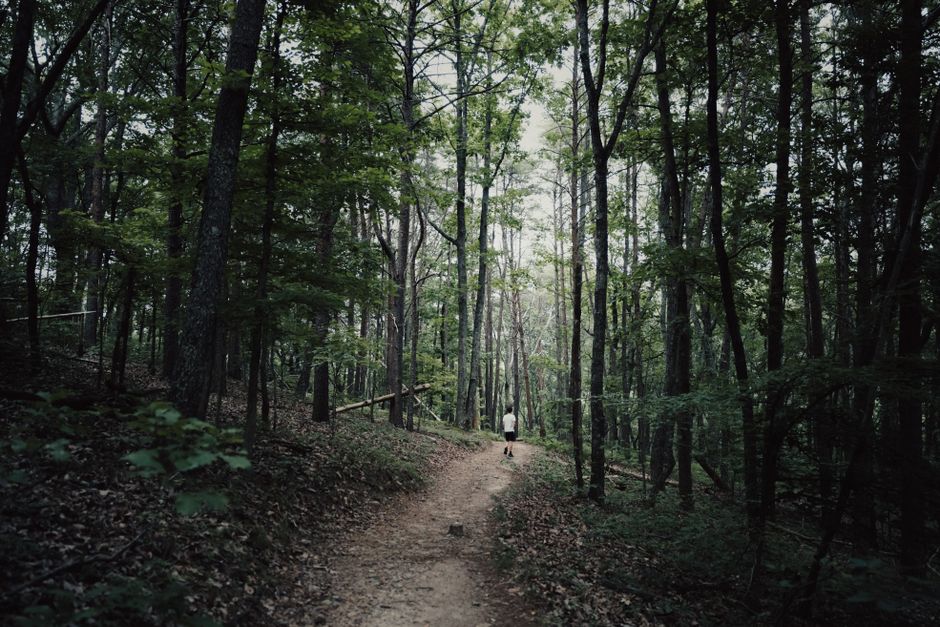
You step onto the path and the pace of the drive drains out of your legs. Hiking on the Appalachian National Scenic Trail is one of the activities the NPS names for the park, and a short out-and-back section makes a natural midday. You are not here to cover distance. You are here to notice the leaf litter, the switch from hum to birdsong, the way the river shows itself and disappears between trunks.
If a ridge walk is not right for your group, the NPS also describes taking a stroll on a boardwalk trail to waterfalls. That is a gentler way to spend the same hour, and the park publishes accessibility information to help you decide which path fits the people you are traveling with. Either way, build in time to sit. The point of a slow road is that you get to stop on it.
Afternoon: Historic villages and 19th-century hands
You come down off the trail and the day changes texture. The NPS lists learning about historic villages from rangers, and watching volunteers demonstrate skills from the 19th century, among the things you can do in the park. Imagine standing at the edge of a demonstration while someone works a tool the way it was worked long before the highway existed, and feeling the afternoon stretch.
Treat these programs as possibilities to look up, not promises. Ranger talks and volunteer demonstrations depend on schedules the source material does not fix, so check the park’s Things To Do listings from the visit page before you make one the centerpiece. If nothing is scheduled, a historic village is still a fine place to walk slowly and read what is posted. And if your morning walk ran long, this is the part of the plan that yields gracefully.
Evening: End beside the Delaware River
You find a place where the river is wide and the mountains have gone blue, and you let the day settle. About 40 miles (64 km) of the Delaware lie within the park, so there is no shortage of bank to choose from. The NPS also lists picnicking at a swim beach as an activity; if you choose a beach, know that the beaches are among the park’s fee areas, and that cash is accepted at the three beaches when fee collectors are not on duty.
If you are tempted onto the water rather than beside it, plan that as its own outing. The NPS visit page links to river safety guidance, current river conditions, and a list of local canoe and kayak liveries with phone numbers. For a first slow day, the simplest ending is to sit, watch the current, and save enough energy for the drive home.
Is this slow day a good fit for you?
The park rewards people who choose, and frustrates people who expect it to choose for them. The table gathers the caveats scattered through this plan in one place.
| Good fit if | Maybe skip if |
|---|---|
| You like a no-entrance-fee day and can budget $10 per vehicle for an expanded amenity fee area. | You expect every beach and developed stop to be free because the park has no entrance fee. |
| You are happy to pick a specific trail, waterfall boardwalk, or historic village from the NPS pages in advance. | You want one gate and one parking lot that covers everything in a large two-state park. |
| “Less than a 2-hour drive” from New York City is enough of an estimate for you. | You need an exact official mileage; the route source does not publish one. |
| You are bringing a pet and will read the NPS pets page before you go. | You would rather not check pet rules or river conditions before arriving. |
Planning notes for the searches you probably made
“Delaware Water Gap PA.” The town of that name is in Pennsylvania, but the recreation area itself spans Pennsylvania and New Jersey. Decide which specific site you want before you let a town name steer the car. The source material does not name a county for the town or the park, so this guide cannot answer “what county is Delaware Water Gap in” with confidence; the NPS pages are the place to confirm.
“Delaware Water Gap park and ride.” The NPS pages used here do not identify a park-and-ride lot or a connecting shuttle. That is why this route is framed as a drive from New York City rather than a rail or bus itinerary. If a transit option matters to you, check the official pages before you count on one.
“Delaware Water Gap bed and breakfast” and “reviews.” Lodging is a separate decision, and the official sources do not name a property, a rate, or availability. Traveler reviews can tell you what others enjoyed; the sturdiest evidence of the park’s appeal in the source material is simply its popularity, between 3.5 and 5 million visitors a year over the last 10 years, according to the NPS plan.
Fees. The NPS fee page says the park does not charge an entrance fee, but expanded amenity fee areas cost $10 per vehicle per day. The page also notes that the National Park and Federal Recreational Lands Pass covers entrance fees and specified fees at federal sites, and that 4th graders and their families have access from September through August 31 every school year under that program. Show your pass at the entrance if you hold one.
Practical box
- Getting there: Drive from New York City. The official route source says the park is less than a 2-hour drive from New York City and from Philadelphia; it gives no mileage in miles (km). Choose a specific trail, beach, or waterfall site on the NPS visit page before you set out.
- Cost: No entrance fee; expanded amenity fee areas are $10 per vehicle per day, and cash is accepted at fee areas and the three beaches when collectors are not on duty.
- Season: The sources do not fix a single season for this route; check the NPS planning page and current river conditions for the date you pick.
FAQ
Is Delaware Water Gap a national park?
Not by name. The site people search for as “Delaware Water Gap National Park” is officially Delaware Water Gap National Recreation Area, managed by the National Park Service and maintained by the federal government across Pennsylvania and New Jersey. Using the official name leads you straight to the planning pages.
Do you have to pay to get in?
No. The NPS fee page states that the park does not charge entrance fees. Expanded amenity fee areas, which include the beaches, cost $10 per vehicle per day, and a National Park and Federal Recreational Lands Pass covers specified fees.
What can you do there in one slow day?
The NPS lists Appalachian Trail hiking, learning about historic villages from rangers, watching 19th-century skill demonstrations, strolling a boardwalk trail to waterfalls, and picnicking at a swim beach. Choose a small combination and confirm details for each place; the park is too large to see in an afternoon.
How far is it from New York City?
The official route source says less than a 2-hour drive from New York City, and also from Philadelphia. It publishes no mileage, so any miles (km) figure here would be a guess; where you start and which site you pick will decide the drive.
Related on Longview Desk
This article was written by the site’s author with the assistance of AI tools, and reviewed before publication.